About the Store
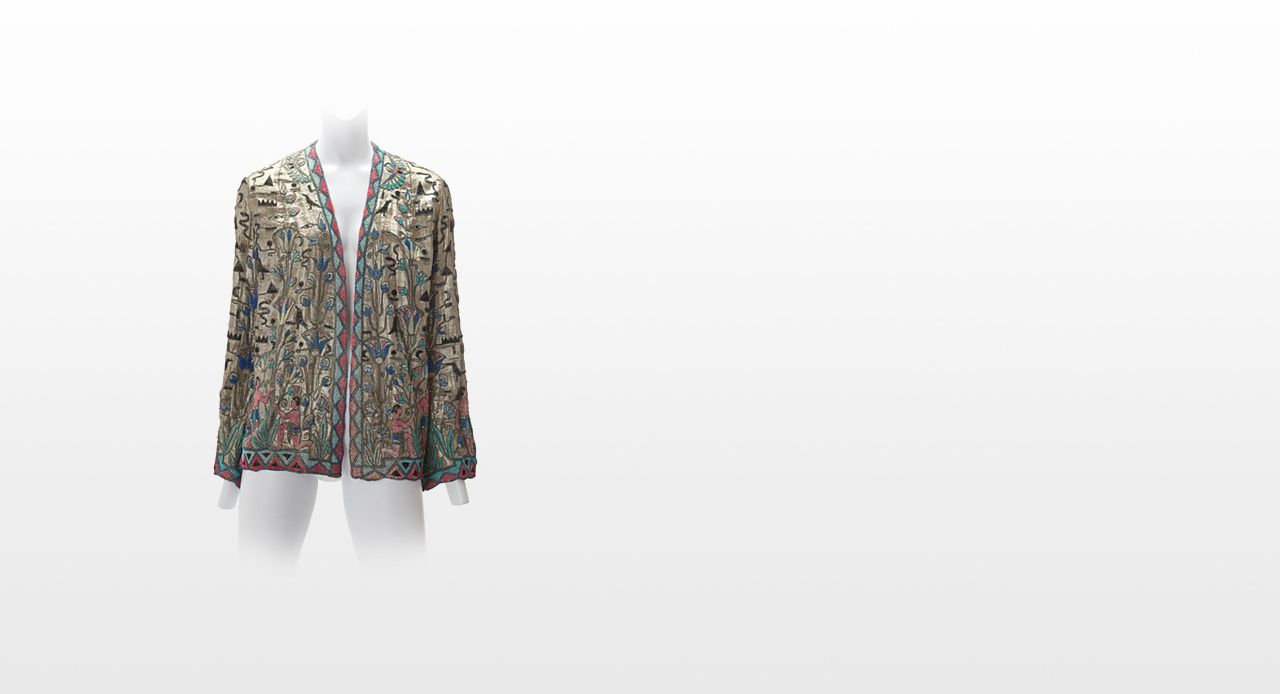
New York Vintage Inc stands as a preeminent archival fashion institution in Manhattan’s Chelsea neighborhood, representing the pinnacle of vintage couture curation and preservation. Established as far more than a conventional retail space, this appointment-only sanctuary at 117 West 25th Street has evolved into a living museum of fashion history, housing one of the world’s most significant private collections of designer garments, accessories, and textiles spanning the entire twentieth century. The establishment’s distinctive two-tier structure—comprising both an exclusive membership-based archive available only to industry professionals and a carefully curated retail collection—has positioned it as an essential resource for fashion’s most influential creators, stylists, historians, and collectors. This unique operational model allows New York Vintage to simultaneously preserve historical fashion artifacts of museum-quality significance while making carefully selected pieces available for acquisition by discerning collectors and fashion enthusiasts.
The archive’s incomparable collection encompasses over 100,000 authenticated pieces representing every significant design movement and couturier of the twentieth century, from rare Belle Époque gowns and 1920s Fortuny pleats to mid-century New Look Dior and revolutionary 1960s space-age designs by Courrèges and Cardin. Each acquisition undergoes rigorous authentication procedures led by founder Shannon Hoey and her team of textile historians and fashion scholars who verify provenance, designer attribution, and historical significance. This meticulous approach to documentation has established New York Vintage as the most trusted source for authenticated designer pieces in the United States, attracting institutional collectors including major museums and university fashion programs. Unlike vintage retailers that prioritize trendy eras or accessible price points, New York Vintage focuses unapologetically on historical significance, designer provenance, and pieces that represent pivotal moments in fashion evolution, creating a collection that transcends mere clothing to become a comprehensive chronicle of design history and cultural expression.
Beyond passive preservation, New York Vintage actively engages with contemporary fashion creation through its unique membership program that grants leading designers, costume directors, stylists, and fashion photographers access to the comprehensive archive for inspiration and reference. This innovative model has transformed the archive into a living design laboratory where historical garments directly influence contemporary creation, with archive pieces informing runway collections, editorial shoots, and costume designs for major film and television productions. Notable designers including Marc Jacobs, Karl Lagerfeld, and John Galliano have all utilized the archive for research, while costume designers for productions ranging from period dramas to futuristic films regularly draw from the collection to ensure historical accuracy or inform conceptual designs. Celebrity stylists rely on both the archive and retail collections for red carpet appearances and editorial shoots, with pieces from New York Vintage regularly appearing on fashion’s most prestigious global platforms from the Met Gala to international Vogue covers.
The institution’s influence extends far beyond its physical location through strategic collaborations with major cultural and educational institutions, fashion houses, and media organizations that amplify its curatorial vision and educational mission. New York Vintage regularly partners with museums including the Metropolitan Museum of Art, the Fashion Institute of Technology, and international institutions for special exhibitions that contextualize fashion within broader cultural narratives. The archive provides consultation services for academic research, fashion house heritage departments seeking to understand their own historical output, and auction houses requiring authentication expertise. Through carefully selected media collaborations, the institution shares its unparalleled collection with broader audiences while maintaining the exclusivity essential to its preservation mission. These multifaceted engagements have established New York Vintage as not merely a repository of historical garments but a dynamic cultural force that continuously recontextualizes fashion history for contemporary audiences, ensuring that the artistic and technical achievements of past design masters remain relevant and influential within ongoing creative conversations.
Collections and Specialties:
The Couture Archive represents the institution’s crowning achievement, housing museum-quality examples from every significant designer of the twentieth century, with particular depth in French, Italian, and American couture from 1900 through the 1990s. This meticulously preserved collection includes authenticated pieces from legendary houses including Chanel, Dior, Balenciaga, Schiaparelli, Yves Saint Laurent, and Givenchy, each selected for design innovation, technical virtuosity, or historical significance. The collection’s scope encompasses Gabrielle Chanel’s revolutionary 1920s liberation of the female silhouette, Christian Dior’s revolutionary New Look that redefined post-war femininity, Cristóbal Balenciaga’s architectural innovations that forever changed garment construction, and Yves Saint Laurent’s groundbreaking adaptations of menswear for the female form. Beyond these established masters, the archive maintains significant holdings of work by underrecognized design pioneers whose contributions have been historically overshadowed, including female couturiers like Madeleine Vionnet, Madame Grès, and Claire McCardell, whose technical innovations transformed garment construction and wearability. Each piece is maintained according to museum conservation standards with controlled temperature and humidity, acid-free storage materials, and handling protocols that protect delicate historical textiles while allowing for scholarly examination and creative inspiration.
The Accessories and Jewelry Collection presents an extraordinary chronicle of adornment and functional design spanning the entire twentieth century, with particular emphasis on pieces that represent technical innovation, stylistic evolution, or significant designer collaborations. The handbag collection traces the development of the modern accessory from early Edwardian reticules through mid-century structured top-handles to experimental 1960s forms and status-defining designer It-bags of the 1980s and 1990s. Footwear holdings encompass everything from 1920s hand-beaded evening slippers and 1940s platform wedges to revolutionary 1960s go-go boots and avant-garde designer collaborations from the 1990s. The jewelry selection features pieces ranging from Art Nouveau masterworks characterized by organic forms and mixed materials to geometric Art Deco statements, mid-century modernist designs emphasizing form over intrinsic value, and boundary-pushing conceptual pieces from the late century. Particularly notable are the extensive holdings of designer runway jewelry including dramatic Yves Saint Laurent pieces from the landmark Moroccan and Russian collections, Chanel’s revolutionary costume jewelry that redefined the category by elevating non-precious materials through design excellence, and sculptural pieces from little-known avant-garde designers whose conceptual approaches redefined bodily adornment beyond traditional decorative functions.
The Textiles and Embellishment Collection provides an unparalleled resource for designers, textile historians, and conservators seeking to understand historical fabric development, embroidery techniques, and decorative applications across fashion history. The collection encompasses everything from hand-loomed early century fabrics and revolutionary synthetic material experiments to couture-quality embroidery samples and beading work representing thousands of hours of skilled handcraft. Particularly significant holdings include Mariano Fortuny’s secret-process pleated silks that remain technically enigmatic even to modern textile experts, Elsa Schiaparelli’s collaborative textile designs with Surrealist artists, innovative mid-century synthetic material developments that transformed garment performance and accessibility, and Japanese avant-garde textiles from designers like Issey Miyake and Rei Kawakubo who fundamentally challenged Western concepts of fabric behavior and surface treatment. The archive’s documentation extends beyond the garments themselves to include original designer sketches, fabric swatches, embroidery plans, and technical notes that provide invaluable insight into the creative and production processes behind historical fashion creation. This comprehensive approach to textile history offers researchers and designers unprecedented access to technical understanding that informs both accurate historical reproduction and innovative contemporary design development.
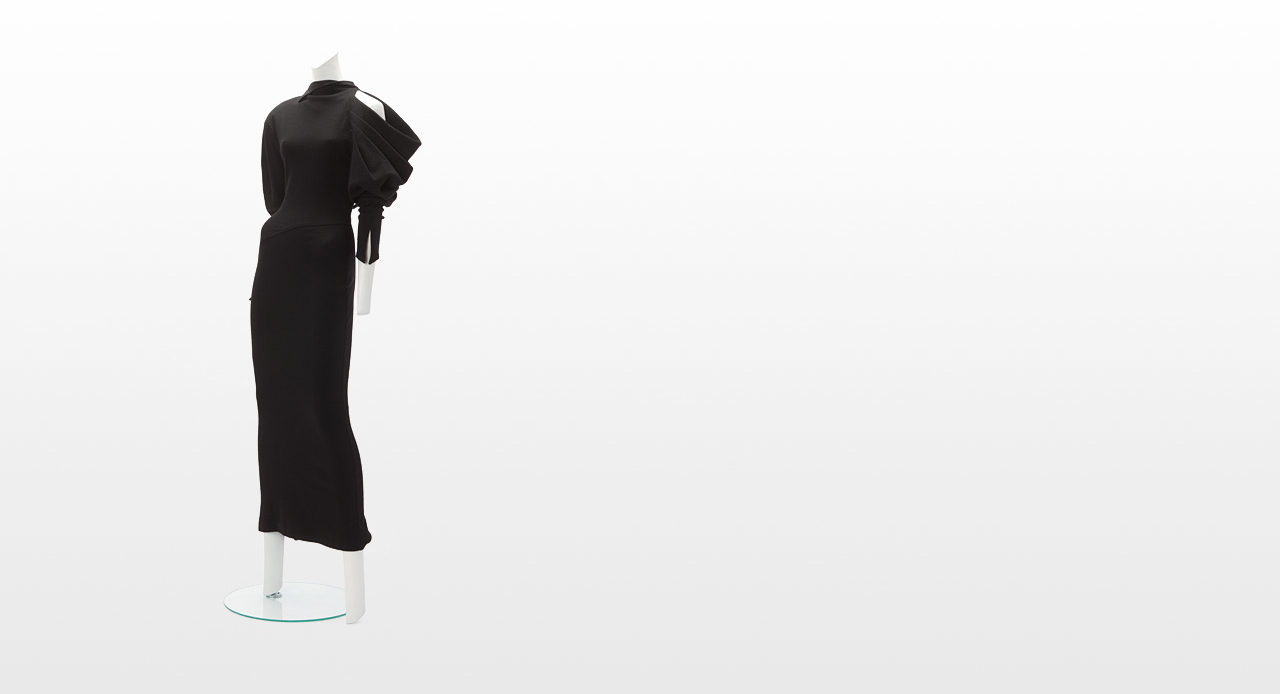
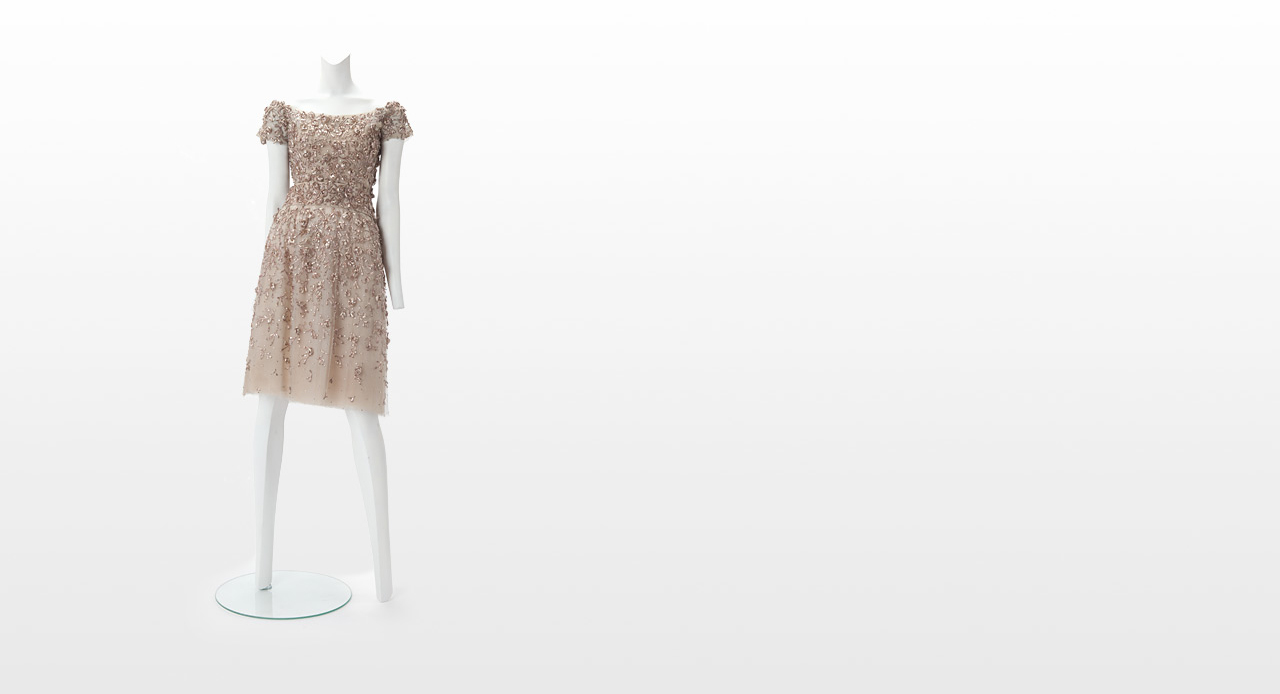
The Retail Collection presents a carefully curated selection of investment-quality vintage pieces available for purchase by private collectors, representing less than five percent of the institution’s total holdings. Each item selected for retail offering meets exacting standards for condition, design significance, and authentic representation of its era, with thorough authentication and any restoration work fully documented. Unlike the permanently archived museum-quality pieces, retail selections focus on wearable examples that can be integrated into contemporary wardrobes while maintaining historical integrity, from exceptional 1950s cocktail dresses to architectural 1980s power suits. The boutique specializes in pieces from significant design moments including Yves Saint Laurent’s revolutionary 1970s collections that redefined modern femininity, Claude Montana’s sculptural leather masterworks, Thierry Mugler’s dramatic silhouettes, and Halston’s minimalist American luxury. High-demand designer accessories maintain a strong presence, particularly investment-category handbags from heritage houses including Hermès, Chanel, and Louis Vuitton, alongside statement jewelry pieces from designers like Kenneth Jay Lane and Miriam Haskell whose work has appreciated significantly in collector markets. This retail component allows New York Vintage to continuously refine its permanent collection through strategic acquisitions funded by sales, creating a sustainable model for ongoing preservation and collection development without institutional dependency.
Special Services
The Professional Membership Program represents New York Vintage’s most distinctive offering, providing verified fashion industry professionals with unprecedented access to the institution’s comprehensive archive for research, inspiration, and creative development. This invitation-only membership operates through a rigorous application process that evaluates professional credentials, institutional affiliations, and intended usage purposes to ensure appropriate access while protecting the collection’s integrity. Approved members—including established designers, major fashion house creative directors, museum curators, editorial stylists, costume designers, and qualified academics—receive personalized access tailored to their specific projects and research needs. The membership includes digital archive browsing with advanced search capabilities organized by designer, era, silhouette, and technical elements, allowing remote preliminary research before physical appointments. In-person research sessions provide direct examination opportunities with handling privileges determined by member qualification and piece fragility, all supervised by archive specialists who offer contextual information and technical insights. This structured program balances the competing imperatives of preservation and accessibility, creating appropriate pathways for fashion professionals to engage meaningfully with historical garments while ensuring these irreplaceable artifacts remain protected for future generations of creators and scholars.
New York Vintage provides comprehensive Authentication and Appraisal Services that have established the institution as the definitive authority on designer vintage verification in the United States, with founder Shannon Hoey regularly serving as an expert consultant for major auction houses, insurance companies, estate evaluators, and legal proceedings involving disputed fashion artifacts. The authentication process employs a rigorous methodology that examines construction techniques, material composition, label evolution, hardware specifications, and historical documentation to verify designer attribution and production period. This technical analysis is complemented by the team’s encyclopedic knowledge of design history that can identify unauthorized adaptations, incorrect reconstructions, or sophisticated counterfeits that might fool less specialized evaluators. The appraisal service provides detailed valuation documentation for insurance, estate planning, donation, or sales purposes, with considerations including historical significance, designer importance, condition, rarity, and current market demand. For significant collections, the institution offers comprehensive inventory services including condition assessment, photographic documentation, and conservation recommendations, particularly valuable for estate settlements, museum donations, or major private collection management. These specialized services leverage the institution’s unparalleled expertise and reference resources to provide authoritative evaluations impossible in more generalized vintage or auction contexts.
The institution offers exclusive Rental and Loan Programs for editorial productions, entertainment industry projects, and museum exhibitions requiring authenticated historical garments for highly specialized applications. The editorial rental program serves fashion magazine stylists, photographers, and creative directors seeking statement pieces for conceptual shoots, providing carefully selected garments that can withstand professional handling while creating dramatic visual impact. The entertainment industry program supports film and television productions with both inspiration pieces for costume departments developing character wardrobes and camera-ready vintage for productions requiring authentic period garments rather than reproductions. Museum exhibition loans provide fully authenticated pieces to cultural institutions developing fashion-focused or contextual historical exhibitions, with New York Vintage specializing in filling specific collection gaps that the exhibiting institution may lack. Each rental or loan arrangement includes comprehensive condition documentation, specialized packing and transport, fitting supervision by archive staff when requested, and specific handling instructions tailored to the item’s conservation requirements. These structured programs allow creative professionals to access exceptional historical pieces while ensuring appropriate precautions protect these irreplaceable fashion artifacts during temporary deployment beyond the archive’s controlled environment.
New York Vintage provides specialized Collection Development and Management Services for private collectors, corporate archives, and institutional fashion collections seeking to build historically significant fashion holdings with expert guidance. For emerging private collectors, the service includes educational consultations that establish collecting parameters based on personal interests, budget considerations, and long-term objectives, followed by targeted acquisition recommendations that align with established collection goals. Established collectors receive market intelligence regarding significant pieces becoming available through estate sales, international auctions, or private collections being discreetly liquidated, with New York Vintage occasionally serving as an anonymous proxy bidder for clients seeking acquisition discretion. For corporate clients including fashion houses developing heritage archives of their own historical production, the service includes authentication of pieces appearing on secondary markets, evaluation of acquisition opportunities, and strategic recommendations for building representative historical collections that support brand heritage. Institutional clients including museums and university fashion programs receive specialized consultation regarding significant acquisition opportunities, gap analysis of existing collections, and strategic development plans that maximize limited acquisition budgets while building collections with genuine educational and exhibition value. This multifaceted service transforms potentially haphazard collecting activities into structured, strategic processes guided by unparalleled market knowledge and historical understanding.
Acquisition and Curation
New York Vintage employs a distinctive acquisition methodology that combines proactive source development, rigorous authentication, and strategic collection building rather than the opportunistic purchasing typical of conventional vintage retailers. The institution has cultivated exclusive relationships with estate executors handling significant fashion collections, retired fashion industry professionals divesting personal archives, and international auction houses that provide early notification of important pieces becoming available. This privileged access to premier sources enables the acquisition team to evaluate exceptional pieces before they reach public markets, securing museum-quality items that might otherwise be dispersed to various collectors. The curatorial approach prioritizes pieces with verifiable provenance including original purchase documentation, photographic evidence of designer runway appearances, editorial features in period publications, or celebrity ownership history that enhances both authentication certainty and historical significance. Rather than following cyclical trend patterns that drive conventional vintage buying, acquisition decisions reflect scholarly assessment of each piece’s importance within design history, technical innovation, or cultural impact, creating a collection that transcends fashion’s commercial cycles to document genuine historical significance across different periods.
The institution maintains exceptional expertise in identifying undervalued or misattributed pieces that represent significant historical importance despite lacking current market recognition. This specialized knowledge allows the acquisition team to secure important artifacts overlooked by less knowledgeable buyers focused primarily on currently trending designers or immediately recognizable status pieces. The team demonstrates particular acuity in recognizing unsigned pieces by major designers, prototypes that never reached production, experimental collection pieces too avant-garde for commercial success in their era, and work by historically significant designers whose market recognition has temporarily declined despite their importance in fashion evolution. This forward-looking acquisition strategy has allowed New York Vintage to build comprehensive holdings of designers like Schiaparelli, Ossie Clark, and Stephen Burrows long before market recognition drove prices to current premium levels, demonstrating the institution’s commitment to historical significance over immediate commercial value. This approach not only secures important pieces at favorable valuations but helps preserve comprehensive design history that might otherwise be lost through market-driven selectivity that preserves only commercially successful or immediately recognizable pieces rather than the full spectrum of design innovation.
New York Vintage’s authentication processes represent the industry gold standard, employing multilayered technical analysis that extends far beyond the label verification that characterizes most vintage authentication. The institution maintains a comprehensive physical reference library including designer retrospectives, period fashion publications, original house lookbooks, and technical manufacturing documentation that allows comparison of questioned pieces against verified examples. Authentication examines construction techniques including specific stitch patterns, seam finishing methods, and internal structure elements that evolved across different design houses and production periods, often revealing inconsistencies invisible to less specialized examiners. Material analysis considers appropriate fabric compositions, distinctive textile treatments, and hardware specifications down to zipper manufacturer markings and button compositions that changed across different production periods. This technical assessment is complemented by the team’s encyclopedic knowledge of design evolution that can identify incorrect stylistic elements, anachronistic details, or proportional inconsistencies that betray reproduction pieces or unauthorized adaptations. For exceptionally important or questioned pieces, the institution employs advanced techniques including microscopic fiber analysis, ultraviolet examination of repair evidence, and specialized photographic documentation that reveals alterations indiscernible to visual inspection.
The institution’s preservation and documentation practices reflect museum-quality conservation standards adapted for working collections that balance preservation imperatives with controlled access requirements. Upon acquisition, each piece undergoes comprehensive condition assessment documenting existing wear, previous repairs, structural vulnerabilities, and any conservation needs before entering the collection. Photographic documentation captures construction details, label information, hardware elements, and any distinctive features that establish authentication evidence while creating a permanent record of the piece’s condition at acquisition. Conservation interventions follow strict protocols that prioritize reversible methods, period-appropriate techniques, and minimal intervention principles that preserve historical integrity while stabilizing condition issues. The storage facility maintains precisely controlled temperature, humidity, and light exposure while employing acid-free materials, padded hangers appropriate to each garment’s structure, and protective coverings that prevent dust accumulation or transfer between pieces. This systematic approach to preservation ensures that each acquisition maintains its historical integrity and material stability while remaining accessible for appropriate scholarly examination and creative inspiration, fulfilling the institution’s dual mission of preservation and educational access that distinguishes it from both conventional retail operations and closed institutional archives.
Cultural Impact
New York Vintage has established itself as a pivotal force in contemporary fashion creation by providing direct historical inspiration that influences major designers and fashion houses developing new collections. The archive serves as an essential research resource where creative directors and design teams examine historical construction techniques, silhouette development, and decorative approaches that inform their contemporary interpretations. This influence manifests across the fashion spectrum, from heritage houses seeking to reinterpret their own historical codes with greater authenticity to emerging designers studying technical solutions from fashion history that can be applied to current design challenges. The institution’s impact is particularly evident in the cyclical revival of specific design periods, with New York Vintage often serving as the primary reference source for designers exploring moments like 1940s structured shoulders, 1970s bohemian fluidity, or 1990s minimalism. Beyond direct reference, the archive provides broader contextual understanding of silhouette evolution, proportion development, and technical innovation that elevates contemporary design beyond superficial historical quotation to more sophisticated reinterpretation. This ongoing dialogue between historical artifacts and contemporary creation demonstrates the institution’s vital role in maintaining continuity within fashion’s evolutionary narrative, ensuring that technical knowledge and design wisdom accumulated across generations continues to inform and elevate current fashion expression.
The institution’s influence extends prominently to entertainment media through close collaborative relationships with costume designers developing character wardrobes for period films, television productions, and theatrical presentations. New York Vintage provides both direct clothing loans for on-camera use and extensive reference access that informs reproduction designs when original pieces are too fragile or dimensionally inappropriate for performance requirements. The archive’s comprehensive holdings across different price points, style categories, and historical periods allow costume designers to examine not only high-fashion examples but the full spectrum of period dress that informs authentic character development. This resource has proven invaluable for productions ranging from precisely documented historical dramas to stylized interpretations where period elements require creative adaptation while maintaining historical references. Beyond period productions, the institution regularly provides avant-garde runway pieces for contemporary fashion-focused productions and forward-looking science fiction projects drawing on conceptual design for futuristic costume development. These collaborative relationships have positioned New York Vintage pieces in numerous Academy Award-winning productions, celebrated television series, and Broadway presentations, extending the collection’s cultural impact far beyond fashion industry circles to broader public engagement with historical dress through entertainment media.
New York Vintage plays a crucial educational role through strategic partnerships with academic institutions that provide fashion design students and scholarly researchers access to historical garments essential for technical understanding and contextual knowledge development. The institution regularly hosts structured educational visits from major fashion schools including Parsons School of Design, Fashion Institute of Technology, and Pratt Institute, where students examining construction techniques, material applications, and design evolution directly inform their developing technical skills and creative approaches. For advanced scholarly research, the archive provides supervised access to specific collection areas supporting thesis development, curatorial research, and specialized publication projects that depend on direct examination of historical garments rather than photographic documentation alone. These educational collaborations extend to international visiting scholars, museum curatorial teams developing exhibitions, and technical researchers studying specific construction methods or material applications that can only be properly understood through direct examination of historical examples. By making carefully supervised access available to qualified educational users, New York Vintage ensures that specialized knowledge embedded in historical garments remains accessible for future generations of designers, makers, and scholars rather than becoming isolated in closed institutional collections or dispersed through private ownership without documentation.
The institution has significantly influenced contemporary vintage collecting culture by establishing uncompromising standards for authentication, condition assessment, and fair valuation that have elevated the broader market beyond its previous reputation for inconsistent practices. New York Vintage’s emphasis on documented provenance, technical authentication, and transparent condition reporting has established new expectations among sophisticated collectors who now demand similar standards from other market participants. Through educational initiatives including authentication workshops, market valuation seminars, and collector guidance publications, the institution has shared specialized knowledge that helps collectors develop more informed approaches to building historically significant collections rather than pursuing trendy acquisitions with limited long-term value. This educational impact extends to emerging vintage dealers who study New York Vintage’s presentation standards, description protocols, and ethical business practices as the industry benchmark for professional development. By consistently demonstrating that vintage fashion can be approached with the same scholarly rigor and ethical standards applied to other collecting categories like fine art or important historical artifacts, New York Vintage has played a transformative role in elevating vintage fashion from its previous perception as used clothing to its current recognition as a significant cultural collecting category worthy of serious scholarly attention, market respect, and preservation consideration.
Access Information
New York Vintage’s physical location at 117 West 25th Street in Manhattan’s Chelsea district operates as an appointment-only establishment catering to qualified professional clients and serious collectors rather than casual retail shoppers. The curated retail collection is accessible by scheduled appointment during operating hours, which extend from Monday through Friday from 12:00 PM to 6:00 PM, with Thursday offering extended morning hours beginning at 9:00 AM to accommodate styling professionals preparing for weekend editorial shoots. Weekend hours run from 12:00 PM to 5:00 PM on both Saturday and Sunday, providing access for clients with weekday professional commitments. The appointment requirement allows staff to prepare appropriate selections based on client interests, ensures adequate specialist attention for each visitor, and maintains the controlled environment necessary for preserving delicate historical garments. While this structured access differs from conventional retail operations, it creates a superior experience for qualified clients seeking focused attention and expert guidance rather than recreational browsing. Appointments can be scheduled through direct contact with the establishment by telephone at (212) 647-1107, with initial appointments typically requiring a brief consultation regarding specific interests and needs to ensure appropriate preparation.
The