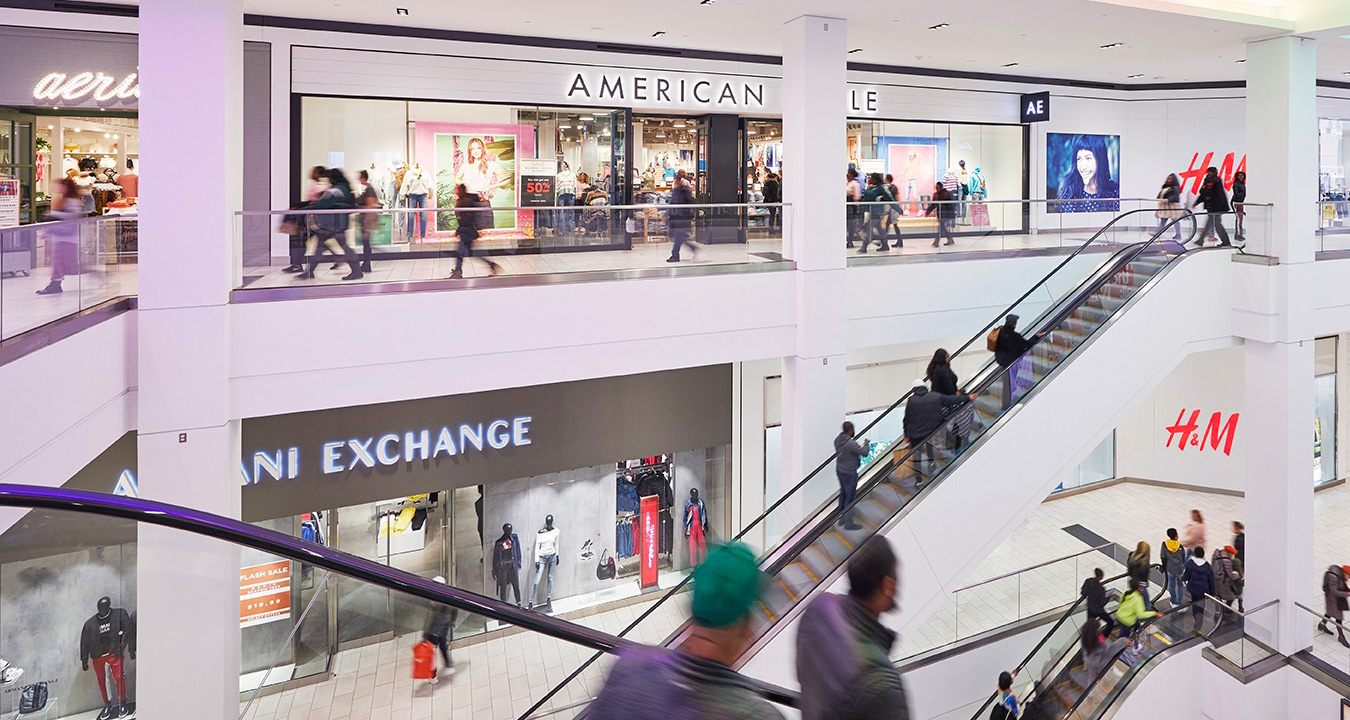
About the Mall
Fashion District Philadelphia represents an ambitious urban retail destination that has redefined the shopping landscape in Center City Philadelphia. Spanning an impressive three city blocks in the heart of downtown, this expansive 850,000-square-foot development serves as a premier shopping, dining, and entertainment complex designed to meet the diverse needs of city residents, suburban visitors, and tourists alike. The District’s strategic location makes it easily accessible via public transportation and connects seamlessly with Philadelphia’s historic and cultural attractions, positioning it as both a shopping destination and an integral component of the city’s vibrant downtown experience. With its tagline “Defining the future of retail,” Fashion District Philadelphia demonstrates a forward-thinking approach to urban commercial spaces that balances traditional retail with experiential offerings.
What distinguishes Fashion District Philadelphia in the competitive retail landscape is its carefully curated mix of 80 brands that combine popular national retailers with unique shopping experiences. The development is anchored by Primark, the Irish fast-fashion giant known for trendy, affordable apparel, and features other top-performing retailers including Nike, H&M, Sephora, and Ulta Beauty. This strategic tenant mix balances mainstream appeal with the drawing power of destination retailers, creating multiple reasons for diverse shoppers to visit. The “flagship brands” and “designer outlets” positioning indicates a multi-tier approach to fashion retail that addresses various price points and shopping preferences, making the destination accessible to a broad customer base while still offering the premium experiences expected in a major urban shopping center. This thoughtful merchandising strategy reflects contemporary retail best practices that emphasize diverse shopping options within unified, convenient environments.
Beyond its impressive collection of retail offerings, Fashion District Philadelphia appears designed as a comprehensive urban destination that encourages extended visits and repeated engagement. The invitation to “Enjoy a tasty snack or complete meal” highlights their food and beverage options that complement the shopping experience, while their promotion of an events calendar suggests ongoing programming that creates additional reasons for visits beyond traditional shopping. Their message that “There’s So Much To Discover” encapsulates their positioning as more than merely a collection of stores but rather an exploratory urban experience where shopping serves as the foundation for a broader engagement with the city. This comprehensive approach to retail development recognizes the changing nature of consumer expectations, where physical retail spaces must offer compelling experiences that cannot be replicated through e-commerce, creating distinctive environments that reward in-person visits with memorable experiences beyond transactions.
Retailers and Services:
Fashion District Philadelphia houses a diverse array of retail options strategically organized to create a comprehensive shopping destination that serves various consumer needs and preferences. The fashion offerings form the core of the complex, with anchor tenant Primark providing trend-conscious apparel at accessible price points across men’s, women’s, and children’s categories, complemented by their home goods and accessories selections. Currently, Primark is highlighting their Rita Ora SS25 collection, demonstrating their strategy of leveraging celebrity collaborations to generate excitement and drive store visits. Additional fashion anchors include H&M, offering contemporary fashion at moderate prices with frequent collection updates, and Nike, providing athletic footwear, apparel, and equipment with the experiential elements characteristic of their flagship locations. The beauty category receives significant attention through the presence of both Sephora and Ulta Beauty, two of the industry’s dominant specialty retailers that bring comprehensive cosmetics, skincare, fragrance, and personal care selections to the District. Hollister Co. represents the teen and young adult demographic with their California-inspired casual wear, currently promoting their Beach Days Ahead collection curated with influencer Spencer Barbosa to capitalize on spring break and upcoming summer shopping. Beyond these highlighted retailers, the District’s 80 brands likely include additional apparel retailers spanning various price points and style orientations, footwear specialists, accessory boutiques, and specialty retailers addressing niche categories or specific demographic segments. The “designer outlets” reference suggests the presence of off-price or outlet formats of premium brands, providing value-oriented options within the overall merchandising mix. Complementing these retail offerings, the District incorporates dining options ranging from quick-service eateries suitable for refueling during shopping trips to more substantial restaurants that become destinations in themselves. Entertainment venues and experiential retailers likely round out the tenant mix, creating additional reasons for visits beyond traditional shopping. Service providers, potentially including salons, spas, alterations, and technical services, complete the comprehensive offering by addressing practical consumer needs alongside wants. Throughout the complex, common areas, rest zones, and amenities such as information desks, family facilities, and digital tools enhance the visitor experience, creating a cohesive environment that facilitates exploration of the District’s diverse offerings while maintaining comfort and convenience throughout extended visits.
Location and Accessibility
Fashion District Philadelphia enjoys a prime location “in the heart of Center City Philadelphia,” occupying three contiguous city blocks that create a significant retail presence within the downtown urban fabric. The complex’s address at 901 Market Street places it along one of Philadelphia’s primary commercial corridors, in close proximity to historic attractions like Independence Hall and the Liberty Bell, cultural institutions, government buildings, and major office complexes. This central positioning allows the District to serve multiple customer segments simultaneously—downtown workers seeking lunchtime or after-work shopping opportunities, city residents incorporating retail visits into their daily routines, suburban visitors making dedicated shopping trips, and tourists exploring Philadelphia’s attractions. The development’s urban integration represents a significant investment in center city retail at a time when many retail developments focus on suburban locations, demonstrating confidence in Philadelphia’s downtown vitality and the continuing relevance of urban shopping environments.
Rather than functioning as an isolated retail environment, Fashion District Philadelphia appears designed for seamless integration with the surrounding urban context. The three-block footprint likely includes multiple access points and through-ways that maintain the traditional street grid while creating interior circulation paths protected from weather. This design approach balances the controlled environment advantages of traditional malls with the authentic urban experience of city shopping, allowing the development to feel like a natural extension of downtown rather than a separate retail island. The complex probably incorporates varied architectural elements that respond to neighboring buildings and street patterns, creating contextual designs that complement Philadelphia’s historic character while introducing contemporary retail functionality. Street-level transparency likely activates sidewalks with window displays and exterior-facing retailers, while upper levels house additional shopping areas accessed via prominent vertical circulation. This urban integration extends beyond physical design to programmatic elements, with the District’s operating hours (extended on Fridays and Saturdays, reduced on Sundays) reflecting urban usage patterns and complementing the rhythms of downtown activity throughout the week. By embracing its urban context rather than creating a disconnected shopping environment, Fashion District Philadelphia positions itself as an integral component of Center City’s revitalization and ongoing evolution.
Shopping Experience
Fashion District Philadelphia creates a distinctive shopping environment that balances contemporary retail design with functional considerations that enhance visitor comfort and convenience. The expansive 850,000 square feet of space likely features varied architectural elements, including multi-story atriums, dramatic lighting effects, and design moments that create visual interest throughout the complex. Common areas probably incorporate comfortable seating zones, landscaping elements, and thoughtful amenities that encourage shoppers to linger and explore the full development rather than making targeted visits to specific stores. The District’s layout likely follows contemporary best practices for retail circulation, with intuitive wayfinding, strategic tenant placement that creates natural traffic patterns, and appropriate adjacencies between complementary retailers. Digital integration appears throughout the experience, from the promotion of their newsletter for “a smart & stylish inbox” to probable in-mall digital directories, Wi-Fi access, and technology-enhanced customer service touchpoints. Seasonal décor and rotating visual elements, suggested by their current “Now Arriving: Spring Styles” messaging, keep the environment fresh and engaging for repeat visitors while creating Instagram-worthy moments that encourage social sharing and organic promotion.
Fashion District Philadelphia emphasizes their commitment to visitor satisfaction through their statement “We Have Services to Make Your Visit Easier” and assurance that “We’re Here to Help.” While specific service offerings aren’t detailed in the available information, these likely include standard shopping center amenities such as information desks, concierge services, package carrying assistance, and lost and found facilities. Family-friendly accommodations probably include family restrooms, nursing facilities, and stroller availability to make the complex accessible for shoppers with children. The mall’s downtown location might necessitate specialized services not typically found in suburban centers, such as tourism information, local transportation assistance, or coordination with nearby hotels and attractions. The invitation to “Learn More” about their services suggests these offerings are substantial enough to warrant dedicated explanation, indicating a thoughtful approach to customer needs throughout the shopping journey. These service elements complement the retail and dining offerings to create a comprehensive visitor experience that anticipates potential friction points and provides solutions before they impact satisfaction.
Beyond traditional shopping, Fashion District Philadelphia appears to maintain an active calendar of events that create additional reasons for visits and enhance the overall destination appeal. Their invitation to “Check out our upcoming calendar” indicates regular programming that might include fashion shows, product demonstrations, celebrity appearances, seasonal celebrations, or community-focused activities. Current promotional content highlights specific retailer events, including Hollister Co.’s Beach Days Ahead collection featuring influencer Spencer Barbosa and Primark’s Rita Ora SS25 collection launch, demonstrating how brand-specific programming creates urgency and excitement within the overall retail experience. The complex likely hosts seasonal activations around major holidays, back-to-school periods, and other key shopping moments, creating festive environments that enhance the emotional connection to the shopping experience. Community-focused programming might include partnerships with local organizations, cultural celebrations reflecting Philadelphia’s diverse population, or charitable initiatives that demonstrate the District’s commitment to its urban context. This layered approach to programming recognizes that contemporary retail environments must offer experiences beyond transactions to remain relevant and compelling in an era of e-commerce convenience, creating memorable moments that cannot be replicated through online shopping.
Dining and Entertainment Options
Fashion District Philadelphia acknowledges the essential role of dining within the contemporary shopping experience through their invitation to “Enjoy a tasty snack or complete meal” and dedicated “Food + Drink” section. The complex likely offers a strategically varied food and beverage program that serves multiple functions throughout the shopping journey. Quick-service options probably include a food court or collection of fast-casual restaurants providing efficient dining opportunities for shoppers seeking minimal interruption to their retail activities. These locations likely feature a diverse selection of cuisines reflecting Philadelphia’s multicultural character while accommodating various dietary preferences and price points. For those seeking more substantial dining experiences, the District probably includes sit-down restaurants ranging from casual family-friendly establishments to more upscale options suitable for special occasions or business meals. Some dining venues likely feature distinctive environments, outdoor seating where architecture permits, or unique concepts that become destinations in themselves rather than merely shopping support services. Specialty food retailers such as confectioneries, bakeries, or gourmet shops might complement traditional restaurants by offering portable treats and gifts. Beverage-focused concepts likely include coffee shops providing morning activation and afternoon refreshment, and possibly bars or lounges that extend the District’s activity into evening hours beyond traditional retail closing times.
While not explicitly highlighted in the available information, the “Defining the future of retail” positioning suggests Fashion District Philadelphia likely incorporates entertainment elements that enhance its destination appeal and extend visitor dwell time. Contemporary urban retail centers often include movie theaters, bowling facilities, gaming venues, or fitness concepts that provide experiential offerings complementing traditional shopping. These entertainment anchors create additional visit motivation and help the development remain active during non-peak shopping periods. Experiential retailers that blur the line between shopping and entertainment—such as interactive brand showcases, tech-forward concept stores, or participatory retail formats—might feature prominently in the tenant mix, reflecting the evolution toward experience-focused physical retail. Family entertainment options like children’s play areas or activity centers would support the District’s appeal to shopping parties with younger members, creating enjoyable experiences for all visitors regardless of shopping interest. Special entertainment programming, whether recurring or seasonal, likely animates common areas and creates unexpected moments of discovery throughout the complex, from musical performances to interactive art installations or technology showcases.
Fashion District Philadelphia appears to take a holistic approach to integrating dining and entertainment with traditional retail, recognizing that contemporary consumers seek comprehensive experiences rather than siloed shopping, dining, or entertainment visits. The placement of these non-retail elements likely follows strategic planning that creates natural crossover between shopping and other activities, with restaurants positioned to capture pre- or post-shopping meals and entertainment venues located to encourage exploration of retail areas. Operating hours probably reflect this integrated approach, with some dining and entertainment options maintaining later hours than traditional retailers to extend the District’s overall activation period throughout the day and evening. Cross-promotional opportunities between retail, dining, and entertainment likely include special offers, package experiences, or loyalty programs that encourage visitors to engage with multiple aspects of the development during single visits or return trips. This comprehensive approach to planning recognizes that the future of physical retail depends on creating compelling destinations that satisfy multiple consumer needs simultaneously, providing experiences that cannot be replicated through e-commerce and giving visitors varied reasons to choose in-person shopping over online alternatives.
Retail Innovation and Future Focus
Fashion District Philadelphia’s self-description as “Defining the future of retail” signals a forward-thinking approach that positions the development at the forefront of evolving retail trends and consumer expectations. This aspirational statement suggests the complex incorporates innovative design elements, technology integration, and merchandising strategies that anticipate rather than merely respond to changes in shopping behavior. The development appears conceived as a laboratory for next-generation retail concepts, potentially including flexible spaces that accommodate pop-up stores, brand activations, or emerging retail formats that require physical presence but not permanent long-term leases. This future-focused positioning acknowledges the rapidly changing retail landscape where traditional assumptions about physical stores are continuously challenged by e-commerce growth, changing consumer preferences, and technological advances. Rather than presenting the development as merely a collection of current retailers, this forward-looking messaging frames Fashion District Philadelphia as an evolving platform that will continue to reflect retail innovation throughout its lifespan, creating expectations for ongoing renewal and adaptation rather than static offerings.
The complex’s contemporary development timeline likely ensures comprehensive digital integration throughout the physical environment, creating seamless connections between online and offline shopping experiences. This digital layer probably includes property-wide Wi-Fi access, integrated mobile applications providing wayfinding and promotional information, digital directories, and interactive kiosks enhancing the visitor experience with technology-enabled services. Individual retailers likely showcase their own digital innovations, from virtual try-on experiences and smart fitting rooms to seamless order fulfillment options like buy-online-pickup-in-store services. The promotion of their email newsletter subscription offering “a smart & stylish inbox” demonstrates awareness of digital communication channels that extend relationships beyond physical visits. Social media integration likely appears throughout the environment, with designated photo opportunities, hashtag promotions, and design moments created specifically for sharing across platforms. This comprehensive approach to technology integration recognizes that contemporary consumers move fluidly between digital and physical shopping environments, expecting consistent experiences and information across all channels rather than treating in-person shopping as a completely separate activity from online engagement.
Fashion District Philadelphia’s substantial footprint and diverse tenant mix positions it to adapt to continued retail evolution through flexible design and responsive merchandising strategies. The 850,000-square-foot development likely incorporates varied space configurations that can accommodate retailers of different sizes and operating models, from traditional inline stores to interactive showrooms or service-focused concepts with minimal inventory. This adaptability allows the property to evolve its tenant mix over time as consumer preferences change and new retail concepts emerge. The balance of established anchors like Primark, Nike, H&M, Sephora, and Ulta Beauty with presumed spaces for emerging brands creates a merchandising ecosystem that combines proven traffic generators with fresh discoveries that reward repeat visits. The incorporation of non-retail elements including dining and probable entertainment venues diversifies the development’s appeal beyond traditional shopping, creating resilience against specific retail sector fluctuations. Regular programming and seasonal activations, suggested by their promotion of an events calendar, demonstrate recognition that physical retail spaces must continually reinvent themselves with fresh experiences that create urgency and excitement. This multifaceted approach to future-proofing acknowledges that successful urban retail developments must function as dynamic platforms rather than static shopping centers, continuously evolving to remain relevant in the rapidly changing consumer landscape.
Economic and Community Impact
Fashion District Philadelphia represents a significant investment in Center City’s commercial landscape, contributing substantially to ongoing downtown revitalization efforts. The development’s three-block footprint creates a critical mass of retail activity that generates consistent foot traffic, activates street frontages, and connects existing commercial nodes within the downtown area. This major retail presence helps balance the downtown economy beyond office and institutional uses, creating a more diverse and resilient urban core with activity throughout different dayparts and seasons. The substantial square footage devoted to contemporary retail uses demonstrates confidence in Philadelphia’s urban market and helps counter the historical trend of retail migration to suburban locations. By creating a compelling shopping destination within the urban core, the District helps retain spending within city limits while attracting additional visitors from surrounding areas, generating tax revenue that supports municipal services and infrastructure. The development’s scope suggests it likely replaced underutilized or deteriorating structures with vibrant new commercial space, potentially catalyzing additional investment in surrounding properties and contributing to broader neighborhood improvement.
With 80 brands occupying 850,000 square feet, Fashion District Philadelphia creates substantial employment opportunities across various skill levels and retail sectors. The complex generates direct retail jobs within individual stores, from entry-level sales positions to management roles, visual merchandising specialists, and technical experts in categories like beauty or athletic equipment. Food and beverage outlets provide additional employment in culinary and service positions, while entertainment venues contribute further job diversity. Beyond customer-facing positions, the development creates employment in operations, security, maintenance, and administrative functions necessary for managing a complex of this scale. The property’s substantial size suggests it houses management offices that provide professional roles in marketing, leasing, finance, and property administration. The urban location makes these employment opportunities accessible via public transportation, potentially providing job access to Philadelphia residents from various neighborhoods who might face transportation barriers to suburban employment. The diversity of retailers likely creates varied employment opportunities with different scheduling patterns, skill requirements, and advancement pathways, contributing to a dynamic local job market that accommodates workers at different life stages and with varying career aspirations.
While specific community programs aren’t detailed in the available information, a development of Fashion District Philadelphia’s scale and prominence likely maintains active community engagement to strengthen its relationship with the city beyond commercial transactions. The complex probably hosts community-focused events throughout the year, potentially including charitable fundraisers, educational programming, cultural celebrations reflecting Philadelphia’s diverse population, or partnerships with local schools and nonprofit organizations. Public spaces within the development might accommodate community gatherings, performances by local artists, or showcase opportunities for regional creators and entrepreneurs. Sustainability initiatives could include energy-efficient operations, waste reduction programs, or green design elements that demonstrate environmental responsibility within the urban context. The District’s scale and visibility positions it as a potential platform for addressing community needs and aspirations beyond retail services, serving as a gathering place that strengthens social connections while providing commercial offerings. This community-minded approach recognizes that successful urban retail developments must function as good civic neighbors, contributing positively to city life beyond their primary commercial function to build lasting relationships with the communities they serve.
Marketing and Promotions
Fashion District Philadelphia employs a multi-faceted marketing approach designed to drive initial visits, encourage repeat engagement, and build lasting relationships with diverse customer segments. Their invitation to “Browse Our Latest Sales & Offers” indicates an emphasis on promotional activity that creates shopping urgency and value perception, while their specific highlighting of retailer events demonstrates cross-promotional strategy that leverages individual brand marketing to benefit the overall destination. The complex appears to maintain a regular calendar of sales events, likely including seasonal promotions, holiday shopping campaigns, and special shopping occasions like back-to-school periods or tax-free weekends where applicable. These coordinated promotional periods create momentum across multiple retailers, generating increased traffic throughout the District rather than isolated activity at individual stores. The current promotion of “Spring Styles” and specific retailer offerings—Hollister’s Beach Days Ahead collection and Primark’s Rita Ora SS25 line—demonstrates seasonal messaging that creates shopping urgency tied to wardrobe refreshment at key transition periods. This comprehensive promotional approach balances immediate transactional motivation with longer-term brand building, creating both immediate visit drivers and ongoing engagement opportunities.
The District’s digital marketing strategy appears centered around relationship-building tools that extend engagement beyond physical visits. Their email newsletter, promoted with the tagline “For a smart & stylish inbox!” and prominent signup opportunity, serves as a primary communication channel for sharing promotional information, event announcements, and brand content directly with engaged customers. This permission-based marketing approach allows for personalized communication tailored to customer interests and visit patterns, potentially including targeted offers based on previous engagement. Social media presence, while not explicitly mentioned, likely forms another core component of their digital strategy, with platforms appropriate to their target demographics showcasing new arrivals, behind-the-scenes content, influencer partnerships, and user-generated content from visitors. The specific mention of influencer Spencer Barbosa’s partnership with Hollister suggests recognition of content creators’ importance in contemporary retail marketing, particularly for younger demographics. The District’s website functions as both an information platform providing practical visit details and a marketing vehicle showcasing current offerings and upcoming events, with continuous updates reflecting seasonal merchandising shifts and promotional calendars. This integrated digital approach recognizes that the contemporary shopping journey typically begins online, with digital touchpoints influencing decision-making before, during, and after physical visits.
Beyond traditional advertising and promotions, Fashion District Philadelphia employs experiential marketing techniques that create memorable engagement opportunities extending beyond transactional relationships. Their emphasis on an events calendar indicates regular programming that transforms shopping trips into distinctive experiences, potentially including fashion shows, product demonstrations, meet-and-greets with designers or influencers, or seasonal celebrations that create festive environments throughout the complex. In-mall activations likely include interactive installations, photo opportunities, or sampling events that encourage social sharing and word-of-mouth promotion. The highlighting of celebrity-affiliated collections—such as Rita Ora’s Primark line—suggests recognition of star power in creating de




.jpg)