About the Store
EBM Vintage, formerly known as English Building Markets, has established itself as a cornerstone of New Haven’s vintage retail landscape, offering a meticulously curated collection spanning more than a century of design, fashion, and material culture. Located in the heart of downtown at 839 Chapel Street, this expansive vintage emporium has cultivated a devoted following over its fifteen-year history through its eclectic inventory and knowledgeable approach to vintage merchandising. Unlike narrowly focused antique shops or trendy resale boutiques, EBM embraces a comprehensive “department store” philosophy that celebrates artifacts from multiple eras, creating a richly layered shopping experience where mid-century modern furniture stands alongside Victorian jewelry, 1970s fashion, and Art Deco housewares. This temporal diversity distinguishes EBM as a true cultural archive where each object carries its unique historical narrative.
The store’s evolution from its original identity as English Building Markets to the current EBM Vintage with its incorporated Civvies Vintage clothing department reflects its responsive approach to the changing vintage marketplace. This strategic refinement has allowed the business to maintain its established reputation while embracing contemporary retail trends and expanding its appeal to newer generations of vintage enthusiasts. The thoughtfully executed rebrand preserved the equity of the well-known “EBM” initials while creating clearer category distinctions within the store’s diverse inventory, helping first-time visitors navigate the extensive collections more intuitively. This balance between honoring tradition and embracing innovation exemplifies the store’s broader approach to vintage—celebrating historical aesthetics while demonstrating their continued relevance and adaptability to contemporary lifestyles.
EBM distinguishes itself through a curatorial approach that prioritizes authenticity, quality, and historical significance over mass accumulation. Unlike some vintage retailers that function primarily as high-volume resellers, EBM’s inventory reflects deliberate selection processes guided by deep knowledge of design history, manufacturing techniques, and material quality across different eras. The store’s buying practices focus on genuine period pieces with distinctive character, original craftsmanship, and cultural significance rather than mass-produced reproductions or heavily altered vintage. This commitment to authenticity extends to the store’s merchandising philosophy, which arranges items in contextually appropriate groupings that highlight historical relationships and design evolution rather than strict chronological or categorical separation. This thoughtful presentation transforms shopping into an educational experience, allowing customers to develop deeper appreciation for how design aesthetics, manufacturing techniques, and cultural values have evolved across generations.
Beyond functioning as a retail establishment, EBM serves as a vital cultural institution that preserves material history and promotes sustainable consumption through object reuse and appreciation. In an era of disposable fast fashion and planned obsolescence, the store demonstrates the enduring quality and design integrity of earlier manufacturing eras when objects were created for longevity and repair rather than replacement. The business operates as an accessible museum of everyday life where visitors can physically engage with historical artifacts, learning through direct contact how different generations expressed themselves through clothing, furnished their homes, and designed their domestic objects. This hands-on historical engagement cultivates deeper understanding of material culture evolution while promoting more thoughtful contemporary consumption choices. Through this multifaceted approach that balances commercial activity with cultural preservation, EBM has established itself as both a beloved shopping destination and a significant contributor to New Haven’s cultural landscape.
Departments and Collections:
The Furniture Department showcases EBM’s comprehensive understanding of twentieth-century design movements through carefully selected pieces that illustrate the evolution of domestic furnishings from Victorian craftsmanship through Art Deco elegance, Mid-Century innovation, and late-century experimentation. The collection emphasizes authentic period pieces in good condition, with particular strength in American and Scandinavian Mid-Century Modern designs characterized by clean lines, organic forms, and functional innovation. Standout offerings include iconic designer pieces from recognizable manufacturers like Herman Miller, Knoll, and Lane alongside more accessible anonymous designs that exemplify period aesthetics. The department maintains a balanced inventory across furniture categories, featuring dining sets, lounge seating, bedroom furnishings, storage solutions, and occasional tables at various price points. Each piece undergoes careful inspection and appropriate restoration when necessary, with repairs focused on structural integrity and functional reliability while preserving original finishes, hardware, and construction details that document authentic period manufacturing techniques. This thoughtful curation creates a furniture collection that serves both serious collectors seeking specific designer pieces and casual customers looking for distinctive, quality furnishings with character and historical significance.
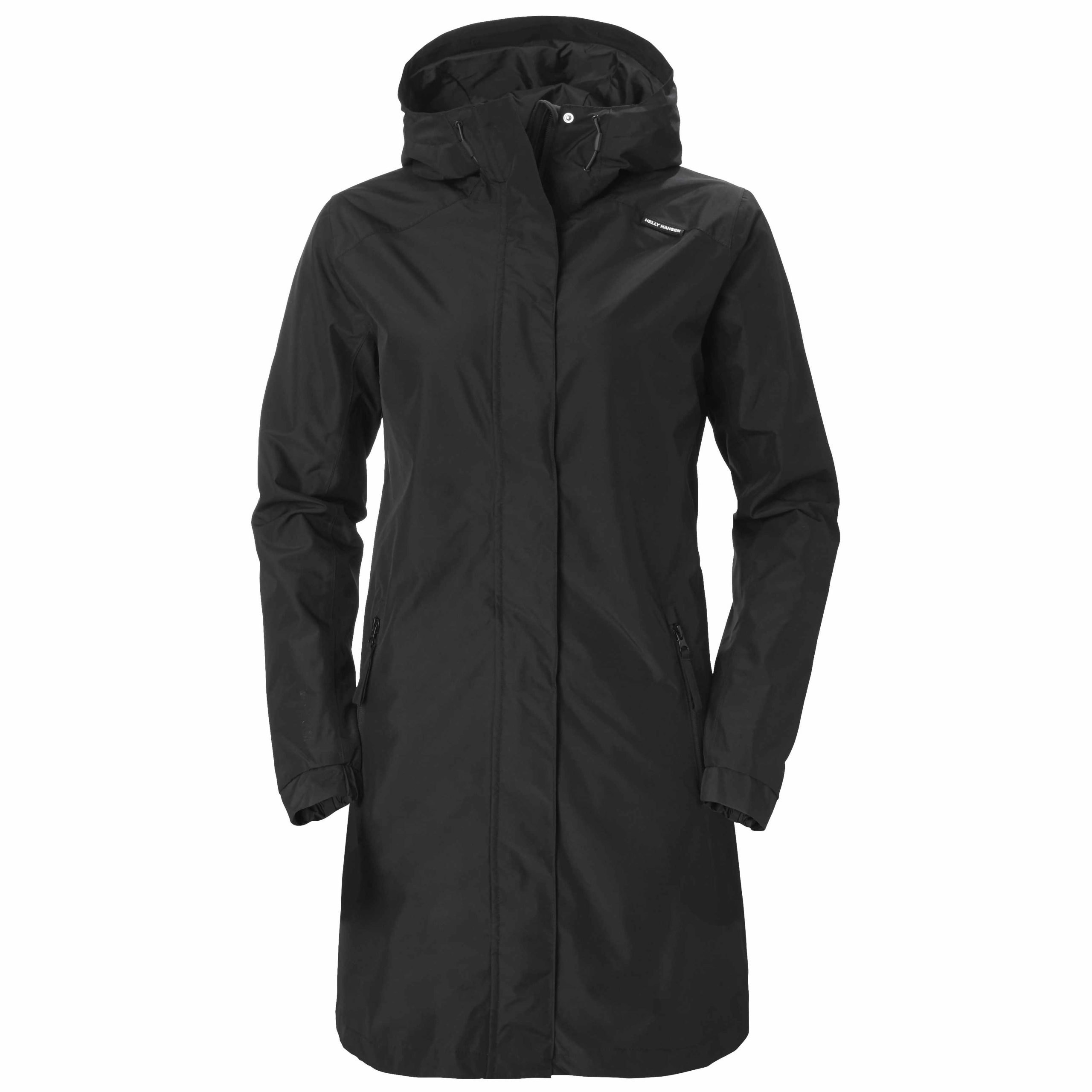
The Civvies Vintage clothing department represents one of the store’s most dynamic collections, featuring authentic garments spanning from early twentieth-century pieces through 1990s styles, all selected for their condition, design quality, and representative significance within fashion history. Unlike vintage clothing stores that focus exclusively on specific decades or aesthetic niches, Civvies embraces the full spectrum of twentieth-century fashion evolution, from delicate 1920s beaded dresses and structured 1950s suits to psychedelic 1970s prints and power-shouldered 1980s blazers. The department maintains comprehensive size diversity, rejecting the common industry practice of focusing primarily on smaller sizes, instead offering expanded options that accommodate contemporary body diversity. Garment condition receives particular attention, with each piece evaluated for structural integrity, wear patterns, and material stability before entering the sales floor. The collection is organized by both era and garment type, creating intuitive shopping sections where customers can explore either specific decades or particular categories like outerwear, dresses, or accessories. This balanced organization helps both knowledgeable vintage collectors and casual shoppers navigate the extensive inventory efficiently while discovering unexpected treasures.
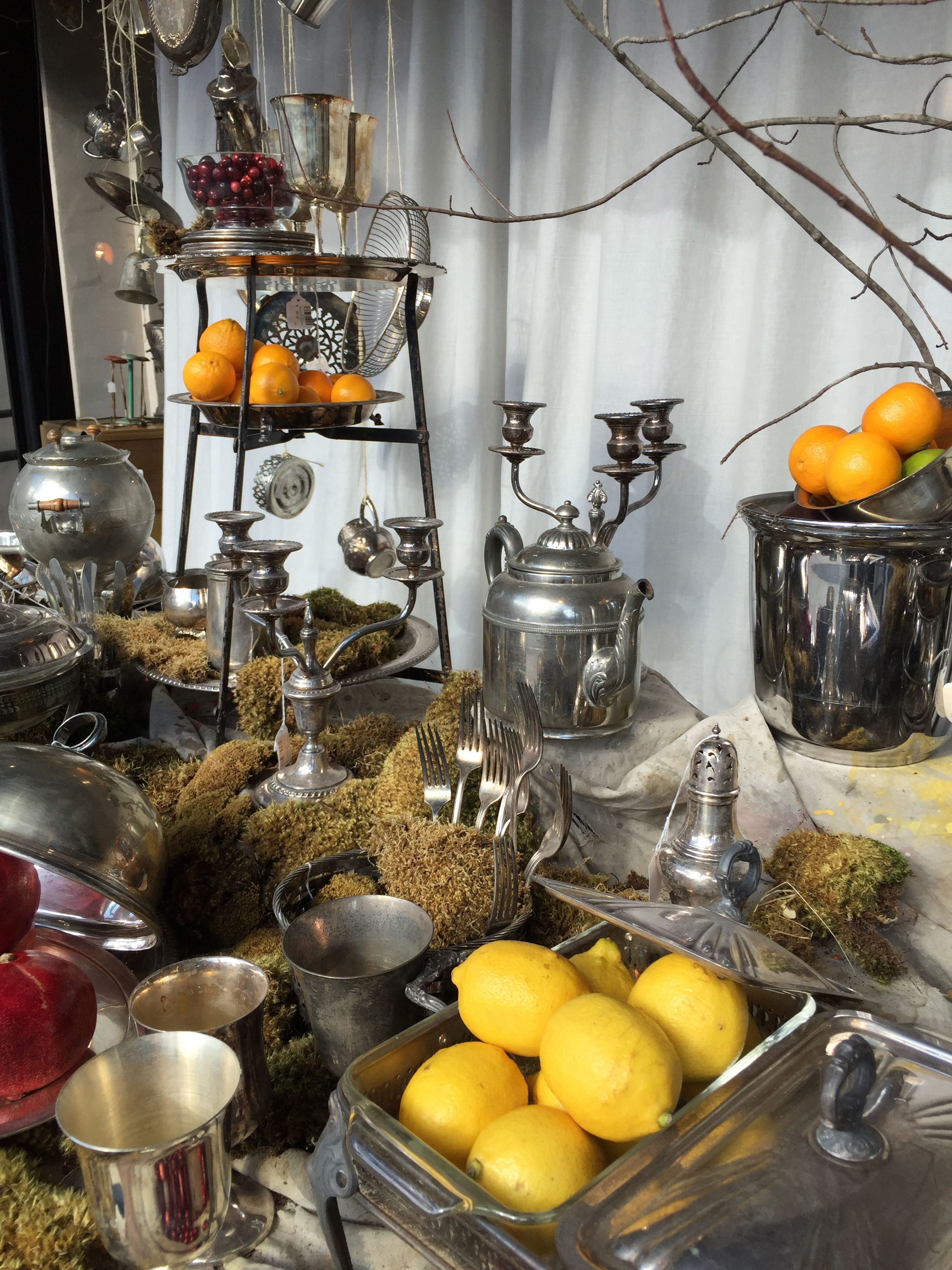
The Housewares and Kitchenware Department celebrates the rich design history of domestic objects through a diverse collection spanning utilitarian kitchen tools, decorative home accessories, and functional household items from multiple eras. The kitchenware section features both everyday cooking implements and specialized tools that document the evolution of American culinary practices, from cast iron cookware and enamelware to Pyrex baking dishes, distinctive mid-century serving pieces, and specialized gadgets reflecting changing food preparation trends. Decorative accessories include ceramic planters, art glass, figural objects, and wall decor representing significant design movements from Art Nouveau through Pop Art and Postmodernism. Textile offerings encompass tablecloths, napkins, curtains, and decorative fabrics featuring period patterns from geometric Art Deco designs to bold mid-century prints and 1970s organic motifs. Lighting fixtures range from Victorian table lamps to mid-century tension poles and 1970s pendants, fully rewired for safety while maintaining original design integrity. Each category within this expansive department demonstrates how everyday objects reflect broader design currents and cultural values of their eras, transforming utilitarian items into artifacts worthy of both use and appreciation.
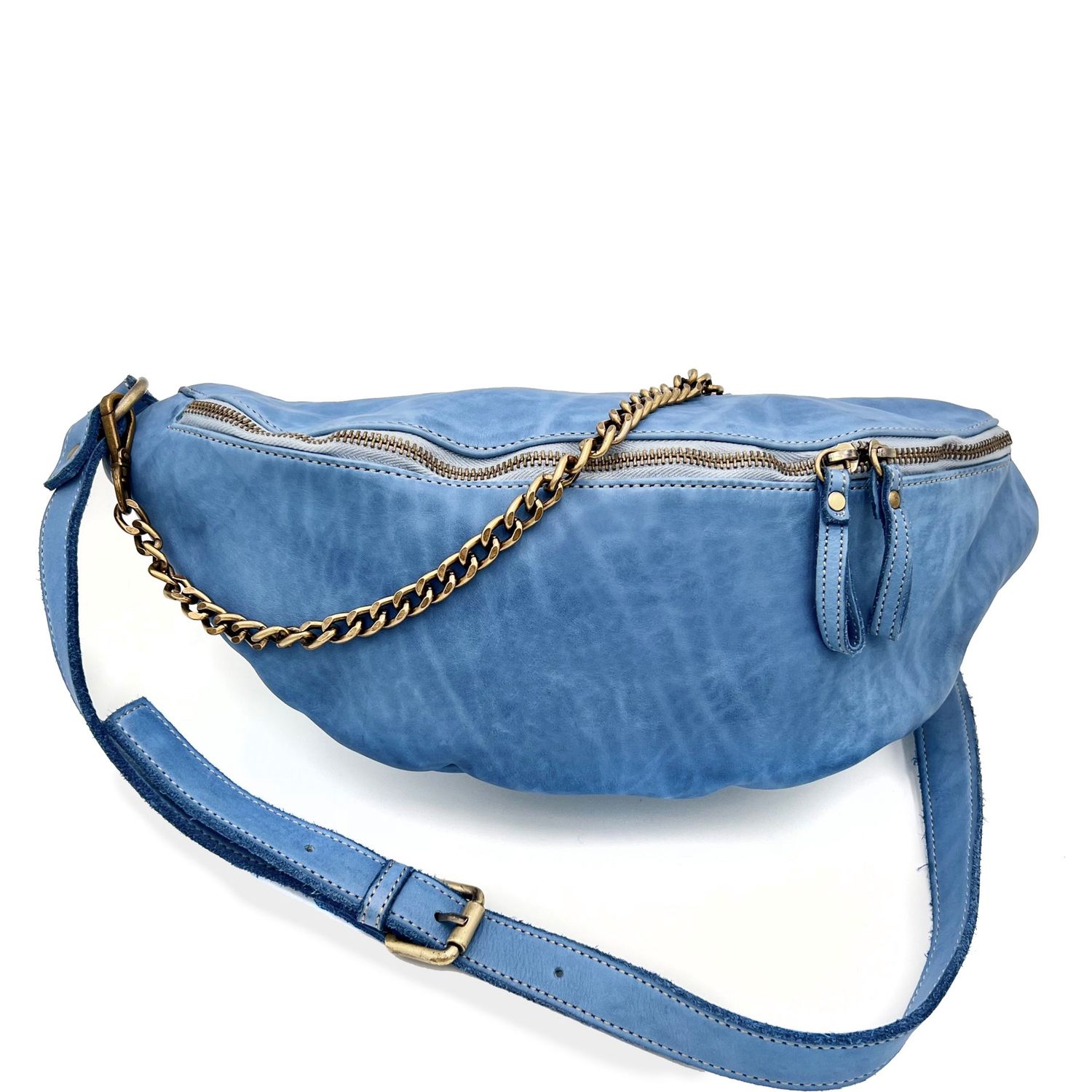
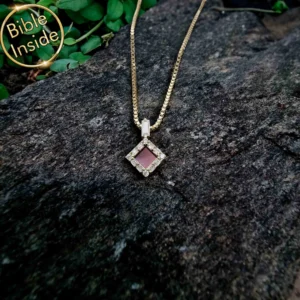
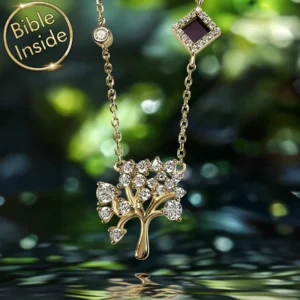
The Jewelry and Accessories Collection presents a carefully curated selection of adornments spanning from Victorian-era pieces through late twentieth-century statement jewelry, all selected for design quality, craftsmanship, and cultural significance. Unlike many vintage retailers that focus primarily on costume jewelry, EBM maintains a balanced inventory that includes fine jewelry crafted from precious metals and gemstones alongside quality costume pieces from recognizable manufacturers like Miriam Haskell, Trifari, and Weiss. The collection documents changing approaches to personal adornment across different eras, from delicate Victorian lockets and Art Deco geometric designs to bold mid-century modernist pieces and experimental 1980s statement accessories. Complementing the jewelry selection, the accessories department features distinctive handbags, wallets, belts, hats, scarves, and small leather goods that demonstrate the evolution of accessory design throughout the twentieth century. Each piece undergoes careful authentication and condition assessment, with transparent communication about materials, age, and any restoration. This comprehensive approach to adornment history allows customers to discover distinctive pieces that complement both vintage and contemporary wardrobes while connecting to specific design movements and cultural moments.
Special Services
EBM Vintage offers specialized sourcing services for discerning clients seeking specific vintage pieces, leveraging the owners’ extensive dealer networks, auction relationships, and industry connections to locate particular items beyond the current store inventory. This personalized procurement service begins with detailed consultations to establish precise parameters regarding desired items, including specific manufacturers, designers, eras, styles, dimensions, and condition requirements. The store maintains a comprehensive client wish list database that guides acquisition activities during buying trips, estate evaluations, and trade shows, allowing staff to identify matches efficiently when appropriate items become available. This service proves particularly valuable for interior designers seeking authentic period pieces for historical renovations, collectors focused on specific manufacturers or designers, and individuals replacing heirloom items with sentimental significance. The sourcing process involves regular communication about potential matches, with detailed photographs and condition reports provided for consideration before purchase commitment. This high-touch approach transforms the sometimes unpredictable vintage procurement process into a structured, client-centered experience that extends the store’s expertise beyond physical inventory to encompass the broader vintage marketplace.
The store provides comprehensive Historical Context and Authentication services that help customers understand the provenance, age, design significance, and manufacturing details of potential purchases. This educational approach distinguishes EBM from retailers focused primarily on aesthetic appeal without historical context, instead positioning each object within its appropriate cultural and manufacturing landscape. Staff members offer detailed information about designers, manufacturers, materials, and production techniques associated with specific items, helping customers distinguish between original period pieces, later reproductions, and contemporary pieces inspired by historical styles. For significant purchases, the store provides written documentation detailing known provenance, approximate age, designer attribution when applicable, and notable characteristics that authenticate the item’s historical status. This service extends to evaluation of pieces customers already own or are considering purchasing elsewhere, with staff providing honest assessments regarding age, authenticity, value, and historical significance. Through this educational approach, EBM transforms transactions into learning opportunities that deepen customer appreciation for material history while building trust through transparent communication about each item’s true nature and significance.
EBM offers specialized Interior Design Consultation services that help clients thoughtfully integrate vintage pieces into contemporary living spaces, demonstrating how historical items can enhance modern interiors through contrast, complement, or conversation. These consultations begin with understanding the client’s existing space, architectural characteristics, lifestyle needs, and aesthetic preferences before suggesting appropriate vintage elements that would enhance the environment. The service includes guidance on balancing different eras and styles to create cohesive spaces that avoid the common pitfalls of period-room recreation or disjointed eclecticism. Practical considerations receive particular attention, including scale appropriateness, functional requirements, and condition assessment to ensure vintage selections meet contemporary usage demands. For clients undertaking comprehensive design projects, the store offers on-site consultations where staff can evaluate spaces directly, taking precise measurements and assessing lighting conditions, traffic patterns, and existing furnishings to make appropriate recommendations. This specialized service transforms potentially overwhelming vintage shopping experiences into curated processes that help clients develop distinctive, personalized interiors that thoughtfully balance historical character with contemporary functionality.
The Restoration Guidance and Referral service helps customers understand appropriate approaches to preserving, cleaning, and repairing vintage items while maintaining their historical integrity and value. Rather than providing in-house restoration, EBM focuses on education and appropriate specialist referrals, helping customers avoid common mistakes that can diminish both the historical authenticity and monetary value of vintage pieces. The service includes practical advice regarding gentle cleaning methods appropriate for different materials, guidance on distinguishing between patina that should be preserved and damage requiring intervention, and recommendations for period-appropriate hardware, upholstery fabrics, or replacement parts when needed. For projects requiring professional expertise, the store maintains a carefully vetted referral network of specialized restorers, including furniture refinishers, upholsterers, jewelry repairers, ceramics restorers, and textile conservators who understand appropriate approaches to historical pieces. This educational emphasis ensures that customers develop informed perspectives on the sometimes complex ethical considerations surrounding vintage restoration, balancing preservation of historical authenticity with practical functionality for contemporary use.
Shopping Experience
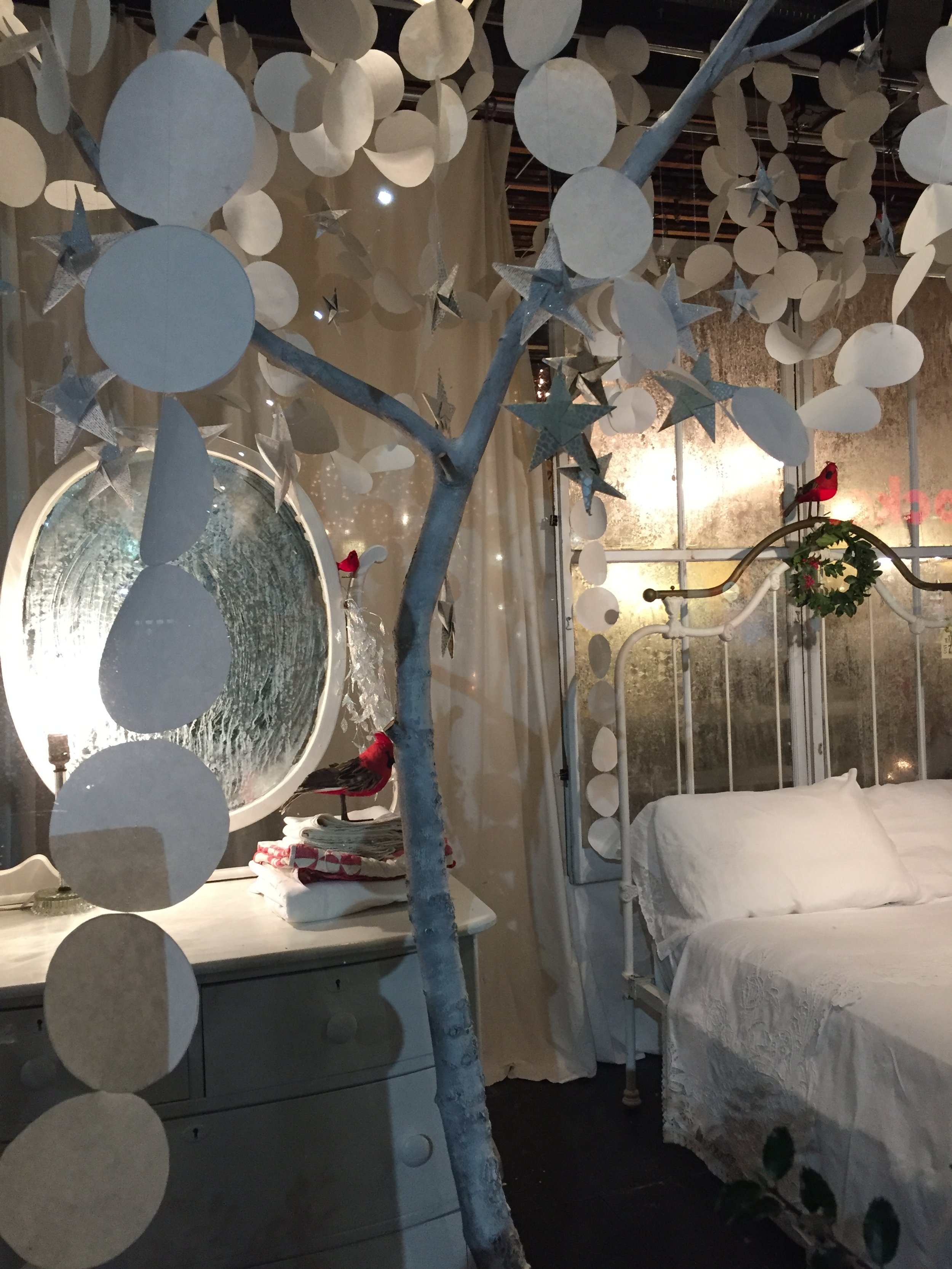
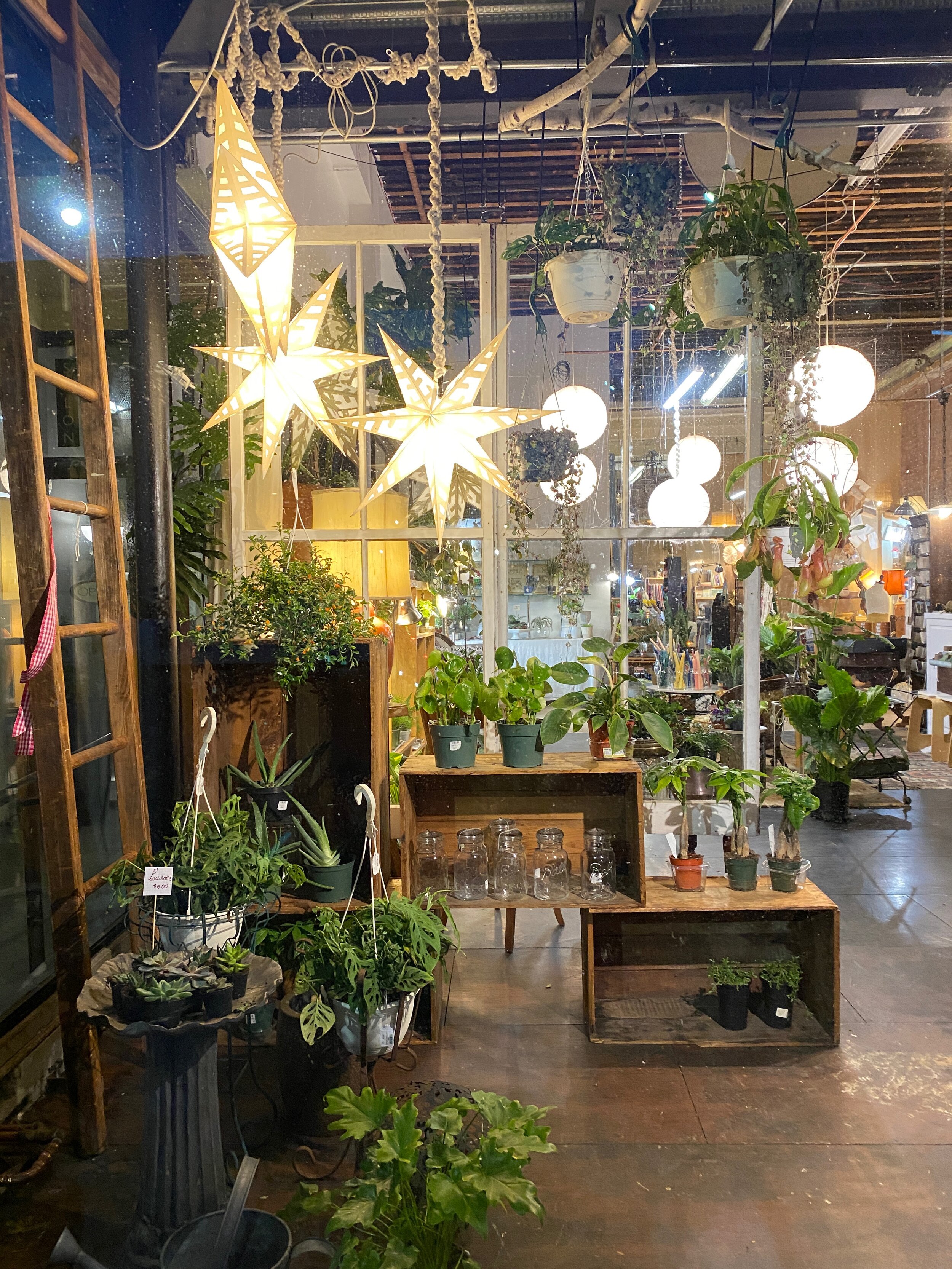
EBM Vintage creates a distinctive shopping atmosphere that balances the thrill of discovery inherent in vintage hunting with thoughtful organization that prevents the overwhelming sensation common in less curated secondhand environments. The store’s layout employs a hybrid approach that combines department-store-style category groupings with contextual vignettes showcasing how different eras and styles can harmoniously coexist. This merchandising strategy creates natural pathways through the space while encouraging serendipitous discoveries as customers move between sections. Items are displayed with sufficient space for appreciation rather than densely packed, allowing individual pieces to be properly examined and considered. The environment strikes a careful balance between organized retail presentation and cabinet-of-curiosities enchantment, with unexpected treasures thoughtfully placed to reward careful exploration. Unlike vintage shops that create artificial scarcity through limited hours or appointment-only access, EBM maintains regular, accessible operating hours five days weekly, democratizing the vintage shopping experience while still providing the personalized attention that distinguishes independent retail from mass-market alternatives.
The visitor experience is enhanced through thoughtful informational elements that transform browsing into an educational opportunity without overwhelming the shopping environment. Discreet but informative tags accompany significant pieces, providing details about era, designer attribution when known, manufacturing techniques, and historical context that might not be immediately apparent. These educational elements allow self-guided exploration while offering deeper appreciation for each item’s significance beyond its aesthetic appeal. The store occasionally features thematic displays that highlight particular design movements, manufacturers, or historical periods, creating mini-exhibitions within the retail environment that provide contextual understanding of how individual pieces relate to broader cultural movements. Staff members balance attentive availability with respect for independent exploration, recognizing that some vintage shoppers prefer uninterrupted browsing while others seek guidance and information. This balanced approach creates a welcoming environment for both knowledgeable collectors and curious newcomers, allowing each visitor to engage at their preferred depth without pressure or intimidation.
EBM distinguishes itself through a pricing philosophy that prioritizes fair value and transparency over the arbitrary or excessively premium pricing sometimes found in the vintage marketplace. Each item’s price reflects a balanced consideration of factors including age, rarity, condition, designer significance, and current market demand rather than inflated valuations based on trendy status or superficial characteristics. The store deliberately maintains diversity across price points, ensuring that both investment-level collector pieces and accessible everyday vintage are represented in each department. This approach creates multiple entry points for vintage appreciation, allowing first-time buyers to discover quality historical pieces at reasonable prices while also serving serious collectors seeking significant investment items. Pricing transparency extends to honest condition assessments and clear communication about any restoration, repairs, or replacements, ensuring customers fully understand what they’re purchasing. This ethical approach has built exceptional customer trust and loyalty, with many clients returning regularly knowing they’ll find fairly priced items that represent genuine value rather than arbitrary markups or artificial scarcity pricing common in less established vintage retailers.
The store fosters a genuine sense of community engagement that extends beyond transactional relationships to create meaningful connections between vintage enthusiasts, local residents, and the broader cultural landscape of New Haven. Regular customers span diverse demographics including Yale University students and faculty, local design professionals, theater costume departments, film production teams seeking period props, and area residents looking for distinctive home furnishings. This diverse clientele creates a dynamic social environment where knowledge sharing occurs naturally between staff and customers with different expertise areas and interests. The store occasionally hosts special events including themed collection unveilings, educational workshops on topics like vintage clothing care or furniture restoration basics, and collaborative events with local cultural institutions that strengthen community connections. Staff members develop long-term relationships with regular customers, remembering their collection interests, space constraints, and aesthetic preferences to provide personalized recommendations when appropriate items arrive. This community-centered approach transforms EBM from merely a retail establishment into a cultural gathering space where appreciation for historical material culture creates connections across different backgrounds and generations.
Sustainability and Ethical Practices
EBM Vintage embodies core principles of environmental sustainability through its fundamental business model, which extends the useful life of existing objects rather than consuming additional resources for new production. This circularity represents one of the most impactful forms of sustainability in consumer culture, as each vintage purchase directly prevents both the resource extraction required for new manufacturing and the waste creation that would result from discarding still-functional historical items. The environmental benefits extend beyond obvious resource conservation to include avoidance of chemical processes, energy consumption, and transportation impacts associated with new production. The store’s emphasis on quality and repairability further enhances these sustainability benefits, as many vintage items were created using construction techniques designed for maintenance and restoration rather than planned obsolescence. By focusing on pieces with genuine longevity that can continue their functional lives for decades with proper care, EBM promotes a fundamentally different relationship with material goods than contemporary fast-fashion and disposable-design models, demonstrating how thoughtful consumption of existing objects represents one of the most accessible and impactful forms of environmental responsibility available to individual consumers.
The business maintains environmentally conscious operational practices that extend its sustainability commitment beyond the inherent benefits of the vintage model. Packaging materials emphasize reused and recyclable options, with items wrapped in reclaimed packing materials, secondhand tissue paper, and repurposed boxes whenever possible. For larger furniture deliveries, protective coverings utilize reusable moving blankets rather than disposable plastic wrapping. The store minimizes unnecessary printing, with electronic receipts offered as the default option and minimal marketing materials produced in physical formats. Energy conservation measures include LED lighting throughout the space, programmable climate controls that reduce unnecessary heating and cooling during closed hours, and strategic use of natural illumination that enhances the shopping experience while reducing electrical consumption. These operational choices reflect a holistic understanding that sustainability extends beyond inventory selection to encompass all aspects of business practice, demonstrating how even small daily decisions can align with broader environmental values when approached with consistent intention and awareness.
EBM practices ethical sourcing that respects both the objects themselves and the complex human stories they represent. The acquisition process emphasizes estate sources, private sellers, and ethical dealer networks rather than exploitative practices that might extract items from communities without fair compensation or proper understanding of their cultural significance. When acquiring items from private individuals, the store provides fair market valuations based on genuine knowledge rather than taking advantage of seller ignorance about potential value. This approach extends to transparent communication about the store’s own pricing model and reasonable profit margins, creating trust-based relationships with sellers who often become customers themselves. The business demonstrates particular sensitivity when handling items with complex cultural histories or potential ceremonial significance, researching appropriate contexts and sometimes declining to purchase pieces that would be better preserved within their communities of origin or in appropriate cultural institutions. This thoughtful acquisition philosophy represents a deliberate counterpoint to extractive antique dealing practices that have sometimes contributed to cultural displacement, instead fostering an ethical approach to material history that acknowledges both commercial and cultural considerations.
The store promotes broader cultural sustainability through educational engagement that helps customers understand the historical, technical, and cultural significance of vintage objects beyond their decorative appeal. By sharing knowledge about manufacturing techniques, design movements, material properties, and historical context, EBM cultivates deeper appreciation for the craftsmanship and cultural significance embodied in vintage pieces. This educational dimension transforms consumption from purely aesthetic acquisition into engaged learning about material history and cultural expression across different eras. Staff members regularly explain how certain construction techniques have been lost to mass production, how materials have changed over time, and how objects reflect the values and technologies of their periods. This knowledge transmission helps preserve understanding of historical production methods that might otherwise be forgotten in an era of increasingly automated and outsourced manufacturing. Through this consistent educational approach, the business contributes to cultural sustainability by maintaining collective knowledge about how things were made, used, and valued across different historical periods, ensuring these understandings remain accessible for future generations.
Contact Information
EBM Vintage maintains multiple communication channels to accommodate varied customer preferences and inquiry types. The store’s primary phone line (203-772-1728) is actively monitored during all business hours, with staff members equipped to address questions about current inventory, item dimensions, material composition, or other specific details that might influence purchasing decisions. For queries requiring visual information, customers are encouraged to contact the dedicated email address ([email protected]), which facilitates sharing of detailed photographs showing specific items, condition details, or comparative options based on customer interests. This digital channel proves particularly valuable for distant customers considering significant purchases who need comprehensive visual information before committing to a purchase or planning an in-person visit. Both communication channels are managed by knowledgeable staff familiar with the entire inventory, ensuring accurate information without unnecessary delays or transfers between departments that might characterize larger retail operations.
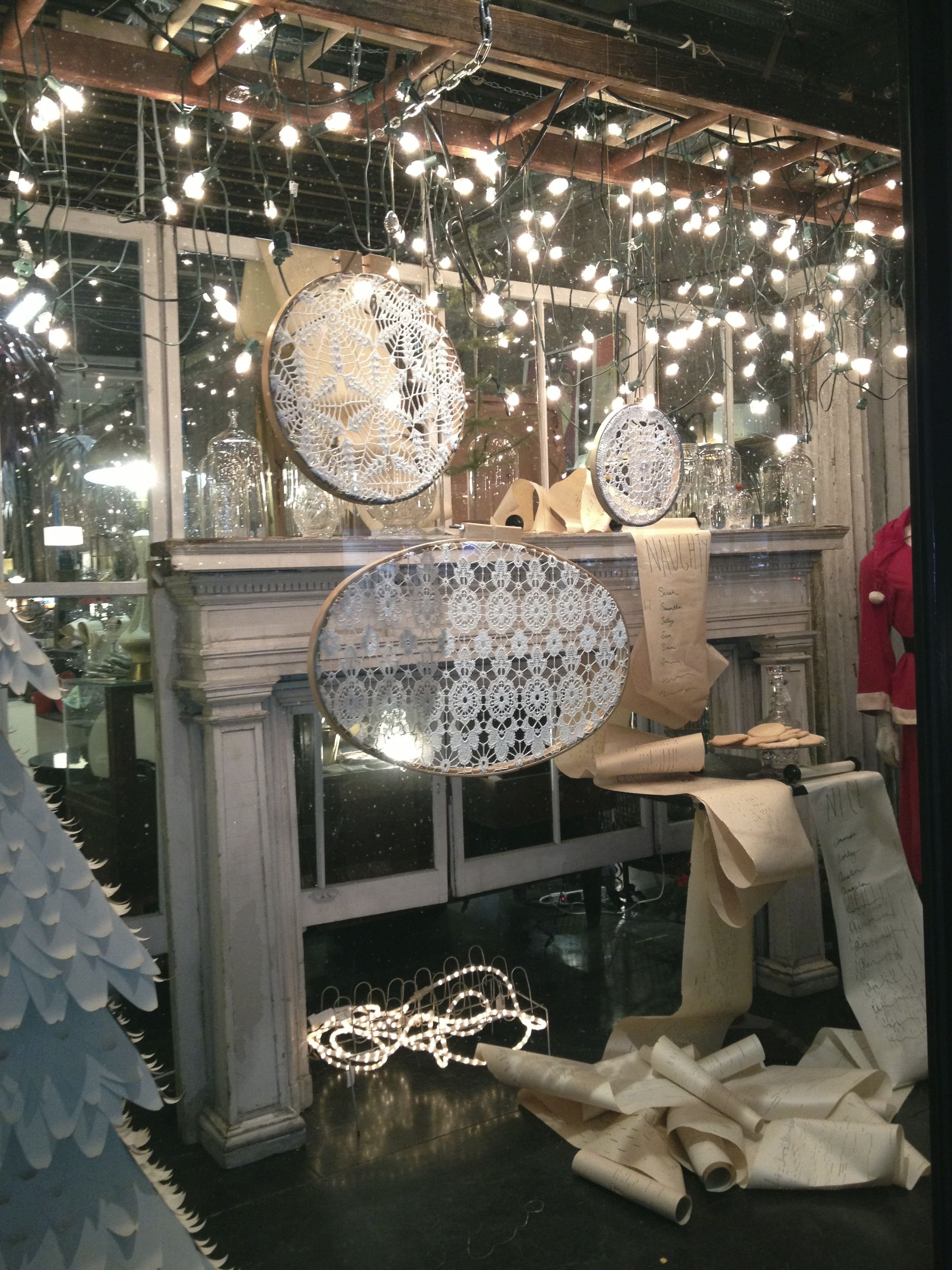
The store maintains a physical presence in downtown New Haven at 839 Chapel Street, occupying a historic building that complements the vintage merchandise within. This central location situates EBM within New Haven’s cultural district, surrounded by theaters, museums, restaurants, and Yale University campus buildings, creating natural foot traffic from diverse visitors already engaged in cultural activities. The space features large display windows that showcase rotating vignettes of distinctive items, inviting sidewalk passersby to explore further while providing after-hours visibility for window shoppers. The store operates Wednesday through Sunday from noon until 5:00 PM, maintaining consistent hours that accommodate both weekend visitors and weekday shoppers while providing necessary closed days for inventory acquisition, research, and merchandising refreshment. This scheduling approach balances accessibility with the operational needs of a specialized independent retailer, creating sustainable business practices that ensure long-term stability for customers and staff alike.
For customers seeking more in-depth engagement or specific services, EBM offers scheduled consultations that provide dedicated attention beyond regular shopping interactions. These appointments can be arranged through either phone or email contact, with specific time blocks reserved for focused exploration of particular categories, detailed discussion of special requests, or comprehensive space planning for larger purchases. Consultations prove particularly valuable for interior designers working on specific projects, collectors seeking particular items, or individuals planning significant purchases who benefit from uninterrupted assistance. The store accommodates occasional after-hours appointments for clients with schedule constraints, particularly for significant purchasing decisions requiring extended consideration. This flexible approach to customer engagement reflects EBM’s understanding that vintage shopping often involves more complex decision-making than conventional retail, requiring additional time, information, and consideration that may not be fully accommodated during standard shopping hours with other customers present.
The business maintains limited but focused digital communication channels designed to showcase distinctive new acquisitions while respecting customer preferences for engagement. While deliberately avoiding excessive social media proliferation across multiple platforms, EBM maintains curated visual content highlighting notable new inventory, special collections, and thematic groupings. These digital communications provide collection previews that help interested customers stay informed about new arrivals without creating the overwhelming content volume common to more aggressive retail marketing approaches. The store’s communication philosophy emphasizes quality over quantity, focusing on meaningful information about significant pieces rather than constant promotional content. This measured approach to digital engagement reflects EBM’s broader business philosophy that values substantive customer relationships over high-volume transactional interactions, creating communication patterns that inform and inspire without overwhelming recipients with excessive marketing content that diminishes impact through overexposure.