About the Company
Perrone Apparel, officially known as Perrone Leather Apparel, represents an extraordinary legacy in American leather craftsmanship dating back to 1893. Based in Fultonville, New York, this family-owned business has maintained continuous operation for over 130 years, spanning four generations with the remarkable distinction that three generations currently work together in their factory. This multigenerational collaboration creates a living bridge between traditional leather-working techniques and contemporary production methods, ensuring that heritage craftsmanship remains vibrant rather than merely historical. Located in the renowned Leatherstocking Region just south of the Adirondacks in Upstate New York, the company operates within an area historically significant to American leather production, continuing a regional craft tradition that has defined the area’s industrial identity for centuries. From their 182 Riverside Drive location, Perrone has cultivated a specialized niche crafting premium leather apparel and products primarily for the aviation community.
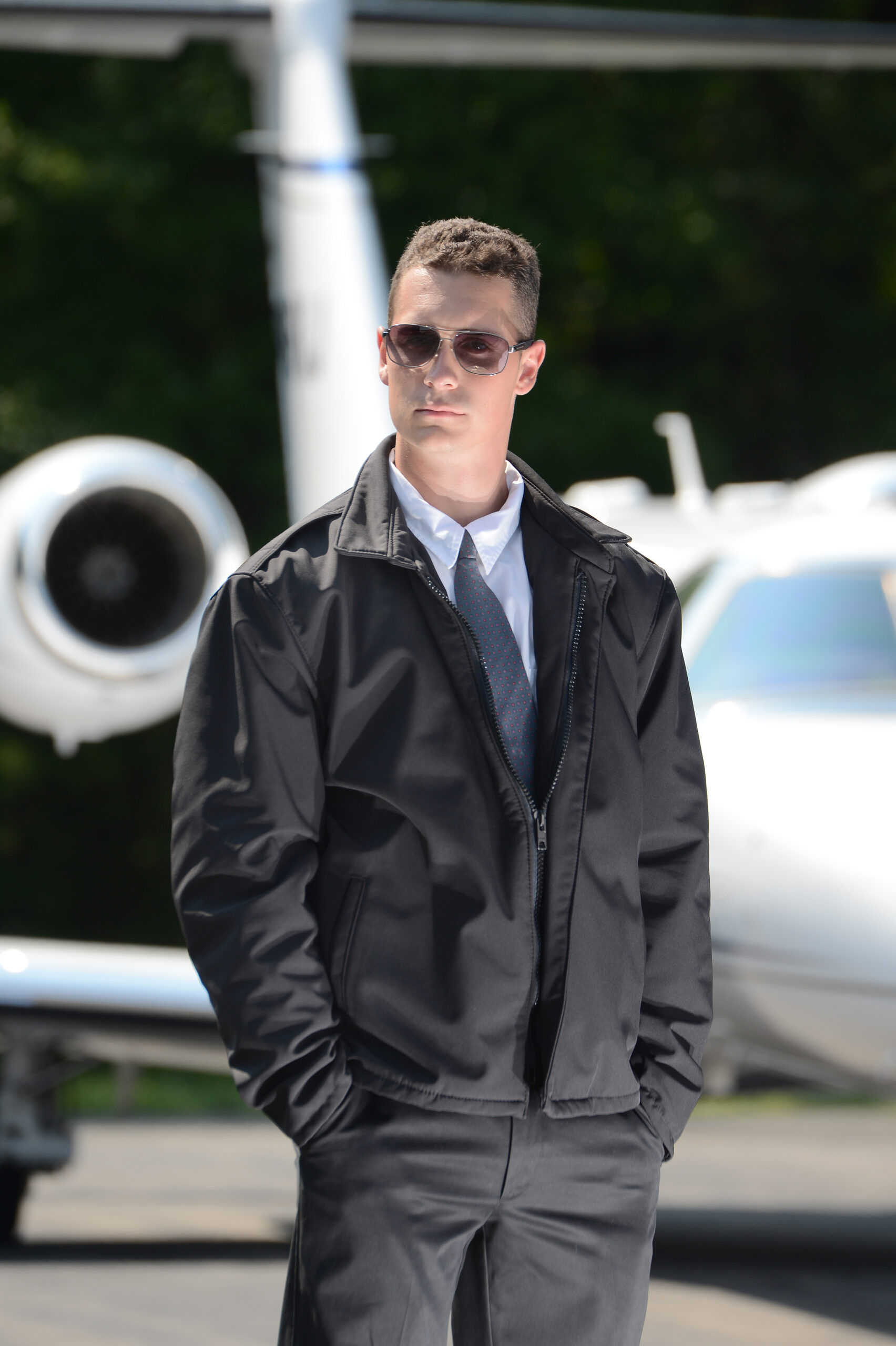
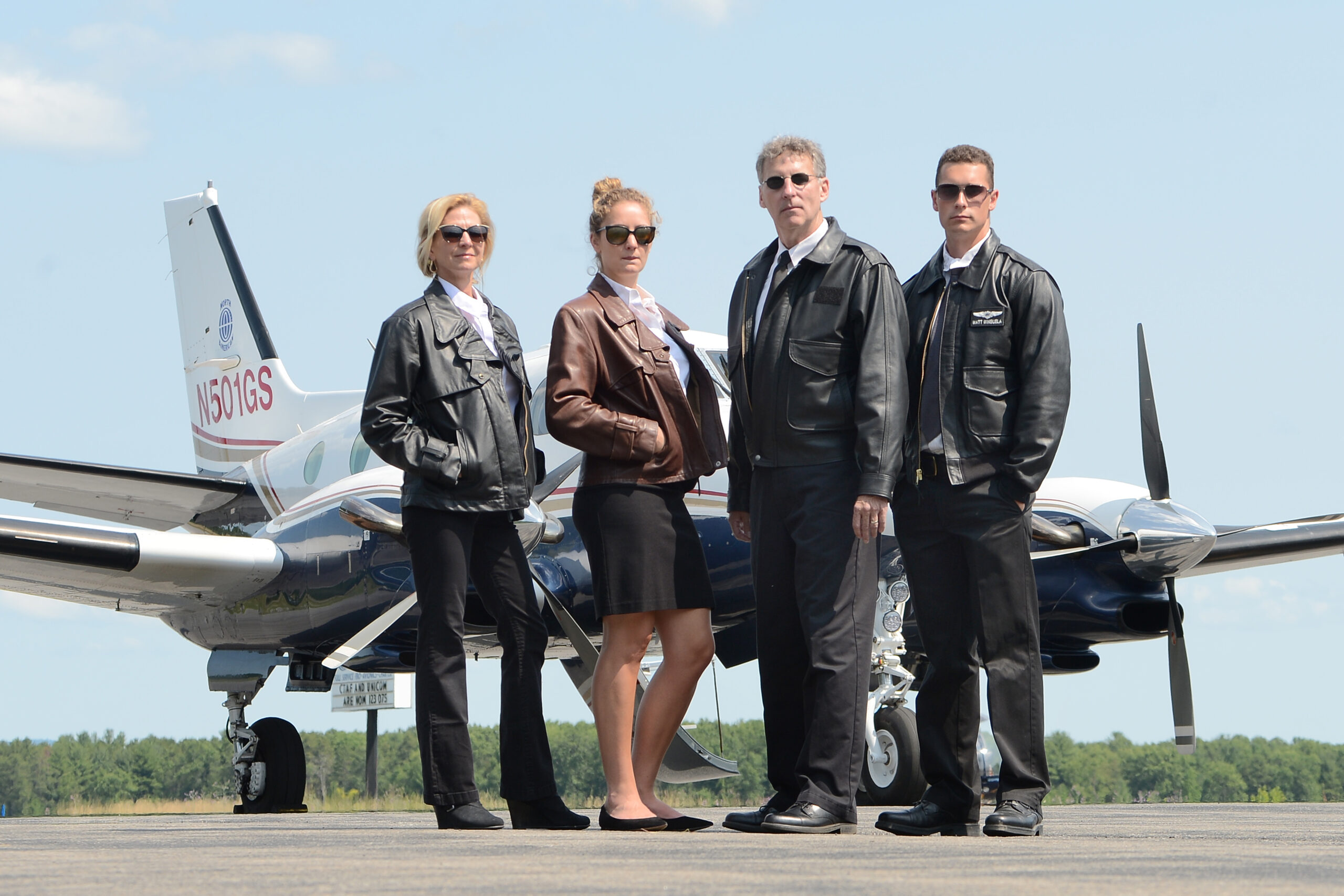
What distinguishes Perrone Apparel in the competitive leather goods market is their unique position as a company “owned and operated by aviators” creating products for fellow aviation professionals. This insider perspective provides them with authentic understanding of the specific requirements, functional needs, and professional standards that pilots and other aviation personnel demand from their leather goods. Unlike mass-market leather apparel manufacturers designing primarily for fashion considerations, Perrone approaches product development with practical aviation applications in mind, resulting in gear that meets the rigorous demands of professional use. Their complete American manufacturing commitment—proudly stating that “All of our leather products are manufactured in the USA”—represents another significant differentiator in an industry where offshore production has become standard practice. This domestic manufacturing ensures direct quality control while supporting American craftsmanship and employment, creating products that embody both national heritage and contemporary workmanship excellence.
The company’s core operational philosophy centers on customization, crafting leather jackets “made specifically to your choices and specifications” rather than producing standardized inventory. This bespoke approach reflects traditional artisanal values where products are created for specific individuals rather than anonymous consumers. The production timeline of approximately 10-12 weeks indicated on their website speaks to the meticulous hand-craftsmanship involved, with each jacket representing significant skilled labor rather than rapid mass-production techniques. This deliberate, time-intensive manufacturing process stands in stark contrast to the immediate gratification model of contemporary retail, attracting customers who value purpose-built quality over instant acquisition. Their exceptional warranty program further reinforces this quality commitment, demonstrating confidence in their products’ durability and performance under demanding professional conditions. However, their relatively low 2.5-star rating from 30 reviews suggests potential challenges in meeting customer expectations despite these quality commitments, possibly indicating issues with communication, delivery timelines, or product consistency that may require attention.
Products and Specialization:
Perrone Apparel maintains a specialized product focus centered on premium leather goods for aviation professionals, with their custom leather jackets representing their signature offering and primary reputation builder. These jackets are crafted through a comprehensive customization process that allows clients to specify details ranging from leather type, color, and weight to hardware finishes, lining options, pocket configurations, and personalization features like name embroidery or specialized insignia. Each jacket undergoes meticulous construction involving numerous skilled operations including pattern cutting, assembly, stitching, lining installation, and finishing, with the 8-9 week production timeline (noted elsewhere as 10-12 weeks) reflecting this intensive artisanal process rather than mass production techniques. Beyond their core jacket offerings, the company likely produces complementary aviation leather goods such as flight bags, logbook covers, headset cases, chart holders, and other specialized equipment carriers designed with pilot-specific functionality that addresses the practical needs of aviation professionals. Their product development benefits from their unique position as aviators creating for fellow aviators, incorporating feedback and insights from actual flight experience into design refinements that enhance both functionality and durability. The materials used in their products presumably include premium full-grain leathers selected for specific performance characteristics including wear resistance, weather protection, comfort, and professional appearance, with different weight and finish options available to accommodate various operational environments from commercial airline flight decks to military applications. Their USA manufacturing commitment ensures direct quality control throughout the production process while maintaining traditional leather craftsmanship techniques that may include hand-cutting, specialized machine stitching, and manual finishing processes that create distinctive character impossible to replicate through mass production. Their “exceptional warranty program” suggests confidence in their products’ durability under demanding professional use conditions, with repair or replacement policies that reinforce their quality positioning while providing customers assurance regarding their significant investment in custom leather goods. While their marketing emphasizes aviation clients, their craftsmanship capabilities likely extend to select non-aviation leather products that benefit from similar quality standards and construction techniques, potentially including general leather outerwear, specialized bags, or custom leather goods for other professional applications where durability and functionality requirements parallel those of aviation use.
Heritage and Craftsmanship
Perrone Apparel’s 1893 founding places their origins in a transformative era of American manufacturing, when industrial production was revolutionizing traditional crafts while regional manufacturing identities were being established. Their continuous operation through 130 years of profound economic, social, and technological changes—including two World Wars, the Great Depression, multiple recessions, and globalization of the apparel industry—demonstrates remarkable resilience and adaptability while maintaining core craft traditions. The company’s location in New York’s historic Leatherstocking Region connects them to a distinctive American manufacturing heritage, with this area recognized since early colonial times for leather production due to abundant natural resources including water, hemlock trees (providing tannin for tanning), and appropriate agricultural conditions for raising cattle. Their Fultonville operation continues this regional legacy, maintaining specialized skills and knowledge that might otherwise disappear as industrial production increasingly shifts offshore. The family business structure spanning four generations represents increasingly rare continuity in American manufacturing, where corporate acquisitions, consolidations, and closures have disrupted many historic craft enterprises. The current remarkable situation of three generations working together in the factory creates a living knowledge transfer system where techniques, material understanding, and production insights pass directly from experienced craftspeople to younger practitioners, preserving not just technical skills but tacit knowledge and quality standards that cannot be captured in written documentation.
Perrone’s manufacturing philosophy centers on a fundamental commitment to domestic production, with their repeated emphasis that “All of our leather products are manufactured in the USA” indicating both pride in this approach and recognition of its increasing rarity in contemporary apparel production. Their factory likely maintains a combination of traditional leather-working equipment alongside modern machinery, creating production capabilities that honor historical techniques while incorporating appropriate technological advancements that enhance precision and consistency without compromising craftsmanship quality. Their customization-centered business model requires flexible manufacturing systems rather than high-volume standardization, with skilled craftspeople likely working on individual orders rather than assembly-line production. Their extended production timeline indicates an approach prioritizing quality execution over rapid turnaround, maintaining traditional standards where proper construction techniques receive appropriate time rather than being rushed to meet efficiency metrics. The materials they select presumably represent premium domestic or imported leathers chosen for specific performance characteristics rather than merely cost considerations, with different weights, finishes, and treatments available to address varying functional requirements. Their manufacturing identity as “aviators making products for aviators” suggests production oversight from individuals who personally understand the end-use conditions their products will face, creating accountability that transcends typical manufacturer-customer relationships. While their lower customer rating indicates potential production or delivery challenges that require attention, their fundamental manufacturing approach represents commitment to American craft production increasingly rare in contemporary apparel manufacturing, where overseas production dominates primarily due to labor cost advantages rather than quality considerations.
Perrone’s proud reference to being “located in the famous Leatherstocking Region just south of the Adirondacks in Upstate NY” places them within a historically significant American manufacturing landscape with particular relevance to leather production. This region, which gained literary fame through James Fenimore Cooper’s “Leatherstocking Tales,” developed into a center for leather tanning and production beginning in the early 19th century, with towns like Gloversville (mentioned in customer testimonial) becoming internationally known for glove manufacturing and related leather industries. By maintaining active leather manufacturing in this region, Perrone preserves living connection to this industrial heritage rather than merely referencing it as historical background. Their continuation of regional craft traditions likely includes both technical production knowledge and cultural values around workmanship and quality that have characterized the area’s manufacturing identity for generations. The testimonial from pilot Randy Servello specifically mentions the significance of “having the opportunity to wear a product from my small hometown” of Gloversville, illustrating how regional manufacturing creates meaningful connections between products and places increasingly rare in globalized production. This regional identity potentially influences multiple aspects of their business approach, from material selection practices derived from regional traditions to production techniques refined through generations of local craftsmanship to business values reflecting the manufacturing ethics that historically defined the region. Their presence as an active manufacturer helps maintain the Leatherstocking Region’s authentic industrial character rather than seeing it transformed entirely into historical reference without contemporary relevance, contributing to regional economic sustainability while preserving distinctive American manufacturing heritage increasingly at risk of disappearing entirely.
Aviation Focus and Expertise
Perrone’s self-identification as a company “owned and operated by aviators” fundamentally shapes their business identity beyond mere marketing positioning, creating authentic expertise that distinguishes them from manufacturers who merely adopt aviation aesthetics without genuine understanding of aviation requirements. This aviator ownership likely provides firsthand knowledge of specific performance needs that leather gear must meet in aviation environments, from cockpit temperature variations to movement requirements during aircraft operation to professional appearance standards within airline or military contexts. Their declaration that “We know the challenges of aviation” suggests that product development stems from personal experience rather than abstract market research, incorporating insights gained through actual flight operations into design decisions and material selections. This authentic aviation connection creates natural credibility within the aviation community, where technical understanding and practical experience carry significant weight. Their long-standing relationship with aviation professionals, described as “serving the aviation community with leather products for many years,” indicates sustained commitment to this specialized market rather than opportunistic entry based on fashion trends. This aviation focus represents targeted specialization rather than general leather apparel production, creating competitive advantage through expertise depth rather than product breadth. Their website’s aviation-centered language and imagery reinforces this identity, with references to “Aviation Leather” and “Perrone Aviation Leather” indicating clear market positioning rather than attempting to serve multiple disparate customer segments simultaneously.
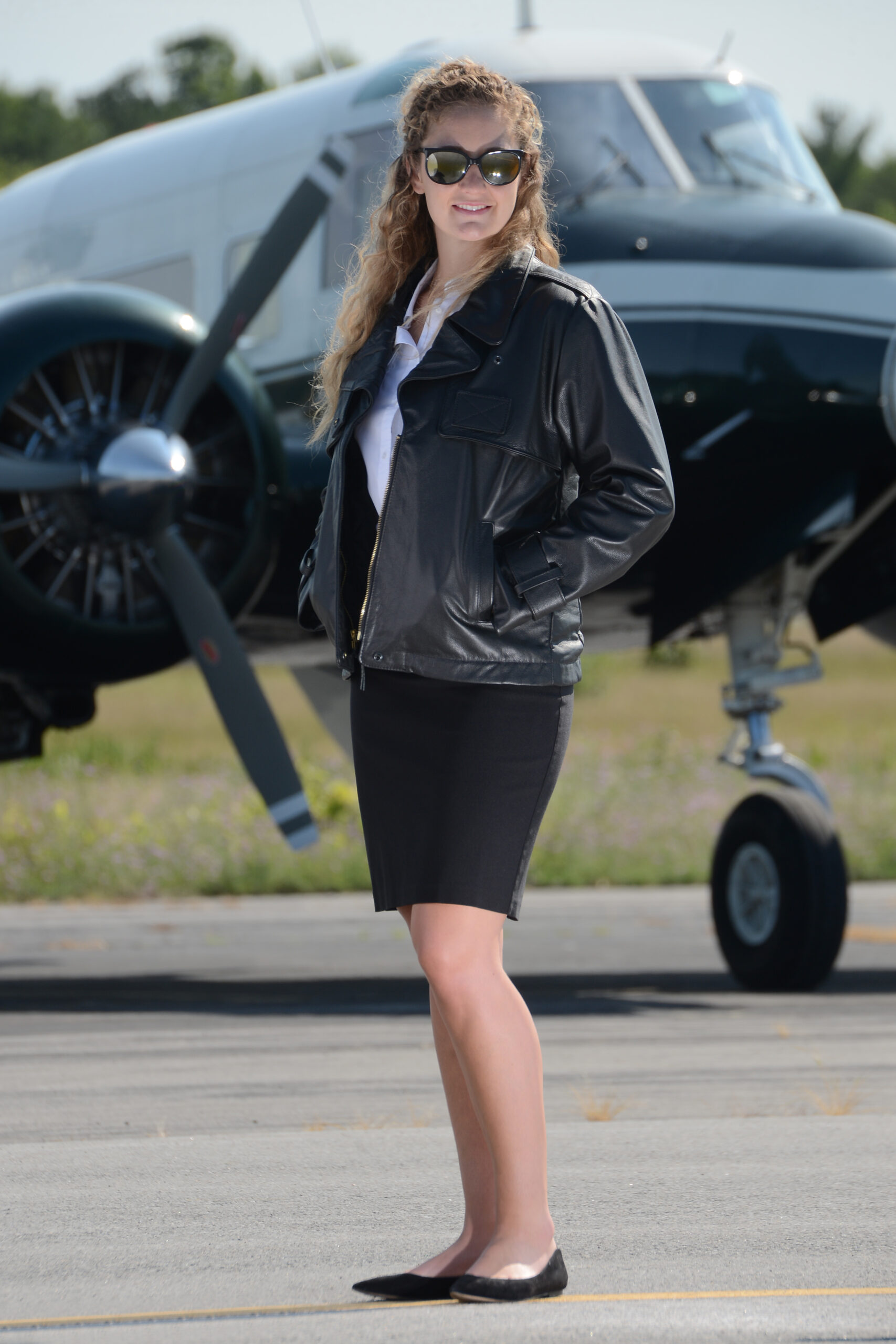
Perrone’s aviation-specific products must meet distinctive functional requirements beyond those of typical leather fashion apparel, addressing the particular conditions and operational needs encountered by pilots and aviation personnel. Aviation leather jackets require specific performance characteristics including freedom of movement for aircraft control manipulation, comfort during extended seated positions in cockpit environments, durability to withstand frequent use in varying conditions, and professional appearance appropriate for uniformed airline or military service. The testimonial from Sun Country Airlines pilot Randy Servello highlights practical performance considerations, noting that his Perrone jacket “holds up to the wear and tear of severe weather, messy aircraft inspections, and packing from trip to trip” while withstanding “Minnesota winters” – illustrating the demanding conditions these professional garments must endure beyond merely stylistic considerations. Aviation functionality likely influences numerous specific design elements including shoulder construction allowing proper reach to overhead controls, collar configurations compatible with headset use, pocket placements accessible while seated with fastened seatbelts, and weight considerations appropriate for cockpit environments that can range from cold exposure during pre-flight inspections to potentially overheated conditions. Their customization approach allows adaptations addressing specific operational contexts, from commercial airline requirements to military specifications to private aviation needs, with details potentially including proper accommodation for epaulets, name badges, airline-specific insignia, or appropriate styling variations for different aviation environments. This functional specialization requires technical understanding beyond general apparel manufacturing capabilities, creating natural barrier to entry for competitors without aviation-specific expertise.
Beyond product specifications, Perrone’s aviation specialization has likely fostered distinctive relationships within the aviation community that influence their business development, customer acquisition, and product evolution. Their long-term service to aviation professionals has presumably created network effects where established customers provide referrals within professional aviation circles, creating reputation-based growth rather than relying primarily on general marketing. The testimonial from Randy Servello specifically mentions being “proud to recommend Perrone Leather to all of my aviation colleagues,” illustrating this professional referral dynamic within the aviation community. Their product development likely benefits from ongoing dialogue with aviation professionals who provide feedback based on field experience, creating continual refinement responding to actual use conditions rather than merely theoretical design considerations. Their aviation focus potentially facilitates institutional relationships with airlines, military units, flight schools, or other aviation organizations seeking consistent professional leather goods across personnel groups, creating opportunities for volume orders beyond individual purchases. Their specialization enables participation in aviation-specific events, publications, and professional gatherings where general apparel manufacturers would lack relevant positioning, providing targeted marketing opportunities within their core customer community. This community relationship extends beyond transactional business to shared professional identity, where Perrone’s status as aviator-owned company creates authentic connection with customers based on common understanding and experiences rather than merely vendor-client dynamics. While their lower customer rating suggests challenges that require attention, their fundamental aviation community positioning represents significant potential competitive advantage through specialized relationships increasingly valuable as generic retail experiences become commoditized.
Customization Process and Production
At the heart of Perrone’s business model lies their commitment to customization, described as “carefully construct[ing] a custom jacket just for you – made specifically to your choices and specifications.” This bespoke approach represents fundamental philosophy prioritizing individualized creation over standardized mass production, maintaining traditional craftsman-client relationship increasingly rare in contemporary manufacturing. The customization process likely begins with comprehensive consultation addressing both aesthetic preferences and functional requirements, potentially including detailed discussions about intended use conditions, specific professional requirements, personal style preferences, and practical considerations like climate and wearing frequency. This information-gathering phase creates foundation for truly personalized product development responsive to individual needs rather than merely offering limited customization options within otherwise standardized designs. Their extended production timeline acknowledges the inherent requirements of true bespoke manufacturing, where patterns may be modified for specific measurements, materials selected for particular performance characteristics, and construction details adapted to individual specifications rather than merely assembling predetermined components. This individualized approach creates natural product differentiation where each piece represents unique creation rather than catalog selection, attracting customers seeking personalized expression and precise functionality beyond what standardized offerings can provide. While time-intensive and inherently less efficient than mass production, this bespoke methodology enables premium positioning through exclusivity, quality, and personal connection increasingly valued as counterpoint to anonymous mass consumption.
Perrone’s prominently noted production timeline—variously described as “approximately 10-12 weeks” and “8-9 weeks”—reflects the inherent requirements of their customization-centered manufacturing approach and represents significant aspect of customer expectations management. This extended production period indicates several important business realities: each piece undergoes multiple distinct production phases requiring specialized skills rather than rapid assembly, skilled craftspeople likely work on multiple orders simultaneously rather than dedicated single-piece construction, thorough quality assurance processes validate work at various stages rather than merely final inspection, and appropriate curing or finishing processes receive necessary time rather than being accelerated. Their website’s repeated mentions of this timeline suggests recognition that managing customer expectations regarding delivery represents critical aspect of customer satisfaction, particularly in contemporary marketplace conditioned to expect rapid fulfillment. The consistency of this information across their communications reflects transparency about business realities rather than promising unrealistic delivery schedules. The variable timeframe (8-9 versus 10-12 weeks) may indicate seasonal fluctuations in production capacity, evolving workload conditions, or different requirements for varying product complexity levels. This significant lead time creates practical challenges requiring effective customer communication throughout the production process to maintain engagement and satisfaction during extended waiting periods. While potentially limiting appeal to customers seeking immediate gratification, this transparent timeline sets realistic expectations while reinforcing quality positioning through implicit recognition that proper craftsmanship requires appropriate time investment.
Perrone’s emphasis on “Quality Makes All The Difference” and their “Exceptional Warranty Program” indicates commitment to superior standards throughout their manufacturing process, though their lower customer rating suggests potential inconsistency in delivering these standards. Their quality approach presumably begins with material selection, sourcing premium leathers with appropriate characteristics for specific applications rather than compromising on fundamental inputs. Their multigenerational family business structure likely maintains traditional quality standards through direct knowledge transfer, where experienced craftspeople personally oversee work and maintain expectations through immediate feedback rather than abstract quality metrics. Their aviation specialization naturally enforces high standards, as products must perform reliably in professional contexts where failure has significant consequences beyond mere inconvenience or aesthetic disappointment. Their American manufacturing commitment facilitates direct quality oversight throughout production rather than attempting remote quality control over offshore manufacturing with inherent communication and supervision challenges. Their website’s proud reference to “Amazing Customer Service” as part of their warranty program suggests commitment to addressing any issues that arise, though their lower rating indicates potential gap between this aspiration and consistent execution. The aviator ownership creates personal stake in quality beyond business considerations, as their products reflect on fellow professionals using them in shared aviation contexts. While their promotional materials emphasize quality commitment through multiple references, their actual rating indicates opportunity for improvement in consistently delivering this promised quality or in managing customer expectations throughout the extended production process. This pattern suggests need for systematic review of quality control processes, customer communication practices, and potential production consistency challenges that may be undermining their fundamental quality commitments.
Customer Experience and Feedback
The featured testimonial from Sun Country Airlines pilot Randy Servello provides valuable insights into Perrone’s customer relationships and product performance while highlighting emotional connections that transcend mere product functionality. Servello’s personal connection to the region, “growing up in Gloversville, NY” and dreaming of becoming a pilot, creates meaningful narrative connecting hometown manufacturing heritage with professional achievement, demonstrating how Perrone’s regional identity resonates with customers who appreciate authentic American manufacturing traditions. His description of being “honored to have the opportunity to wear a product from my small hometown” elevates the jacket beyond utilitarian gear to symbol connecting personal history with professional identity, suggesting emotional value exceeding mere functional performance. His specific endorsement of Perrone’s American manufacturing—”proud to recommend Perrone Leather to all of my aviation colleagues as they are one of the few companies that source and manufacture in the United States”—indicates that domestic production represents significant value proposition for certain customers who prioritize American craftsmanship. His observation about the jackets being “handmade with details customized to each pilot” reinforces their bespoke positioning while suggesting professional community recognition of individual customization. His practical assessment that the jacket “holds up to the wear and tear of severe weather, messy aircraft inspections, and packing from trip to trip” provides credible performance validation from authentic professional use rather than merely theoretical durability claims. The description of the jacket as “part of my everyday uniform” indicates successful integration into professional identity rather than occasional specialty use. This comprehensive testimonial reflects ideal customer relationship combining emotional connection, professional validation, and practical performance satisfaction that Perrone presumably seeks to replicate across their customer base.
Despite their ratings challenges, Perrone’s business approach includes several elements suggesting commitment to building meaningful customer relationships rather than merely transactional interactions. Their invitation “Let’s Hear From You!” and encouragement to “start talking about your jacket or airline” indicates conversational approach seeking dialogue rather than merely order processing. Their aviator-owned identity creates natural affinity with aviation customers through shared professional understanding and experiences, potentially facilitating relationship depth beyond typical vendor-client dynamics. Their multigenerational family business structure likely creates continuity in customer relationships across time, where institutional knowledge about repeat customers and their preferences maintains personalized service increasingly rare in contemporary retail environments. Their customization process necessarily requires substantial customer interaction, creating natural relationship development opportunities through detailed discussions about preferences, needs, and specifications compared to standardized purchasing experiences. Their specialized aviation focus potentially creates ongoing relationships where customers return for additional products or refer colleagues based on shared professional context rather than merely transactional satisfaction. Their extended production timeline requires ongoing communication that, when handled effectively, can build anticipation and investment in the final product, though their rating suggests potential weaknesses in this communication process. Their “Exceptional Warranty Program” suggests commitment to post-purchase relationship maintenance rather than considering customer engagement complete upon delivery. Their American manufacturing and family business identity likely attracts customers specifically valuing these characteristics, creating relationship foundation based on shared values rather than merely product attributes. These relationship elements represent significant potential strength that proper operational execution could leverage into improved customer satisfaction and loyalty, turning their current ratings challenge into opportunity for demonstrating responsive improvement that reinforces quality commitments.
Business Challenges and Opportunities
Perrone’s business model presents inherent operational challenges requiring careful management to maintain viability while delivering on their quality and customization promises. Their extended production timeline creates cash flow management complexity, with significant labor and material investment occurring weeks before payment completion, requiring precise financial planning and potentially creating vulnerability during economic downturns or seasonal fluctuations. Their custom manufacturing approach necessitates maintaining ski