About the Boutique
Myrtle Mae’s Chic Boutique is a charming and eclectic shopping destination nestled within Harder & Warner Landscaping in Caledonia, Michigan. This unique retail concept has established itself as a beloved local treasure offering a diverse array of fashion, jewelry, home décor, and gift items to the West Michigan community. With a warm, inviting atmosphere described as “Smile Therapy,” the boutique has created a shopping experience that transcends mere transaction, becoming a place where customers can explore, discover, and feel genuinely uplifted. The shop’s quaint setting within a landscaping business creates an unexpected and delightful retail environment that perfectly complements its eclectic merchandise mix. Since opening, Myrtle Mae’s has cultivated an impressive 4.6-star rating from customers who appreciate both the unique product selection and the joyful shopping experience the boutique consistently delivers.
What distinguishes Myrtle Mae’s Chic Boutique in the competitive retail landscape is their thoughtfully curated collection that balances boutique fashion with home accents and giftable items, creating a comprehensive lifestyle destination rather than a narrowly focused specialty shop. Their product selection reflects careful attention to sourcing distinctive brands not commonly found in chain stores, including clothing from Noelle, jewelry from Canvas, and home goods from Primitives by Kathy, among others. This focus on unique merchandise creates a constantly evolving treasure hunt for customers, with “new exciting items arriving each week” encouraging repeat visits and regular discoveries. Beyond product selection, the boutique distinguishes itself through a genuine commitment to customer happiness, explicitly stating that their shop “surrounds you with items to promote happiness and make you feel good!” This approach to retail as emotional experience rather than merely functional commerce creates deeper customer connections and fosters the community atmosphere that defines successful independent boutiques.
Myrtle Mae’s extends its presence beyond its physical location through active community engagement and special events that create additional touchpoints with customers and introduce the boutique to new audiences. The shop regularly hosts gatherings like “Ladies Night Out,” “Rock The Runway,” holiday open houses, and shopping events such as the upcoming “Happy Hippy Boutique Shopping Event.” Their participation in charitable fashion shows, including the “Junior Mollie Booth Guild’s Annual Fashion Show” at Boulder Creek Golf Club, demonstrates commitment to supporting local causes while showcasing their merchandise in engaging contexts. This combination of curated product selection, experiential retail environment, and community involvement has established Myrtle Mae’s Chic Boutique as more than just a store—it’s a beloved community institution that offers what they aptly describe as “Eclectic Charm” to the West Michigan area, creating a distinctive shopping destination where customers feel genuinely welcome and inspired.
Departments and Products:
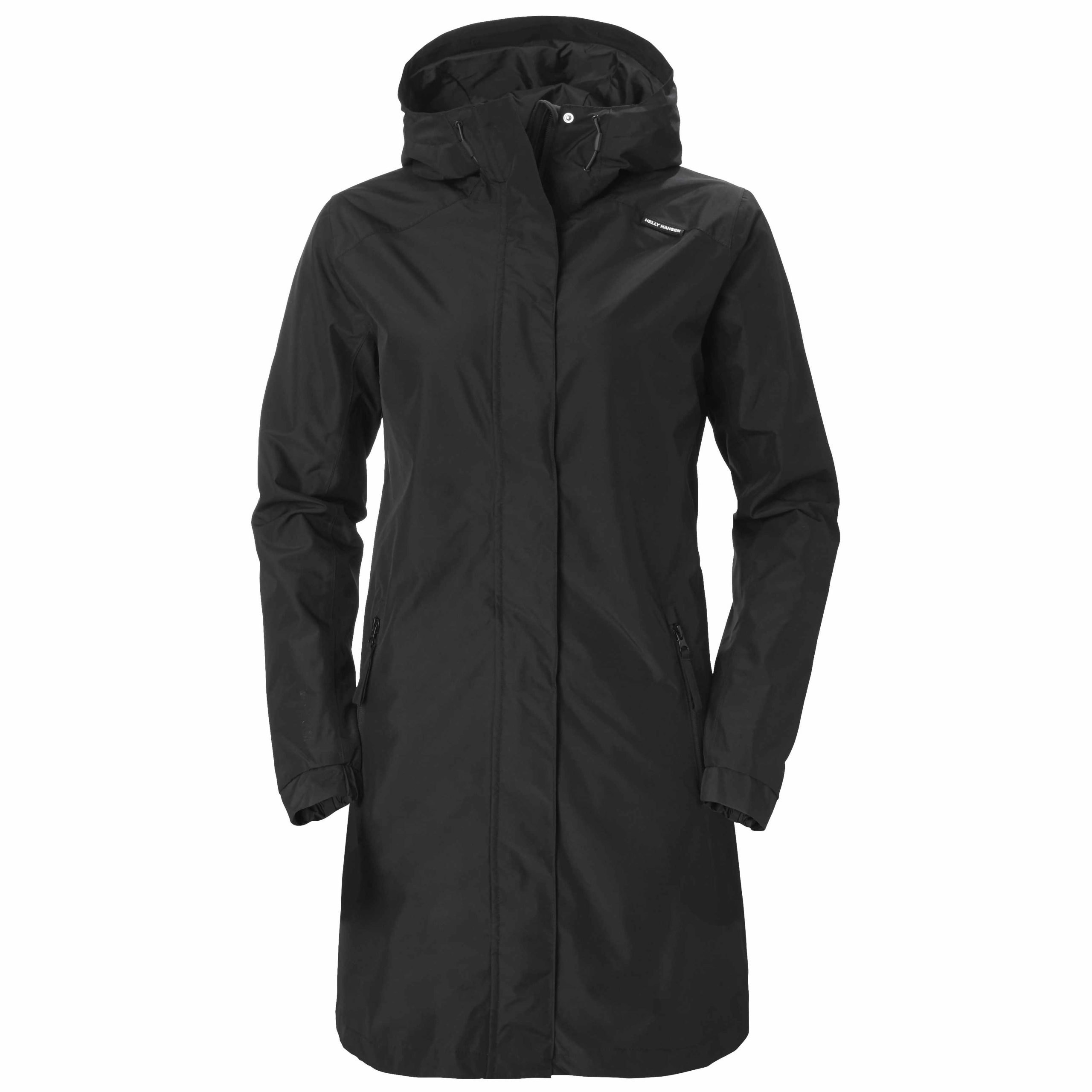
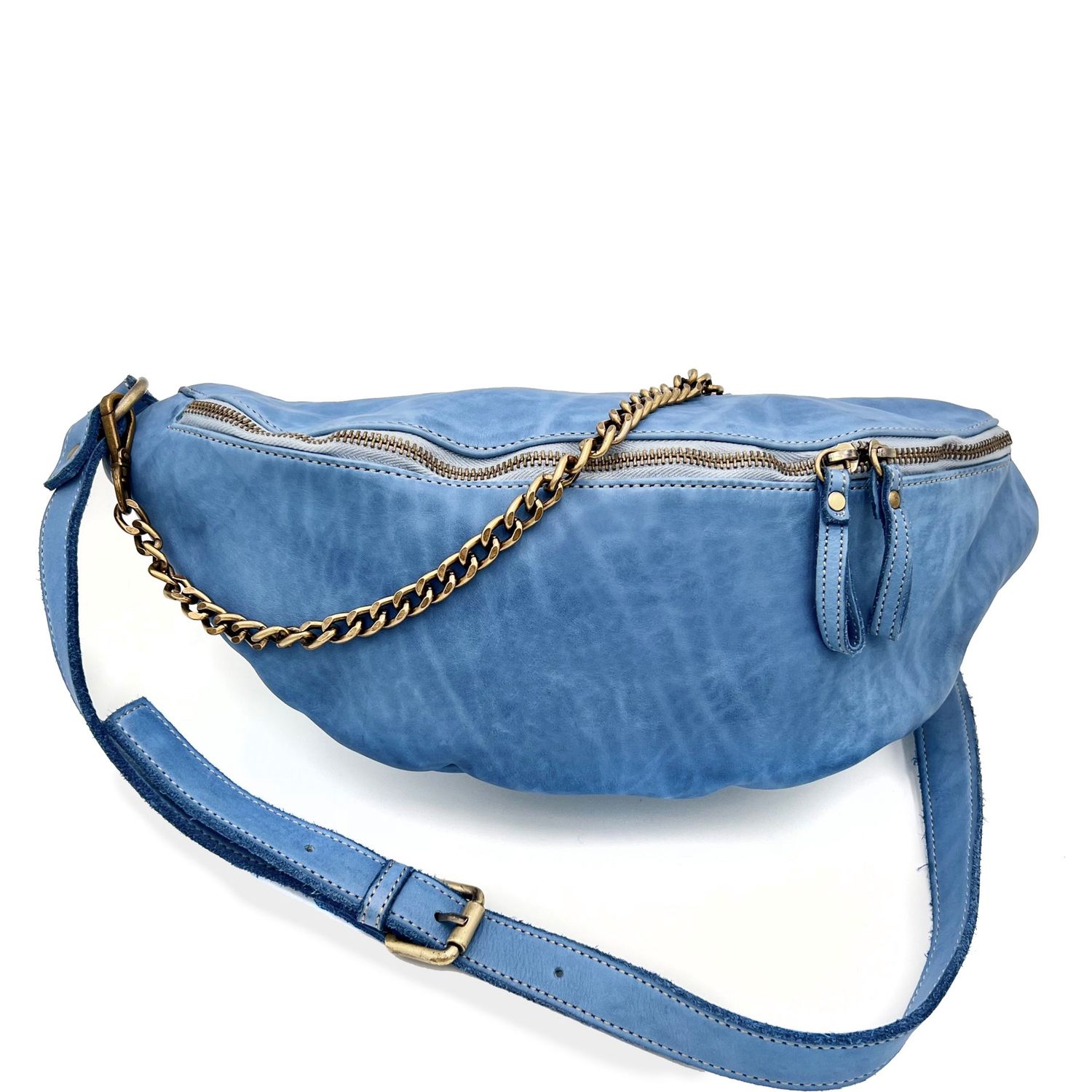
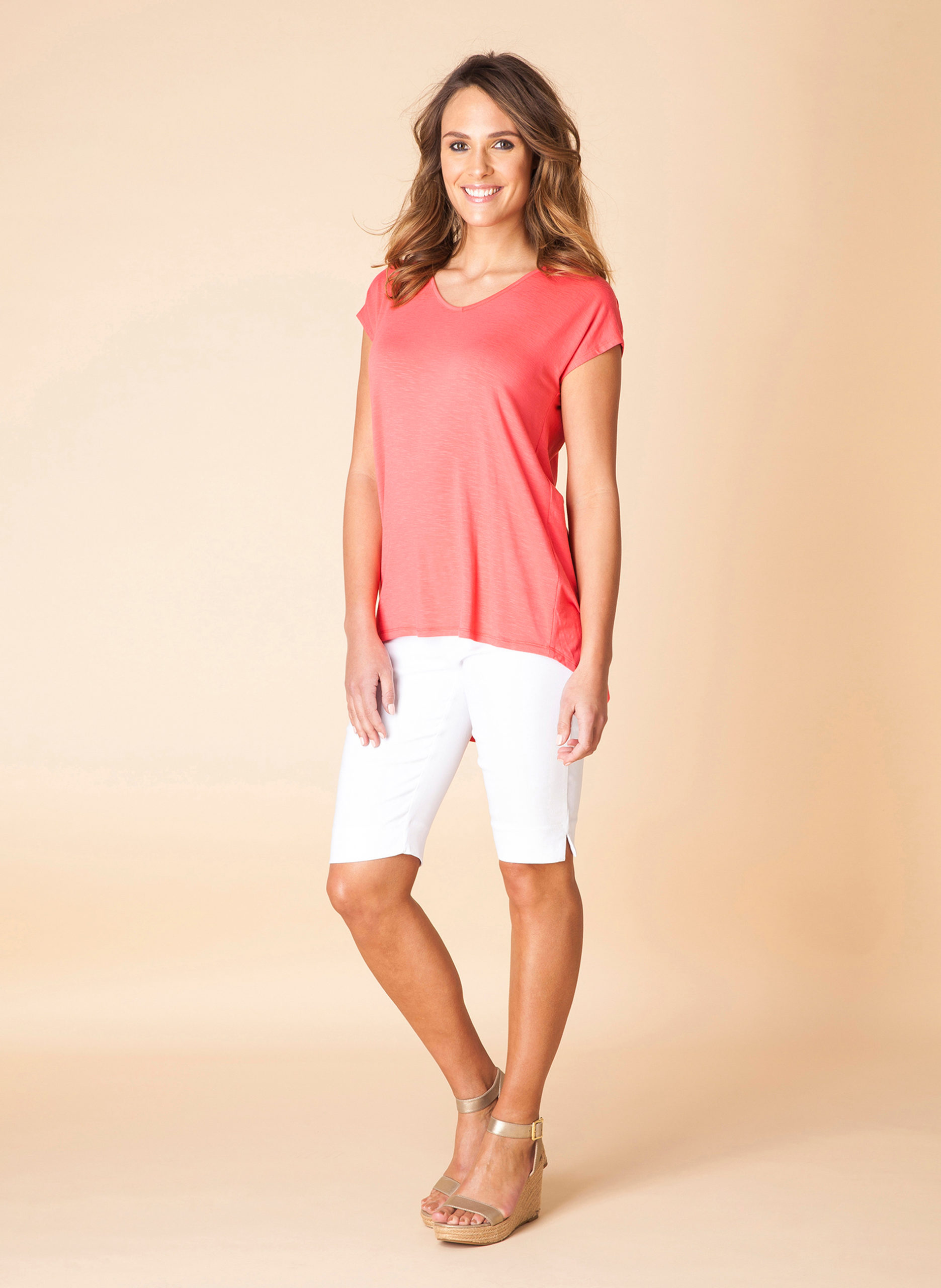
Myrtle Mae’s Chic Boutique offers a comprehensive merchandise selection organized into distinct departments that together create a complete lifestyle shopping destination. Their Fashion & Accessories department features a carefully curated collection of women’s clothing from boutique designers like Noelle, with styles that balance contemporary trends with wearable versatility, likely including casual daywear, seasonal pieces, and special occasion options suitable for the West Michigan lifestyle. The Jewelry section showcases distinctive accessories from brands like Canvas, offering statement pieces and everyday selections that help customers express personal style while complementing their wardrobe choices. The shop’s substantial Home Decor department provides accent pieces, wall art, decorative objects, and seasonal items that add character and charm to customers’ living spaces, featuring items from Primitives by Kathy known for their whimsical designs and heartfelt sentiments. Swan Creek Candles receives special prominence as a dedicated department, suggesting an extensive selection of these American-made, highly scented paraffin candles that have developed a devoted following for their exceptional fragrance throw and clean-burning properties. The Bath, Body & Soul section offers personal care products from premium brands including The Naked Bee, known for their natural ingredients and “all the good stuff, none of the bad stuff” philosophy, and Finchberry, whose artisanal soaps combine visual appeal with natural formulations, creating gifts that are both practical and indulgent. For customers shopping for the youngest family members, the Gifts for Baby department provides thoughtfully selected items that combine quality, safety, and charm, likely including clothing, toys, keepsakes, and nurturing essentials with unique design elements not found in mass-market baby stores. The Specialty Items category appears to encompass distinctive merchandise that doesn’t fit neatly into other departments, potentially including seasonal selections, locally made products, and unexpected treasures that contribute to the boutique’s reputation for discovery and surprise. Complementing these selections are Entertaining and Cooking & Recipes departments that focus on kitchen accessories, serving pieces, cookbooks, food items, and hosting essentials that help customers create memorable gatherings and everyday meals. Throughout these departments, Myrtle Mae’s emphasizes quality over quantity, carefully selecting each item to ensure it meets their standards for uniqueness, quality, and the ability to “promote happiness and make you feel good!” This thoughtfully organized but deliberately eclectic mix creates a shopping experience where customers can find solutions for various needs while discovering unexpected treasures they didn’t know they were seeking.
Shopping Experience
The shopping atmosphere at Myrtle Mae’s Chic Boutique has been thoughtfully designed to create what they aptly describe as an “experience to titillate all of your senses.” Their unique location inside Harder & Warner Landscaping in Caledonia immediately sets an unexpected tone, with the natural garden center environment creating a distinctive context for retail exploration. Upon entering the boutique, customers likely encounter a space characterized by thoughtful visual merchandising that balances abundance with accessibility, creating the sense of discovery essential to specialty retail while maintaining navigable organization. The sensory experience extends beyond visual appeal to include careful attention to ambient elements—perhaps featuring signature scents from their Swan Creek candles, background music that enhances the shopping mood without overwhelming conversation, and tactile opportunities to touch and interact with products. Their explicit invitation to “stay, explore and soak it all in” suggests a retail philosophy that prioritizes experience over transactional efficiency, encouraging leisurely browsing rather than rushed purchasing. Their description of the shop as offering “Smile Therapy” indicates a deliberate focus on creating positive emotional responses through both merchandise and environment, recognizing that specialty retail serves emotional needs beyond mere product acquisition. This carefully crafted atmosphere transforms shopping from a utilitarian errand into a pleasurable activity worth seeking out, contributing to customer loyalty and word-of-mouth recommendations.
Myrtle Mae’s approach to customer service appears central to their business identity, with multiple aspects of their communication suggesting genuine commitment to personalized attention and relationship building. Their welcoming language that addresses customers of all ages—”Whether you are young, or just young at heart”—signals inclusivity and accessibility rather than targeting narrow demographic segments. The boutique’s offer to special order merchandise not currently in stock demonstrates flexibility and customer-focused problem-solving beyond simply selling available inventory. Their willingness to provide phone contact information prominently (616.698.7283) rather than directing all inquiries to digital channels suggests comfort with direct, personal communication and accessibility to staff. The consistent high rating of 4.6 stars indicates that these service commitments translate into actual customer experiences rather than merely aspirational marketing. The boutique’s extended hours (8:00 AM to 6:00 PM weekdays, 8:00 AM to 5:00 PM Saturdays) demonstrate recognition of customers’ varying schedules and convenience needs, making the shop accessible to both working professionals and weekend shoppers. While not explicitly stated, their emphasis on creating a sensory experience and “Smile Therapy” suggests staff interactions likely reflect similar warmth and attentiveness, with associates encouraged to build genuine connections rather than merely processing transactions. This service approach aligns with their product philosophy—both selected to “promote happiness and make you feel good”—creating coherent brand experience through every customer touchpoint.
Beyond serving individual shoppers, Myrtle Mae’s Chic Boutique has established meaningful connections with the broader West Michigan community through various engagement strategies. Their regular special events create gathering opportunities that transform shopping into social experiences, with examples like “Ladies Night Out” and seasonal open houses fostering connections among customers while showcasing new merchandise. Their participation in charitable fashion shows, particularly the upcoming “Junior Mollie Booth Guild’s Annual Fashion Show” benefiting a local cause, demonstrates commitment to community support and positions the boutique as community partner rather than merely commercial enterprise. Their explicit message that “Wherever you are in West Michigan, we’re close by” suggests self-identification as regional resource rather than simply neighborhood shop, acknowledging their drawing power for customers throughout the area. Their invitation to join their mailing list and follow social media indicates understanding of community building beyond physical space, creating ongoing connections with customers between visits. The boutique’s description as “quaint” and focus on “eclectic charm” suggests alignment with community character and values rather than imposing urban or national retail concepts disconnected from local context. This community integration creates resilience beyond transactional relationships, establishing Myrtle Mae’s as beloved local institution with meaning beyond merchandise—the kind of “third place” that contributes to community identity and quality of life while building sustainable customer loyalty through genuine connection rather than merely competitive pricing or convenience.
Brand Partnerships and Merchandise Selection
Myrtle Mae’s Chic Boutique demonstrates sophisticated brand curation through partnerships with distinctive companies that complement their eclectic yet cohesive aesthetic. Their fashion department features selections from Noelle, a boutique clothing line known for versatile, wearable pieces with distinctive details that balance contemporary trends with timeless appeal, making fashion accessible to women with diverse style preferences and body types. In jewelry, their partnership with Canvas brings customers an artistically-inspired collection characterized by layerable designs with organic textures and materials, offering statement pieces that express individuality while complementing rather than overwhelming personal style. The prominent representation of Swan Creek Candles indicates strong partnership with this premium American-made brand recognized for clean-burning paraffin formulations and exceptional fragrance profiles that create true home ambiance rather than merely decorative scent objects. Their bath and body section showcases carefully selected natural brands including The Naked Bee, whose organic ingredients and distinctive honey-based formulations have developed loyal following, and Finchberry, whose artisanal soaps blend visual artistry with skin-nourishing ingredients to transform everyday routines into sensory experiences. For home décor, their selection of Primitives by Kathy brings customers the brand’s distinctive combination of nostalgic design elements with contemporary sentiments and humor, offering decorative objects that express personality while creating conversational interest in living spaces. These brand partnerships reflect careful consideration rather than opportunistic buying, creating merchandise mix with consistency and character while providing customers access to quality brands they might otherwise need to seek through multiple shopping destinations or online sources.
The merchandise selection at Myrtle Mae’s reflects a thoughtful curation philosophy that balances several important considerations to create their distinctive retail identity. Rather than attempting comprehensive brand representation, the boutique appears to practice selective merchandising—choosing specific pieces from each partner brand that align with their aesthetic vision and customer preferences rather than carrying complete collections. Their described approach of having “new exciting items arriving each week” suggests dynamic buying patterns with frequent small deliveries rather than seasonal bulk purchasing, creating fresh discovery opportunities that reward repeat visits while maintaining core essentials that define their merchandise identity. Their merchandise mix strategically spans multiple price points, likely offering accessible gift and self-purchase items alongside more significant investment pieces, creating entry opportunities for new customers while satisfying established clients seeking special treasures. The diverse department structure—spanning fashion, home, and gift categories—creates merchandise breadth that serves various customer needs and occasions while maintaining sufficient depth within each category to provide meaningful selection. Their product description emphasizing items that “promote happiness and make you feel good” suggests emotional criteria in buying decisions beyond merely trend-responsiveness or margin considerations, selecting merchandise with joyful impact rather than simply commercial appeal. The boutique’s offer to special order items demonstrates inventory flexibility beyond displayed merchandise, extending their effective selection while maintaining efficient use of physical space. This nuanced curation approach creates distinctive merchandise identity that customers recognize and seek specifically rather than merely convenient assortment of commodity products.
Myrtle Mae’s merchandise strategy includes thoughtful seasonal adaptation that keeps their selection fresh and relevant while maintaining consistent brand identity throughout the year. Their upcoming “Spring Fashion Premiere” event indicates strategic emphasis on seasonal transitions, likely introducing new colorways, fabrications, and styles appropriate for Michigan’s distinct seasonal needs. Their current promotion encouraging customers to “Check Out Our Unique Sale Items” suggests systematic inventory management that balances new arrivals with appropriate clearance of prior-season merchandise, maintaining freshness while creating value opportunities that reward loyal customers. Their location in Michigan, with its dramatic seasonal variations, likely influences merchandise selection throughout the year, from lightweight summer fashions and outdoor entertaining essentials to cozy fall layers and holiday-focused décor and gifting during winter months. Beyond weather-driven seasonality, the boutique appears attentive to occasion-based merchandise cycles, with their participation in events like the upcoming fashion show indicating awareness of social calendars that drive specific merchandise needs from spring weddings and graduations to holiday entertaining and gift-giving. Their location within a landscaping business creates natural synergy with seasonal outdoor living trends, potentially influencing merchandise that complements customers’ garden and outdoor entertaining activities during relevant seasons. This seasonal responsiveness maintains shopping excitement throughout the year while addressing customers’ changing lifestyle needs, creating legitimate reasons for regular visits beyond merely habitual shopping patterns, contributing to the boutique’s sustainability as year-round destination rather than seasonal or occasion-specific resource.
Business Model and Retail Strategy
Myrtle Mae’s distinctive location strategy represents significant component of their overall business approach, with their placement inside Harder & Warner Landscaping creating unique advantages that distinguish them from traditional retail settings. This shop-within-a-shop model creates operational efficiencies through potential shared costs for facilities, utilities, and possibly staffing, allowing the boutique to operate with lower overhead than standalone location might require. The garden center environment likely attracts customers already receptive to home enhancement, creating natural audience for home décor and gift items that complement outdoor living spaces they may be simultaneously planning. While Caledonia itself represents smaller market, the boutique’s regional message that “Wherever you are in West Michigan, we’re close by” indicates recognition of their destination appeal drawing customers beyond immediate neighborhood. Their location approximately fifteen miles southeast of Grand Rapids positions them to attract urban customers seeking distinctive shopping experiences outside typical mall or downtown retail environments, offering convenient access via major roads without urban parking challenges or congestion. The natural setting likely creates experiential differentiation from traditional retail environments, with seasonal changes in the surrounding landscaping business creating constantly refreshed context for the boutique that mirrors their own merchandise seasonality. Their extended hours, opening at 8:00 AM daily, suggests coordination with the landscaping business’s schedule while offering unusual early shopping opportunities uncommon in boutique retail. This strategic location creates memorable, distinctive setting that becomes part of the boutique’s brand identity while potentially providing business advantages through complementary customer traffic and shared operational resources.
Myrtle Mae’s business model embraces multi-category merchandising that creates several strategic advantages beyond single-focus specialty retail. By spanning fashion, accessories, home décor, personal care, and gift categories, the boutique serves diverse customer needs through single shopping destination, increasing average transaction value through cross-category purchasing while creating convenient one-stop resource for customers with various needs. This breadth allows them to remain relevant to customers through different life stages and circumstances, from personal fashion refreshes to gift-seeking occasions to home enhancement projects, building long-term relationships rather than serving narrow, situational needs. Their diverse departments create natural cross-selling opportunities as customers attracted by one category discover complementary items in others, like fragrant candles that enhance home décor or jewelry that completes fashion selection. The balanced merchandise mix likely stabilizes business through economic and seasonal fluctuations, as different categories may perform differently during various periods—home décor might strengthen during nesting seasons while fashion might lead during social occasion periods. Their gift-oriented approach across categories creates legitimate destination for solution-seeking shoppers addressing specific occasions like hostess gifts, birthdays, or holidays, attracting purposeful traffic beyond browsers. This category diversity allows efficient use of retail space through complementary visual merchandising that creates natural flow between departments while maintaining engaging, abundant-feeling environment without excessive inventory in any single category. Together, these strategic advantages create resilient business model responsive to diverse customer needs while differentiating Myrtle Mae’s from category-specific competitors with narrower merchandise focus and more limited occasion relevance.
Events appear central to Myrtle Mae’s marketing strategy, creating focused promotional opportunities that drive traffic while enhancing their community presence beyond everyday retail operations. Their upcoming “Happy Hippy Boutique Shopping Event” creates specific occasion for customers to prioritize store visit, likely featuring special merchandise, refreshments, or exclusive offers that reward attendance while creating social shopping atmosphere. Their participation in the “Junior Mollie Booth Guild’s Annual Fashion Show” demonstrates strategic alignment with community organizations that connect them with potential customers through charitable contexts, showcasing their merchandise to audiences who appreciate both style and community support. These event-focused activities likely complement traditional marketing through their mentioned channels including mailing list and Facebook presence, creating multi-layered communication strategy that reaches customers through various touchpoints. Their invitation to “Add a spark to your normal routine and join us for one of our events, such as Ladies Night Out, Rock The Runway or our holiday gatherings or open houses” indicates regular event calendar that creates ongoing engagement opportunities throughout the year, maintaining customer connections between ordinary shopping visits. These events likely serve multiple business functions beyond immediate sales—building mailing list for future marketing, introducing new customers to the store environment, strengthening community partnerships, launching seasonal merchandise, and creating social media-worthy experiences that extend their reach through customer sharing. This event-centered approach transforms traditional retail marketing into experiential engagement strategy that builds sustainable customer relationships through memorable interactions rather than merely transactional promotions or price-driven incentives.
Customer Base and Relationship Building
While Myrtle Mae’s avoids explicitly narrow demographic targeting, their merchandise mix and communications suggest thoughtful understanding of their core customer base within West Michigan’s distinctive market. Their primary customers likely include women from their 30s through 60s drawn to accessible fashion with distinctive details rather than cutting-edge trends or designer-focused luxury. Their inclusive language—”Whether you are young, or just young at heart”—indicates welcoming approach to multi-generational shopping, likely attracting mother-daughter shopping pairs and women across age ranges seeking style with approachability rather than age-specific targeting. Their gift and home décor emphasis suggests strong appeal to established homeowners rather than purely transitional or apartment dwellers, with selection that complements the traditional-with-personality homes common in their region. Their price positioning, while not explicitly stated, appears to balance quality with accessibility, attracting middle and upper-middle income customers seeking distinctive items with perceived value rather than either budget shoppers or luxury consumers. Their fashion descriptors including “FASHIONABLE,” “CUTE,” “BRIGHT,” “GLAMOROUS,” and “CLASSY” balanced with “RELAX” and “SOOTHING” suggest understanding of customers seeking accessible style that expresses personality while remaining comfortable and appropriate for West Michigan’s relatively conservative lifestyle context. Their significant home accent and gift departments indicate focus on customers who value creating welcoming, personalized home environments and maintaining social relationships through thoughtful gifting. The boutique’s “eclectic charm” positioning attracts customers with confidence in their personal style rather than those seeking prescribed fashion formulas or validation through designer recognition, creating self-selecting audience who appreciates their distinctive shopping approach.
Myrtle Mae’s demonstrates sophisticated approach to customer loyalty cultivation through multiple relationship-building strategies that extend beyond transactional interactions. Their explicitly welcoming language and “Smile Therapy” concept creates emotional connection that transforms shopping from mere consumption into experience worth seeking repeatedly. Their mailing list invitation provides structured relationship maintenance through direct communications about new arrivals, events, and promotions, keeping the boutique present in customers’ awareness between visits. Their Facebook presence mentioned in their contact information likely provides ongoing engagement through visual content, event announcements, and community interaction that maintains relationships through digital touchpoints complementing in-person experiences. Their regular events create appointment shopping opportunities that strengthen customer identification with the boutique as lifestyle resource rather than merely product provider. The shop’s focus on distinctive, unique merchandise serves loyalty strategy by creating exclusivity—customers return because they cannot find equivalent items elsewhere rather than merely through pricing or convenience incentives. Their merchandise breadth across fashion, home, and gift categories increases relationship durability by serving various customer needs rather than addressing single narrow category that might be fulfilled elsewhere. Their special order willingness demonstrates customer-focused flexibility that builds appreciation and loyalty through problem-solving rather than merely selling available inventory. Their community involvement through charitable events creates emotional alignment with customers who appreciate businesses supporting local causes. Together, these approaches build multidimensional relationships that transcend purely commercial transactions, creating sustainable customer base that returns through genuine appreciation rather than merely habitual patterns or promotional incentives.
Myrtle Mae’s retail strategy demonstrates thoughtful engagement with West Michigan’s regional character, creating authentic local identity rather than imposing standardized retail concept disconnected from community context. Their explicit message that “Wherever you are in West Michigan, we’re close by” positions them as deliberately regional resource rather than merely neighborhood shop or anonymous chain location. Their “quaint Caledonia shop” self-description embraces small-town character rather than attempting urban sophistication inappropriate to their setting, yet their fashion-forward merchandise prevents merely parochial appeal. Their location within landscaping center reflects regional emphasis on home, garden, and connection to natural environment characteristic of West Michigan lifestyle priorities. Their extended morning hours—opening at 8:00 AM daily—align with the region’s traditionally early-rising work ethic rather than urban retail patterns typically beginning later. Their merchandise selection balances contemporary trends with wearable practicality suited to Michigan’s climate challenges and relatively conservative regional aesthetic, offering accessible fashion personality without extreme styling inappropriate to local context. Their “unique selection” emphasis addresses sophisticated customers seeking distinction within regional style parameters rather than merely following national trends. Their community event participation demonstrates understanding of the relationship-centered social patterns and charitable engagement that characterize West Michigan communities. This authentic regional alignment creates genuine resonance with local customers while providing distinctive experience for visitors seeking authentic local character rather than replicated national retail concepts, establishing Myrtle Mae’s as genuine expression of place rather than merely business located within it.
Future Outlook and Business Development
Myrtle Mae’s current business structure suggests several organic growth pathways that could extend their success while maintaining their distinctive character and community connections. Their already-established regional draw could support measured geographic expansion, perhaps through additional locations in complementary West Michigan communities or seasonal pop-up shops in vacation destinations frequented by their existing customers. Their demonstrated event expertise offers potential growth through expanded special event programming, potentially including ticketed workshops, styling sessions, or collaborative events with complementary local businesses that create additional revenue streams beyond merchandise sales. Their multi-category approach provides natural expansion opportunities through deepening existing departments or introducing adjacent categories that serve their established customer base, possibly including expanded gift foods, personal accessories, or seasonal specialties. Their boutique recognition could support private label development for signature items that build brand equity while improving margins, perhaps starting with home fragrances, exclusive jewelry designs, or proprietary gift items that become destination products. Their established community relationship suggests potential for expanded services like personal shopping, gift registry, or corporate gifting programs that leverage their merchandise expertise to serve customers in new contexts. Their location within another business demonstrates concept adaptability that might translate to additional shop-within-shop opportunities in complementary settings like hotels, restaurants, or wellness facilities seeking retail enhancement. Their regional identity provides foundation for potential e-commerce development serving relocated former customers or gifting needs from distant friends and family of local residents, extending reach while maintaining boutique identity. These growth pathways offer measured expansion opportunities that build upon existing strengths without requiring fundamental busin