About the Store
Thread of Life Thrift Store is a mission-driven retail establishment located at 130 Oriskany Boulevard in Whitesboro, New York, operating as an integral part of the Rescue Mission of Utica’s comprehensive community support system. With a strong 4.5-star rating from 17 customer reviews, this specialty thrift store has established itself as a respected resource for affordable clothing and household items while simultaneously serving a greater purpose in the community. Operating Thursday through Saturday from 9:00 AM to 4:00 PM, the store provides a welcoming shopping environment where every purchase directly supports the Rescue Mission’s extensive programs serving vulnerable populations throughout the Mohawk Valley region. As a faith-based nonprofit initiative, Thread of Life transforms the conventional retail experience into an opportunity for community members to participate in meaningful social change through everyday transactions.
What distinguishes Thread of Life from conventional thrift stores is its direct connection to the Rescue Mission of Utica, a historic charitable organization founded in 1890 that provides comprehensive services to individuals facing homelessness, addiction, abuse, and disabilities. The store likely serves multiple purposes within this ecosystem: generating revenue to support the Mission’s programs, providing affordable goods to community members with limited resources, creating volunteer and employment opportunities that build skills and confidence, and potentially serving as a distribution point for clothing and household necessities to program participants. This multifaceted approach creates a retail environment where every transaction contributes to tangible community transformation, connecting shoppers directly to the Mission’s work of “Reaching Out…Changing Lives” through practical support services.
Thread of Life Thrift Store represents a sustainable approach to community support through its circular economic model. Rather than simply soliciting donations, the store creates a system where community members can donate gently used items, volunteers and staff can gain valuable work experience processing and selling these goods, shoppers can access affordable merchandise, and proceeds can fund crucial services for vulnerable populations. This interconnected approach maximizes the impact of each donation and purchase while reducing waste through reuse. Though categorized under “Fashion & Apparel: Plus Size Fashion,” the store likely offers a broader merchandise selection that includes clothing for all sizes and ages, household goods, and possibly furniture or specialty items, creating a comprehensive thrift shopping experience that serves diverse community needs while advancing the Rescue Mission’s transformative work throughout the Mohawk Valley.
Merchandise and Offerings:
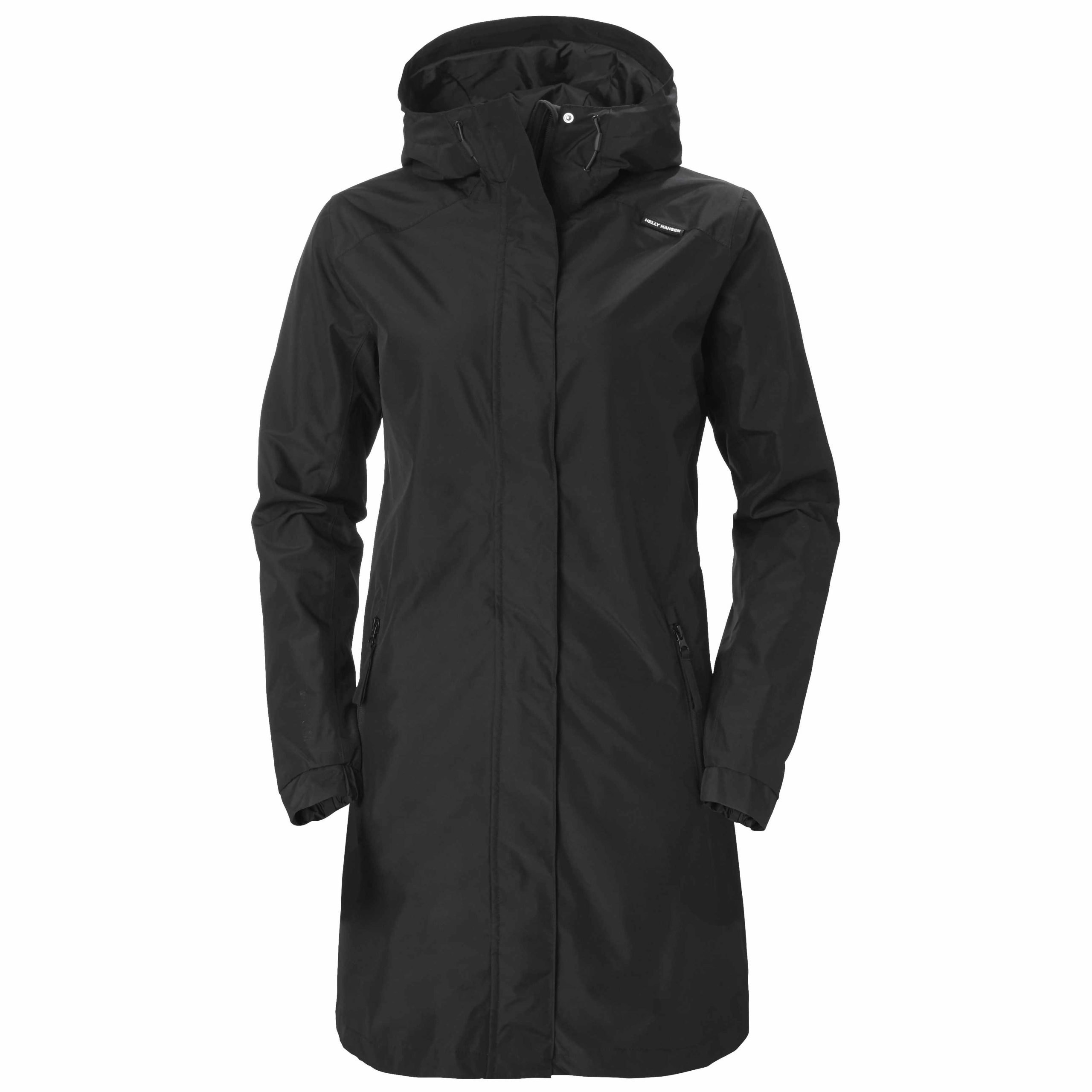
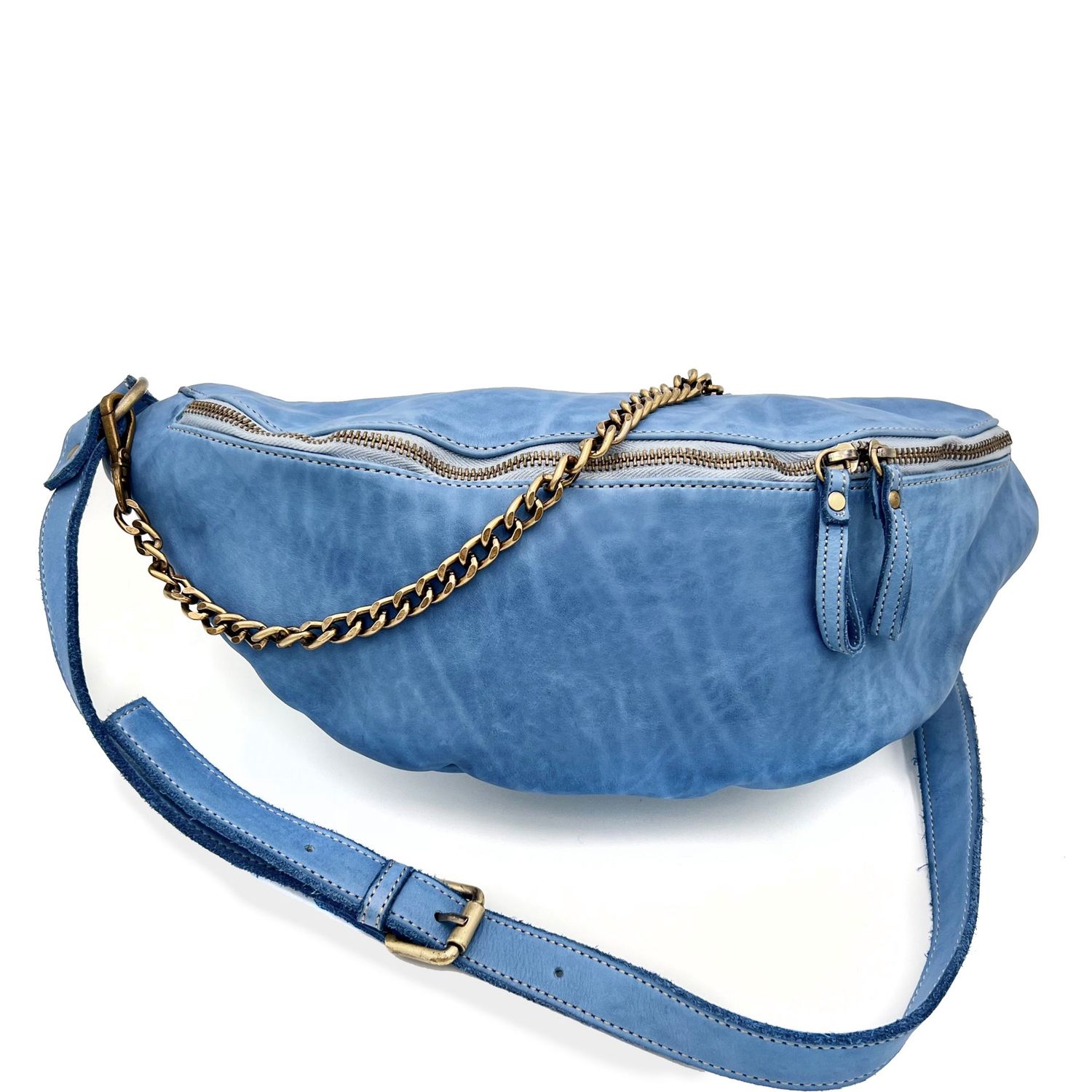
Thread of Life Thrift Store likely offers a diverse and constantly evolving inventory of secondhand merchandise that serves both practical needs and the store’s charitable mission. While specifically categorized under “Plus Size Fashion,” suggesting a strong selection of inclusive sizing options, the store probably maintains a comprehensive clothing department spanning men’s, women’s, and children’s apparel for all ages, sizes, and occasions. This clothing selection would include everyday casual wear, business and interview-appropriate attire, seasonal items, outerwear, shoes, and accessories—providing affordable options for diverse customer needs while ensuring dignity and quality in the secondhand shopping experience. Beyond clothing, the store likely features a household goods section offering kitchenware, small appliances, decorative items, and practical home essentials that help individuals and families establish or maintain comfortable living environments regardless of financial circumstances. The furniture department might include both essential pieces for basic living needs and specialty items that generate higher revenue for the Mission’s programs. A potential books, media, and entertainment section would offer affordable access to educational and recreational materials, while a seasonal department would feature rotating holiday decorations, gift items, and weather-appropriate merchandise throughout the year. As part of the Rescue Mission’s faith-based approach, the store might include a modest selection of religious or inspirational items that align with their spiritual mission. The store potentially offers specially curated sections of premium or collectible merchandise that generates higher revenue while attracting a diverse customer base beyond those shopping primarily for economic reasons. This thoughtfully organized merchandise mix serves the dual purpose of meeting community needs for affordable goods while maximizing the financial support generated for the Rescue Mission’s extensive community service programs throughout the Utica area.
Mission Connection
Thread of Life Thrift Store maintains a profound connection to the Rescue Mission of Utica, functioning as both a funding source and practical extension of the organization’s comprehensive community services. Founded in 1890, the Rescue Mission operates as a faith-based, nonprofit organization providing 24/7 support to individuals facing homelessness, addiction, abuse, and disability throughout the Mohawk Valley. Every purchase at Thread of Life directly contributes to funding these vital services, creating a tangible link between everyday shopping and profound community transformation. The store’s operations align with the Mission’s stated commitment to “assess and meet the physical, emotional and spiritual needs of all people coming for assistance,” extending this holistic approach to both the shopping experience and the community impact of each transaction.
Beyond financial support, Thread of Life likely serves multiple functional roles within the Rescue Mission’s service ecosystem. The store potentially provides clothing and household necessities directly to program participants preparing to transition to independent living, creating dignified access to essential items. It may offer job training and employment opportunities for individuals in recovery or transitioning from homelessness, developing crucial workplace skills in a supportive environment. The retail space could serve as a community connection point where diverse populations interact with the Mission’s work, potentially sparking further involvement through volunteering, donations, or advocacy. For economically disadvantaged community members not enrolled in specific Mission programs, the store provides affordable access to necessities that stretch limited budgets. This multifaceted connection between store and mission creates a retail environment where shopping becomes an act of community support, volunteering becomes meaningful skill development, and donations become instruments of personal transformation for vulnerable individuals. By integrating commercial and charitable functions, Thread of Life exemplifies the Rescue Mission’s holistic approach to addressing complex social challenges through practical, dignity-affirming services that extend beyond immediate crisis intervention to support sustainable personal transformation.
Community Impact
Thread of Life Thrift Store generates multilayered community impact that extends well beyond typical retail operations. As an extension of the Rescue Mission of Utica, the store contributes directly to impressive service statistics highlighted in their materials, including providing thousands of hot meals to homeless and underprivileged individuals, nights of care at their 59-bed Emergency Shelter for men, and residential support through their 25-bed Addiction Stabilization Center. Every purchase at Thread of Life feeds into this ecosystem of care, creating a direct connection between consumer choices and tangible community support. The store’s affordable pricing ensures that individuals and families with limited resources can access quality clothing and household goods with dignity, extending the Mission’s support to community members who may not participate in their formal programs.
The store’s environmental impact further enhances its community benefit by diverting usable goods from landfills through donation collection and resale, promoting sustainable consumption practices that align with growing ecological awareness. For donors, the store provides a convenient, tax-deductible option for responsibly passing along unwanted items while supporting a respected local charity with a long history of community service. The “Stories of Hope” highlighted in the Mission’s materials—featuring individuals who have overcome homelessness, addiction, and spiritual emptiness—represent the ultimate impact of Thread of Life’s operations, as store proceeds support the comprehensive services that facilitate these profound personal transformations. Through special events like their “Large Giveaway” and “Small Home Giveaway,” the store likely participates in exceptional distribution initiatives that provide substantial assistance to families in particular need. By operating at the intersection of retail, charity, environmental stewardship, and personal transformation, Thread of Life creates a distinctive community impact model where everyday transactions become meaningful contributions to addressing complex social challenges throughout the Mohawk Valley region.
Shopping Experience
Thread of Life Thrift Store has cultivated a distinctive shopping experience that balances thrift store value with quality, organization, and mission-driven purpose, as evidenced by their strong 4.5-star rating. Operating Thursday through Saturday from 9:00 AM to 4:00 PM, the store provides consistent, accessible hours for weekend shoppers while allowing necessary time for merchandise processing and store maintenance. The shopping environment likely creates a welcoming atmosphere that dignifies the thrift shopping experience through thoughtful organization, cleanliness, and presentation that elevates secondhand retail beyond stereotypical “rummage sale” associations. Their categorization under “Plus Size Fashion” suggests particular attention to inclusive sizing options that serve diverse body types, addressing a significant gap in many retail environments where extended sizes are limited.
What truly distinguishes the Thread of Life shopping experience is the integration of the Rescue Mission’s purpose throughout the store, potentially through signage, information displays, or interaction with staff and volunteers who can articulate how purchases support community transformation. The store likely employs merchandising approaches that balance treasure-hunting discovery with practical organization, creating both efficient shopping for those with specific needs and enjoyable browsing for those seeking unexpected finds. Pricing is presumably structured to maintain affordability while generating meaningful revenue for the Mission’s programs, with potential premium sections for higher-value items that attract diverse customer demographics. The staff and volunteer presence likely combines retail efficiency with mission-driven warmth, creating interactions that communicate value beyond transactions. Their impressive review rating suggests consistent execution of this balanced approach, where customers feel good about both the practical value they receive and the community impact of their purchases. This distinctive experience transforms routine shopping into meaningful participation in local community support, creating customer loyalty that transcends conventional retail relationships through shared commitment to the Rescue Mission’s transformative work.
Volunteer Engagement
Thread of Life Thrift Store likely operates with significant volunteer support, reflecting the Rescue Mission’s invitation to community members to “Donate, volunteer, or get help today!” This volunteer engagement creates multiple benefits: expanding operational capacity beyond what paid staffing alone could accomplish, providing meaningful service opportunities for community members seeking to contribute their time and skills, and reducing overhead costs to maximize revenue for mission programs. Volunteers presumably perform various essential functions including sorting and processing donations, pricing merchandise, creating displays, assisting customers, and handling transactions. The three-day operating schedule (Thursday through Saturday) potentially allows dedicated time for volunteer teams to process incoming donations and prepare the store for public shopping days.
The volunteer experience at Thread of Life likely extends beyond task completion to meaningful connection with the Rescue Mission’s purpose. Volunteers could receive orientation to the Mission’s comprehensive services, understanding how their store contributions support individuals experiencing homelessness, addiction recovery, and financial hardship. This context transforms routine retail tasks into meaningful participation in community transformation, creating volunteer retention and engagement that benefits both the individual contributors and the organization. For some volunteers, particularly retired individuals or those seeking to develop workplace skills, the store might provide structured roles with increasing responsibility that offer personal growth alongside community service. The Mission might also incorporate program participants into appropriate volunteer roles as part of skills development and workforce reentry preparation, creating a supportive environment for building confidence and references. Through thoughtful volunteer management that balances operational needs with meaningful engagement, Thread of Life likely creates a community within the store that extends the Mission’s impact beyond financial support to include purposeful involvement for diverse community members seeking to contribute to positive social change through practical service.
Donation Process
Thread of Life Thrift Store presumably maintains a well-organized donation process that balances donor convenience with quality control necessary for effective store operations. The donation system likely includes clear guidelines about accepted items—focusing on gently used, clean, functional merchandise while specifying categories that cannot be accepted due to safety, legal restrictions, or practical limitations. Convenient drop-off options during designated hours would allow community members to easily contribute items, potentially with assistance available for unloading larger donations. As part of a faith-based organization with deep community roots, the store might complement regular donation drop-offs with special collection drives, possibly partnering with churches, businesses, or community organizations to gather specific high-need items seasonally.
The donation process probably incorporates important operational elements that support both donors and the Mission’s work. Tax receipts would be provided to acknowledge contributions, offering donors documentation for potential tax deductions while expressing appreciation for their support. A preliminary sorting system would direct incoming items to appropriate processing areas, ensuring efficient handling based on category, condition, and potential value. Quality assessment procedures would maintain merchandise standards while responsibly directing unusable items to recycling or appropriate disposal rather than passing unsuitable goods to customers. For high-value or unique donations, the store might implement special handling procedures that maximize revenue potential through research, specialized display, or targeted marketing to interested customers. The donation process potentially includes a mechanism for directing particularly useful items directly to Mission program participants in immediate need, creating an efficient distribution system alongside retail operations. Through this comprehensive donation management system, Thread of Life would transform community contributions into both quality shopping inventory and direct assistance, maximizing the impact of each donated item while providing donors with confidence that their contributions are handled responsibly and used effectively to support the Mission’s extensive community services.
Faith-Based Approach
Thread of Life Thrift Store operates within the context of the Rescue Mission of Utica’s explicitly faith-based framework, described in their materials as a ministry that addresses not only physical and emotional needs but also spiritual ones. This faith orientation likely influences store operations in subtle but meaningful ways that respect diverse customer backgrounds while maintaining the organization’s core identity. The store atmosphere probably incorporates elements of the Mission’s spiritual foundation through appropriate signage, literature availability, or background music choices that create a positive, values-aligned environment without imposing religious participation on customers or volunteers. As part of an organization that shares the “Good News” while meeting practical needs, the store balances its religious identity with inclusive service to all community members regardless of their personal belief systems.
The faith foundation likely shapes operational practices beyond visible religious elements, influencing pricing policies that prioritize accessibility over maximum profit, hiring and volunteer approaches that welcome diverse participants while maintaining mission alignment, and overall business ethics that reflect core values of compassion, integrity, and dignity for all people. The “Stories of Hope” featured in the Mission’s materials frequently reference spiritual transformation alongside practical life changes, suggesting that while the store itself focuses on material needs, it exists within a holistic approach to personal transformation that acknowledges spiritual dimensions of human experience. Staff and volunteers from various faith backgrounds might find common purpose in values-based service that transcends specific theological differences while maintaining the organization’s Christian foundation. This nuanced approach to faith-based operations allows Thread of Life to maintain its distinctive religious identity and connection to supporting churches while creating a welcoming retail environment where customers of all backgrounds can shop with comfort while supporting the Mission’s comprehensive community services. Rather than compartmentalizing the spiritual aspects of their work, the store likely integrates values-based approaches throughout operations, creating consistency between religious identity and practical service that maintains authenticity while respecting the pluralistic community they serve.
Future Direction
Thread of Life Thrift Store appears positioned for strategic development that balances mission effectiveness with retail innovation, building on the Rescue Mission’s 130+ year history of adaptive community service. The store likely envisions expanded impact through increased sales volume that generates additional funding for the Mission’s comprehensive programs while serving more community members with affordable merchandise. Potential sales growth strategies might include expanded marketing efforts that raise community awareness about both shopping opportunities and the store’s mission connection, merchandising innovations that highlight premium or collectible items to attract diverse customer demographics, and potential schedule adjustments that increase shopping access while maintaining necessary processing time for donations.
Beyond basic retail growth, Thread of Life’s future direction might incorporate innovative approaches that enhance both mission impact and operational sustainability. Digital expansion through strategic social media presence or limited e-commerce for specialty items could extend their reach while maintaining focus on the physical store experience. Enhanced volunteer programs might develop specialized teams with particular merchandising expertise in areas like vintage clothing, collectibles, or furniture restoration that could increase item values while providing meaningful engagement for skilled volunteers. Collaborative initiatives with local businesses, designers, or artists could create upcycling or repurposing projects that transform donated items into higher-value merchandise while promoting creative reuse. Educational components around sustainable consumption, thoughtful donation practices, or the Mission’s community impact could enhance the shopping experience while deepening customer connection to the store’s purpose. Special events like seasonal sales, themed displays, or after-hours fundraising activities might generate both additional revenue and community engagement opportunities. Through these multifaceted approaches to future development, Thread of Life can continue evolving as both an effective funding source for the Rescue Mission’s essential programs and a community resource that promotes sustainable consumption while providing affordable goods to diverse customers throughout the Mohawk Valley region.