About the Store
Fil de Fer is an exclusive boutique and webshop specializing in French vintage treasures, located in the heart of Copenhagen, Denmark. Founded with a passion for authentic French antiques and vintage items, the store has established itself as a premier destination for discerning collectors and interior enthusiasts seeking unique pieces with genuine European heritage. The name “Fil de Fer,” meaning “wire” in French, hints at the delicate balance the store achieves between refined elegance and industrial character—a signature aesthetic that defines their carefully curated collection. Their Copenhagen location on Store Kongensgade serves as both a retail space and a sensory experience, inviting visitors to step into what they poetically describe as “the most exquisite piece of France” and allowing themselves to be seduced by “uncompromising French vintage.”
What distinguishes Fil de Fer in the competitive vintage and antique market is their highly selective curation process and direct sourcing from France. Rather than accumulating random vintage items, the store’s team regularly travels throughout France to hand-pick extraordinary pieces with authentic character and history. This methodical sourcing approach ensures each item in their collection—whether furniture, lighting, or decorative accessories—possesses the distinctive patina and craftsmanship that genuine French vintage is celebrated for. The store embraces what they describe as “the intersection between romantic elegance and raw industrial expression,” creating a distinctive aesthetic that appeals to those seeking pieces with both refined beauty and character-rich imperfections that tell stories of their past lives in French homes, châteaux, or workshops.
Beyond being simply a retail outlet, Fil de Fer functions as a cultural bridge between Scandinavian and French design sensibilities, bringing the romantic allure of “bygone France” to the clean, modern context of Copenhagen. Their approach acknowledges the ongoing Scandinavian appreciation for French aesthetics while providing access to authentic pieces rather than reproductions or interpretations. The company maintains both a physical store and a comprehensive online presence, allowing customers throughout Denmark and beyond to access their collection. Their website showcases new arrivals with detailed photography and descriptions, while their showroom offers an immersive environment where customers can experience the scale, texture, and presence of these unique items firsthand. This dual-channel approach positions Fil de Fer as both a local Copenhagen destination and an international resource for those seeking to incorporate authentic French vintage character into contemporary interiors.
Departments and Products:
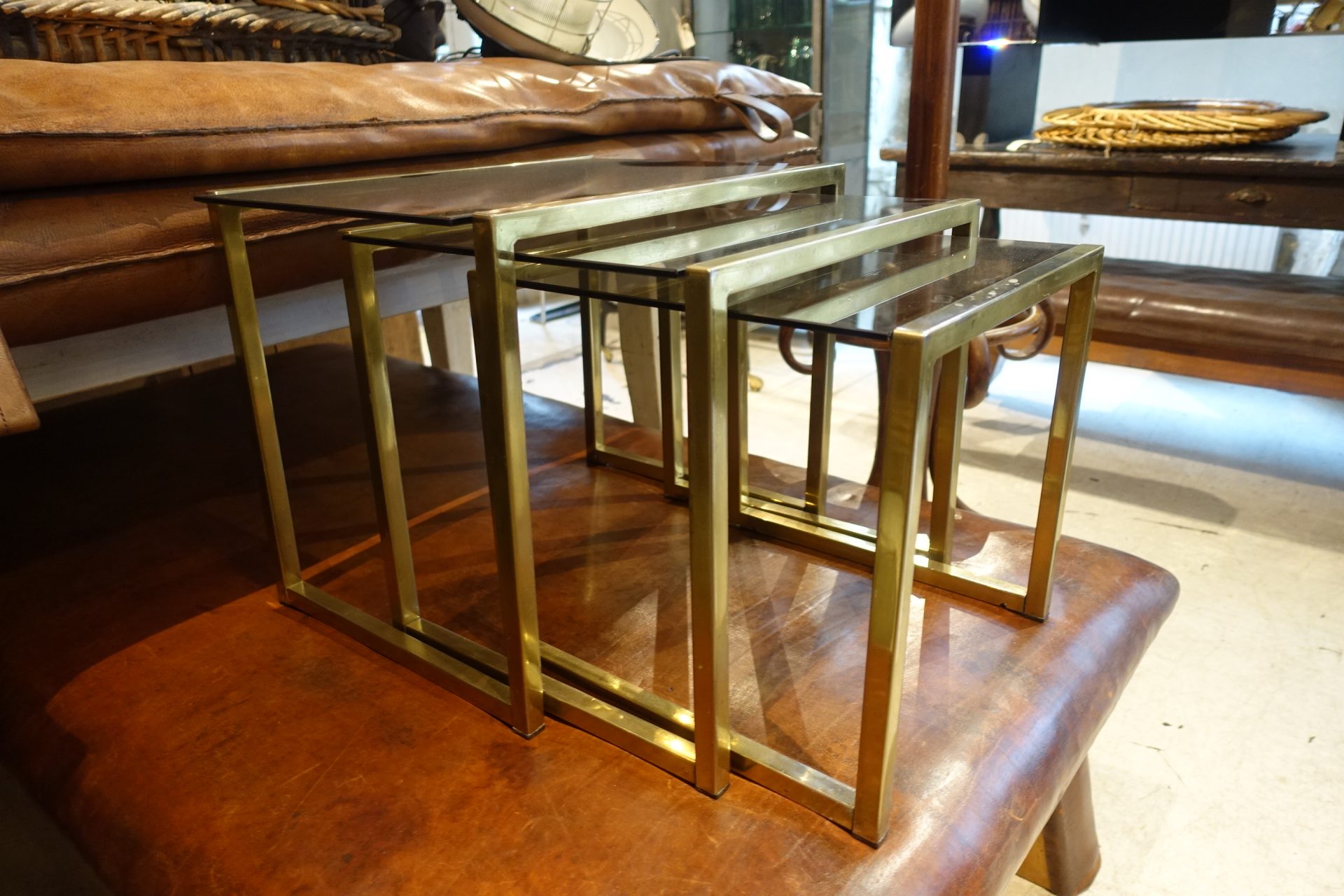
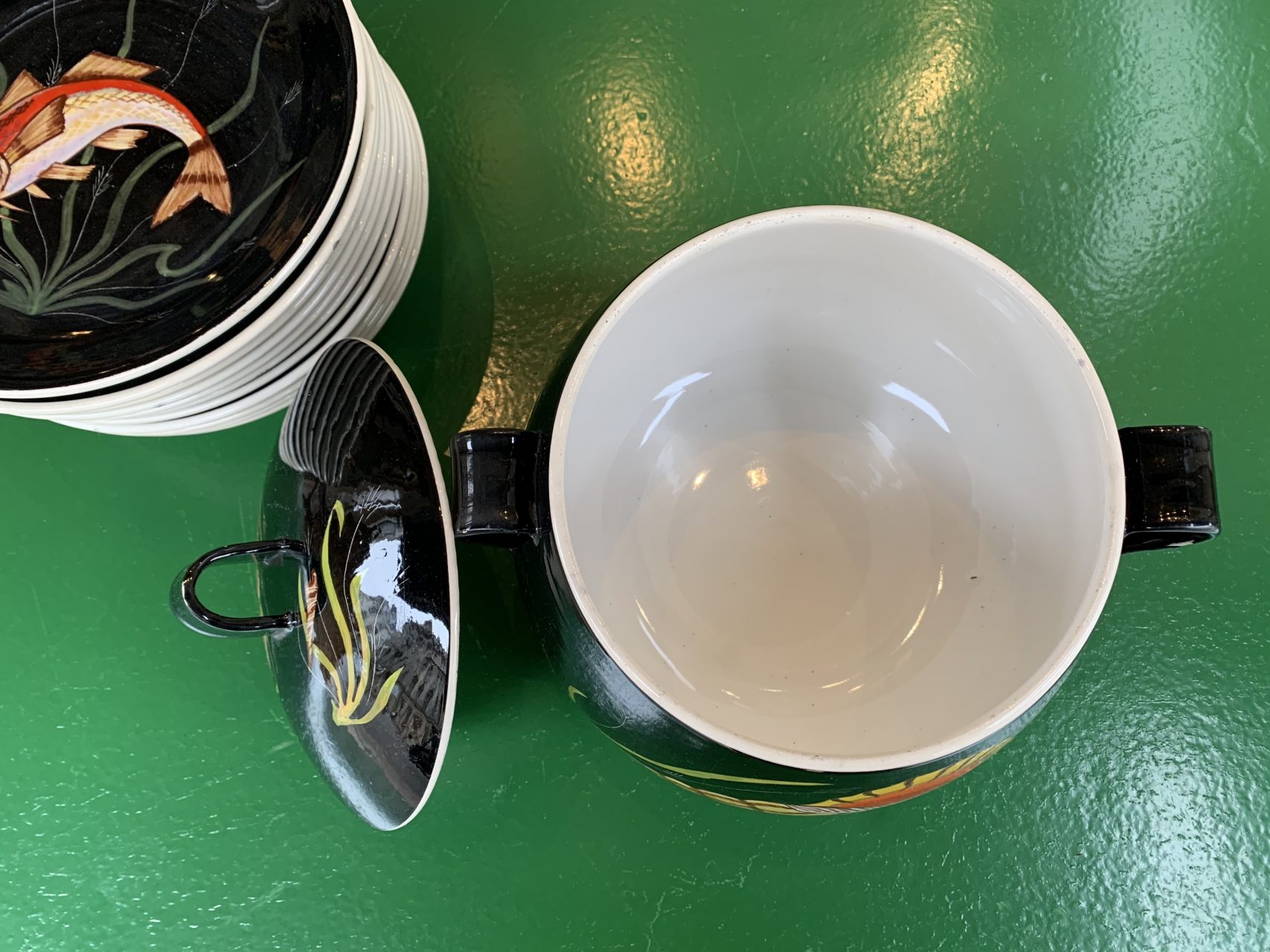
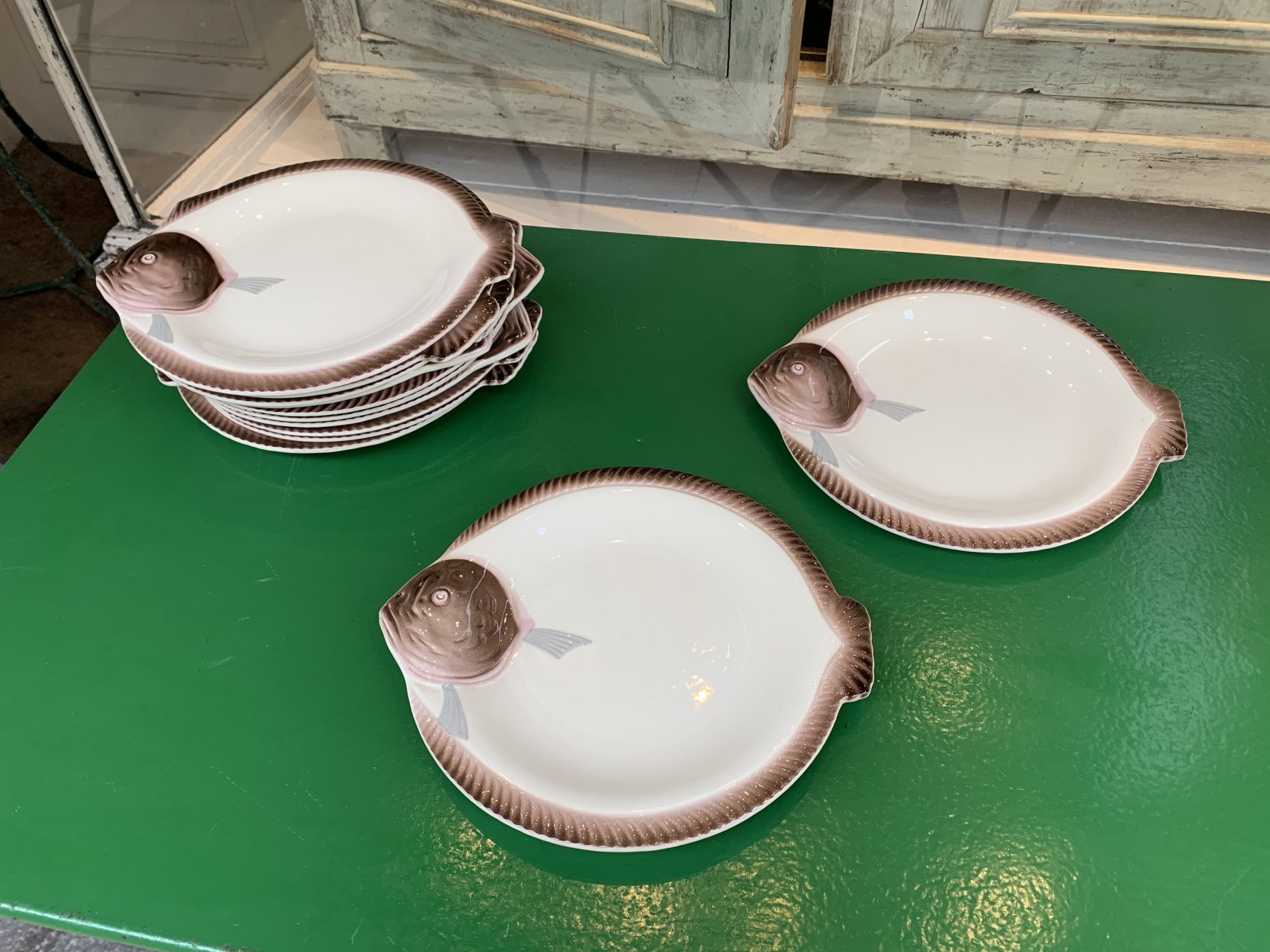
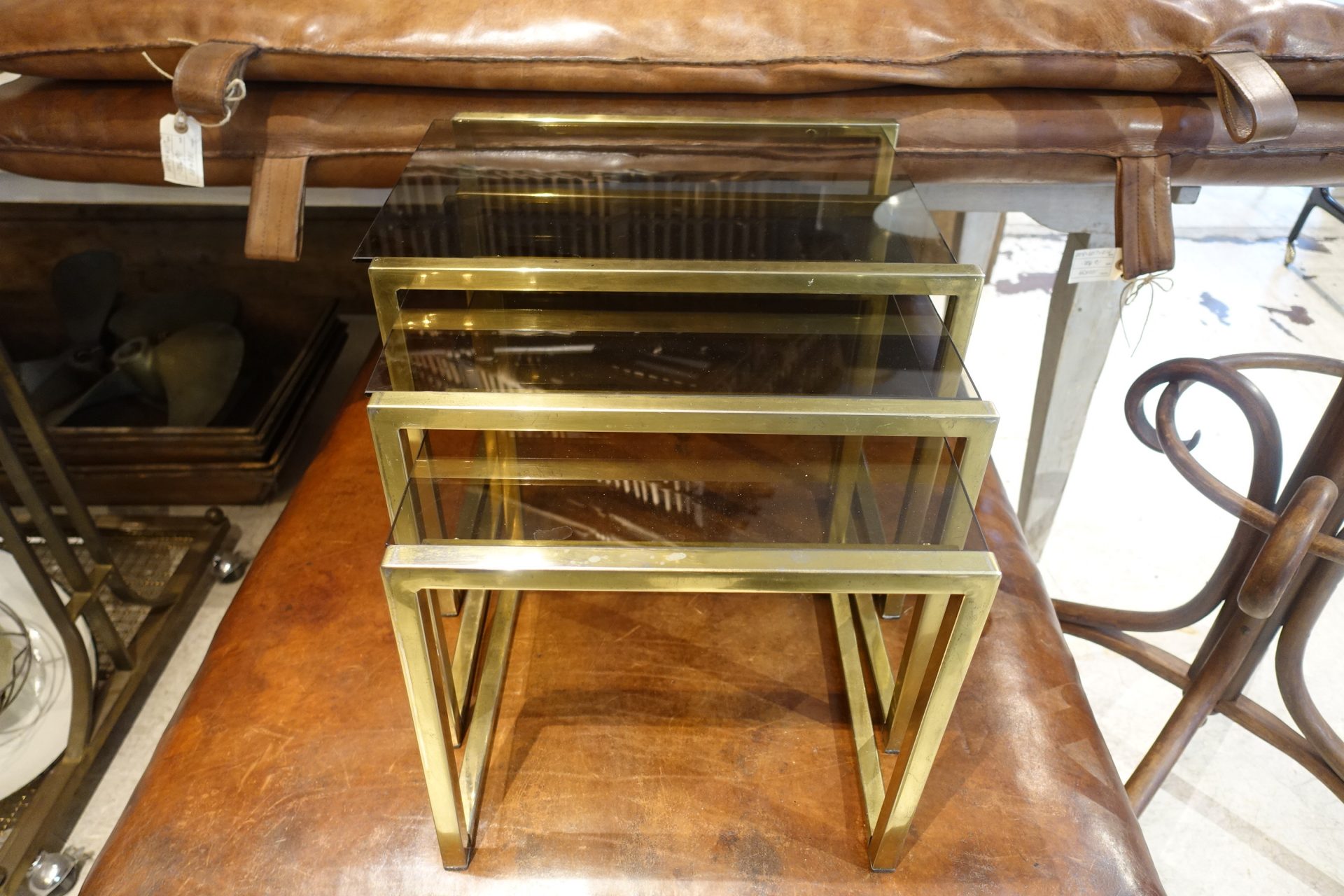
Fil de Fer offers a comprehensive collection of French vintage treasures organized into several distinct categories, each showcasing different aspects of French decorative heritage. Their furniture department represents a significant portion of their inventory, featuring hand-selected antique and vintage pieces including tables in various styles from rustic farmhouse to refined dining; chairs ranging from bistro classics to statement armchairs; elegant console tables that blend decorative form with function; and characterful commodes and storage pieces that serve as both practical furnishings and artistic statements within interior spaces. The lighting section highlights France’s rich tradition of illumination design, offering distinctive antique and vintage lamps with unique bases and shades; ceiling fixtures including chandeliers and pendants that make dramatic architectural statements; industrial lanterns and projectors repurposed from commercial or institutional settings; and complementary lighting accessories that complete the atmospheric possibilities. Their interior accessories department includes a diverse array of decorative objects that add authentic French character to spaces: dimensional letters salvaged from signage; “fattigmandssølv” (poor man’s silver) pieces that offer the elegance of silver with the distinctive patina of pewter or tin; decorative vessels and containers in various materials; and an ever-changing selection of unique decorative objects that can serve as conversation pieces or finishing touches within carefully designed interiors. The tableware collection celebrates France’s renowned culinary culture through vintage dining pieces: drinking glasses ranging from everyday tumblers to specialized stemware; serving pieces for various functions; the iconic café au lait bowls that represent quintessential French breakfast tradition; and plates in various sizes including the recently added deep plates (205971, 205928), dinner plates (205965, 205950), and lunch plates (205951) priced at 200 DKK each, alongside specialty serving pieces like sauce boats (205937) and terrines (205935) that enable authentic French dining presentations. Their garden department extends the French aesthetic outdoors with weathered garden furniture that brings patinated elegance to exterior spaces; traditional garden planters and containers that develop character with age; vintage gardening tools that combine functionality with rustic charm; and zinc architectural elements and containers that develop distinctive verdigris patination over time. Throughout these departments, Fil de Fer emphasizes one-of-a-kind pieces with authentic heritage, meaning their inventory constantly evolves as new items arrive from their French sourcing expeditions, encouraging customers to visit regularly or subscribe to updates to discover the latest treasures.
French Heritage and Aesthetic
Fil de Fer’s entire business concept revolves around what they poetically describe as “Drømmen om det svundne Frankrig” – the dream of bygone France. This nostalgic vision guides their curation and presentation, focusing on authentic pieces that embody the romantic allure of French heritage rather than merely imitating French style. The store celebrates both the refined elegance associated with traditional French design and the raw industrial character found in utilitarian French objects that have gained aesthetic appreciation with time. This duality creates a distinctive aesthetic position “in the intersection between romantic elegance and raw industrial expression,” allowing them to offer varied interpretations of French vintage that can complement different interior styles. Their approach honors the patina and imperfections that come with genuine age and use, viewing these characteristics as essential elements that contribute to each piece’s authenticity and narrative value rather than flaws to be eliminated. This respect for authentic aging distinguishes their offerings from new reproductions designed to appear antique, appealing to customers who value genuine heritage and the subtle tactile and visual qualities that can only develop through actual time and use.
The company’s sourcing methods appear central to maintaining their collection’s authenticity and distinction. Their mention of “continuously receiving new items from France” suggests regular sourcing trips throughout different regions of France, likely including both urban centers and rural areas where different types of vintage items might be discovered. Their purchasing approach presumably involves relationships with French dealers, attendance at French antique markets and brocantes, and potentially direct acquisitions from estates or original owners. This direct sourcing from France creates a continuous renewal of their inventory with authentic pieces that maintain the genuine French character at the core of their brand identity. The hand-selection process mentioned in their description ensures each piece meets their quality and aesthetic standards before being offered to customers, maintaining a consistent level of distinction throughout their varied collection. Their buying philosophy likely balances the acquisition of statement pieces that anchor their collection with smaller decorative objects and accessories that provide more accessible entry points to their aesthetic, creating a merchandising approach that serves both serious collectors and casual customers seeking distinctive accent pieces.
Fil de Fer performs a sophisticated cultural translation function, bridging French decorative traditions with Scandinavian design sensibilities and contemporary lifestyles. Their Copenhagen location places these French vintage pieces within a city renowned for its influential modern design tradition, creating interesting dialogues between different aesthetic approaches and historical periods. Rather than suggesting these French antiques be used in strictly traditional or period-accurate settings, Fil de Fer’s presentation likely demonstrates how these character-rich pieces can integrate with contemporary interiors, complementing rather than competing with modern elements. This approach acknowledges changing living patterns while preserving the distinctive character of French vintage, showing how these pieces can maintain relevance beyond purely historical appreciation. Their Danish name suffix “Cph” (Copenhagen) paired with the French main name “Fil de Fer” symbolizes this cultural bridging, creating a brand identity that honors both the origins of their pieces and their current context. Their participation in events like “3 Days of Design” mentioned on their website further demonstrates this commitment to positioning French vintage within contemporary design conversations rather than isolating it as purely historical or nostalgic. This thoughtful cultural translation makes their offering relevant to design-conscious customers seeking to create layered, character-rich interiors that transcend strict adherence to single periods or national styles.
Business Operations
Fil de Fer maintains a physical retail presence at Store Kongensgade 83A in central Copenhagen, creating a destination shopping experience for lovers of French vintage. This brick-and-mortar location allows customers to experience their unique pieces firsthand—appreciating dimensions, patinas, construction details, and tactile qualities that cannot be fully conveyed through digital images. The store likely serves as a carefully composed environment where items are arranged to inspire and demonstrate how different pieces might work together in residential settings. Beyond their regular retail operation, they also maintain a showroom at Niels Hemmingsensgade 32A, which operates by appointment only, suggesting a more personalized presentation space for special pieces or client consultations. This dual physical presence indicates a commitment to creating immersive brand experiences that complement their digital presence. Their physical locations likely function as both commercial spaces and brand ambassadors, offering tangible connections to their aesthetic vision that deepen customer relationships and distinguish them from purely online vintage retailers. The in-person shopping experience probably includes knowledgeable staff guidance on each item’s provenance, condition, and distinctive features, adding educational value that enhances appreciation for these heritage pieces.
Complementing their physical locations, Fil de Fer operates a comprehensive e-commerce platform that extends their reach beyond Copenhagen to customers throughout Denmark and internationally. Their website functions as both a digital storefront displaying their current inventory and a brand communication channel that conveys their distinctive aesthetic and sourcing philosophy. The online shop appears thoughtfully structured with clear categorization by product type (furniture, lighting, interiors, tableware, garden) and subcategories that facilitate intuitive browsing. Each item receives detailed presentation with product numbers (like the recently added tableware items numbered 205971, 205965, etc.), pricing in Danish Kroner, and presumably descriptive information and multiple photographs that showcase condition and details. The site emphasizes new arrivals, acknowledging the constantly evolving nature of their one-of-a-kind inventory and encouraging repeat visits to discover fresh finds. Their multilingual options (Danish/English) and currency alternatives (DKK/EUR) indicate openness to international customers, extending their market beyond Denmark. The e-commerce operation includes structured shipping options with different tiers based on order value, purchase location, and delivery preferences, demonstrating a systematic approach to the logistical challenges inherent in shipping antique and vintage items safely.
Fil de Fer’s customer service approach balances the personalized attention expected with premium vintage items and the systematic processes necessary for efficient business operations. Their website prominently displays contact information, including phone (+45 33 32 32 46) and email ([email protected]), encouraging direct communication for inquiries about specific products, shipping questions, or service needs. Their shipping policy demonstrates thoughtful accommodation of different customer situations, offering four distinct options: delivery with Fil de Fer’s own freight service within Denmark (free for purchases over 5,000 DKK); international shipping with customized solutions based on customer needs; in-store pickup for local customers; and customer-arranged transport for those with specific shipping preferences or requirements. This flexible approach acknowledges the varied circumstances of their clientele while providing structured options that maintain operational efficiency. Their showroom’s appointment-based model suggests a willingness to provide personalized consultation for serious buyers, creating premium experiences for significant purchases. While not explicitly stated, their long-standing presence in the competitive Copenhagen retail landscape suggests they likely maintain relationships with interior designers, architects, and decorators who may incorporate their pieces into professional projects, potentially offering trade services to these professional partners.
Market Positioning and Client Relationships
Fil de Fer has positioned itself within the premium segment of the vintage and antique market, focusing on quality and authenticity rather than competing primarily on price. Their description as an “exclusive boutique” and emphasis on “uncompromising French vintage” establishes their commitment to superior quality and distinctive character rather than mass-market appeal. This premium positioning appears supported by their selective curation process, direct French sourcing, and emphasis on genuine heritage pieces rather than reproductions or broadly defined “vintage-inspired” items. Their pricing structure, while not explicitly detailed beyond the tableware examples (200-900 DKK), likely reflects this quality-focused approach with values commensurate with the authenticity, condition, and distinctive character of each piece. The shipping threshold of 5,000 DKK for free delivery within Denmark further suggests they regularly handle transactions at this level and above. Rather than competing with mass-market retailers or broadly defined secondhand stores, Fil de Fer appears to occupy a specialized niche serving design-conscious customers who value provenance, authenticity, and distinctive character in their interior furnishings and are willing to invest accordingly in pieces with genuine heritage.
While not explicitly defined in their available information, Fil de Fer’s distinctive aesthetic and premium positioning suggests they primarily serve design-conscious consumers with appreciation for heritage pieces and the means to invest in quality furnishings. Their client base likely includes homeowners seeking statement pieces with authentic character for residential interiors; interior designers and decorators incorporating distinctive vintage elements into client projects; hospitality businesses (boutique hotels, restaurants, cafes) creating atmosphere through authentic vintage pieces; visual merchandisers and retail designers utilizing French vintage for commercial environments; and collectors with specific interest in French decorative arts and furnishings. Their operation of both physical stores and online shopping accommodates different client preferences, from those who value in-person experience and guidance to those seeking convenience or access from distant locations. The multilingual website options (Danish/English) and alternative currency displays (DKK/EUR) indicate service to both local Danish customers and international clients, potentially including second-home owners in Denmark, expatriates seeking distinctive furnishings, and international design enthusiasts attracted to their curated selection of authentic French pieces. This diverse yet discerning clientele shares appreciation for quality, authenticity, and distinctive character rather than being unified by specific demographic characteristics.
Fil de Fer appears to employ several approaches to building enduring client relationships that extend beyond individual transactions. Their invitation to “stay updated about our newest items here” suggests a communication strategy that maintains connections with past customers through updates about fresh inventory, acknowledging the evolving nature of their one-of-a-kind offerings and encouraging repeat engagement. Their physical showroom operating by appointment creates opportunities for personalized interactions with serious buyers, building relationships through individual attention and expert guidance. The shipping options demonstrate flexibility in meeting different customer needs, from providing their own delivery service to accommodating customer-arranged transport, creating positive experiences through solution-oriented service. Their participation in design events like “3 Days of Design” mentioned on their website suggests community engagement within Copenhagen’s design ecosystem, connecting with potential clients through cultural activities rather than purely commercial interactions. While not explicitly stated, their long-standing presence and specialized niche likely fosters word-of-mouth recommendations among design-conscious communities, creating network effects where satisfied customers become brand ambassadors within their social and professional circles. These relationship-building approaches likely contribute to a loyal customer base that values the consistent quality and distinctive character of Fil de Fer’s offerings and returns for new discoveries as their collection evolves.
Danish Design Context
Fil de Fer’s location in central Copenhagen places it within one of Europe’s most significant design capitals, known globally for its influential modernist furniture, architecture, and applied arts. Their Store Kongensgade address positions them in a historic yet fashionable district of Copenhagen, surrounded by other design-focused businesses, galleries, and creative enterprises that collectively create a destination for design enthusiasts. This location likely benefits from both local foot traffic and design-oriented tourism, as Copenhagen attracts visitors specifically interested in its design heritage and contemporary creative scene. Operating within this design-conscious environment, Fil de Fer contributes a distinctive perspective by introducing authentic French vintage elements into a city more commonly associated with Danish Modern design and contemporary Scandinavian aesthetics. This juxtaposition creates interesting dialogues between different national design traditions and historical periods, offering Copenhagen residents and visitors alternatives to the predominant local design language while maintaining quality standards consistent with the city’s appreciation for craftsmanship and materiality.
Fil de Fer occupies an interesting position at the intersection of Scandinavian and French design sensibilities, bringing together two of Europe’s most influential decorative traditions. Rather than attempting to replicate Danish design or completely transport French environments to Copenhagen, their approach appears to acknowledge the potential for these different aesthetic traditions to complement each other in contemporary contexts. This fusion likely appeals to Danish customers who appreciate their own design heritage but seek to incorporate diverse elements that prevent interiors from feeling formulaic or overly homogeneous. The French pieces, with their often ornate details and romantic qualities, offer interesting counterpoints to the clean lines and restrained ornamentation typical of Scandinavian design, creating tension and balance when thoughtfully combined. Practical considerations like scale and proportion might influence their selection process, as French furniture must function within typically Danish architectural contexts with different spatial dimensions and lighting conditions than their original settings. The store likely demonstrates through their merchandising how these French pieces can integrate successfully within Scandinavian environments, showing how seemingly contrasting traditions can create dynamic and distinctive interiors when thoughtfully combined.
Fil de Fer’s business model reflects the sophisticated Danish appreciation for international design influences and quality craftsmanship regardless of national origin. Their focus on authentic French vintage acknowledges the long-standing Danish interest in French culture and aesthetics, which has influenced Danish decorative arts throughout various historical periods. Rather than promoting nationalistic design perspectives that prioritize locally-produced items, the store embodies the cosmopolitan Danish approach that values quality and character regardless of geographic origin. Their emphasis on hand-selected pieces with genuine heritage aligns with Danish cultural values around authenticity, craftsmanship, and material quality that transcend trends or mass production. The store likely attracts customers who approach interior decoration with a curator’s perspective rather than seeking coordinated “total looks,” reflecting the Danish tendency toward personalized environments that evolve organically rather than adhering to rigid stylistic formulas. Fil de Fer’s presence within Copenhagen’s design ecosystem demonstrates how international influences continue to enrich Danish design culture, creating dialogue and exchange rather than isolation or rigid adherence to purely local traditions. This cultural openness has historically strengthened rather than diluted Danish design identity, allowing it to evolve and remain relevant through thoughtful incorporation of diverse influences.
Sustainability and Cultural Preservation
Though not explicitly marketed as an environmentally motivated business, Fil de Fer’s focus on vintage and antique pieces inherently contributes to sustainable consumption practices by extending the lifecycle of existing objects rather than encouraging production of new goods. Their business model exemplifies circular economy principles by recirculating quality items with substantial remaining useful life, preventing premature disposal of durable goods that might otherwise enter waste streams. The emphasis on well-crafted heritage pieces with proven longevity contrasts with contemporary “fast furniture” approaches that prioritize novelty and affordability over durability and timeless design. By highlighting the continuing relevance and desirability of pieces created decades or even centuries ago, Fil de Fer demonstrates how quality craftsmanship and thoughtful design can transcend trends and maintain utility and appeal across generations. This approach to consumption—investing in fewer, better things with lasting value—aligns with evolving perspectives on sustainable living without requiring explicit “green” messaging that might feel incongruent with their heritage-focused brand identity.
Beyond environmental considerations, Fil de Fer performs important cultural preservation work by salvaging, documenting, and circulating physical artifacts that embody French decorative traditions and craftsmanship practices. Each piece in their collection represents tangible cultural heritage that might otherwise be lost through disposal, damage, or neglect without their intervention as knowledgeable intermediaries who recognize value where others might not. Their curatorial approach likely includes research and documentation about the origins, techniques, and historical contexts of their pieces, preserving not just physical objects but the knowledge surrounding them. By introducing these heritage pieces to new audiences in Denmark and beyond, they extend appreciation for traditional French craftsmanship and design principles beyond their original geographic and temporal contexts. This cultural preservation function creates particular value for distinctive regional French styles or traditional craft techniques that might be fading in contemporary production, maintaining diversity in material culture rather than allowing global homogenization to erase distinctive local traditions.
In an era of mass reproduction and “vintage-inspired” design that borrows aesthetic elements without the associated craftsmanship or materials, Fil de Fer’s commitment to authentic French vintage pieces represents a countercurrent that maintains the value of originality and genuine heritage. Their emphasis on uncompromising authenticity educates consumers about the qualitative differences between original pieces with genuine patina and history versus contemporary replicas designed to simulate aged appearances through artificial processes. This focus on authenticity creates market value for preservation rather than replacement, potentially encouraging broader appreciation for maintaining and restoring existing quality pieces rather than discarding them in favor of new items. Their curatorial approach likely highlights the distinctive construction techniques, material qualities, and design details that distinguish genuine French vintage, developing customer appreciation for subtle characteristics that might otherwise go unrecognized. By connecting consumers with authentic pieces that carry real historical narratives and evidence of past lives, Fil de Fer creates commercial value for cultural authenticity while enriching customers’ relationships with their material environments through objects that embody genuine heritage rather than merely simulating it.
Contact Information
Email: [email protected]
Website: www.fildefercph.com
Social Media: Follow Fil de Fer on Instagram @fildefercph and Facebook @FilDeFerCph for new arrivals, styling inspiration, and special events.