
Access and Accessibility
FlexFit Sportwear demonstrates a comprehensive commitment to accessibility through thoughtfully designed physical and digital environments that welcome customers with diverse needs and preferences. The company’s Jersey City location features ADA-compliant entrance ways with appropriate ramp access, wide interior pathways that accommodate mobility devices, and adjustable-height customer service counters that serve visitors from both standing and seated positions. The fitting rooms include an accessible option with additional space, supportive seating, and grab bars, ensuring customers using mobility devices can comfortably try on garments. The store’s sensory environment has been thoughtfully calibrated with adjustable lighting options, moderate music volume, and minimal artificial fragrances, creating a comfortable atmosphere for individuals with sensory sensitivities. Staff members receive specific training on assisting customers with various disabilities, focusing on respectful communication, appropriate assistance offers, and modifications to the standard shopping experience when needed.
The brand’s digital presence demonstrates equal attention to accessibility considerations, with the website developed according to WCAG (Web Content Accessibility Guidelines) standards to ensure usability for people with diverse abilities. Key features include keyboard navigation alternatives to mouse-dependent functions, screen reader compatibility with appropriate alt text for images, color contrast optimization for visually impaired users, and caption options for video content. The mobile application extends these considerations with voice command integration, customizable text size options, and simplified navigation paths that accommodate various user needs. The checkout process has been specifically streamlined to minimize complexity for users with cognitive processing differences, with clear error messages and simple correction pathways when input issues arise. These digital accessibility features reflect FlexFit’s understanding that online shopping independence is crucial for many customers with disabilities, particularly those for whom physical store visits present significant challenges.
Beyond technical accessibility features, FlexFit Sportwear has embraced inclusivity through alternative shopping models that accommodate different preferences and needs. The Personal Shopping by Appointment service allows customers to schedule dedicated time slots with staff members, creating quieter, more attentive experiences for those who find standard retail environments overwhelming due to crowds, noise, or attention limitations. Virtual shopping options through video consultation provide complete access to product selection and personalized recommendations for homebound customers or those with transportation challenges. The Remote Try-On program ships selected garments to customers’ homes with prepaid return packaging for unwanted items, allowing private fitting experiences without the potential stress of public changing rooms. These flexible shopping pathways acknowledge that accessibility extends beyond physical accommodations to include different comfort levels with the shopping process itself.
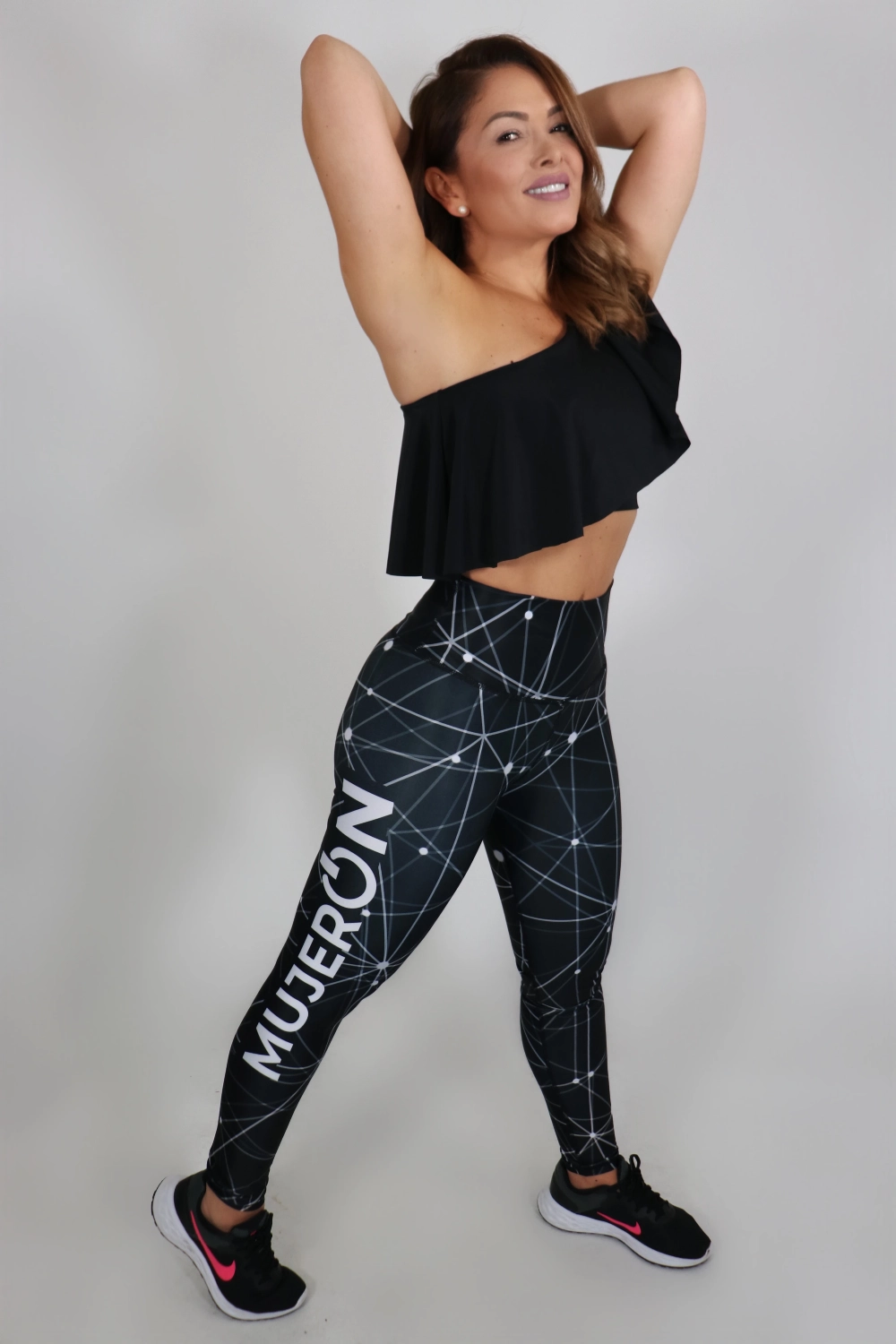
FlexFit Sportwear’s commitment to body diversity represents another crucial dimension of their accessibility philosophy, acknowledging that traditional activewear sizing and marketing often exclude many body types from feeling welcome in fitness contexts. The brand’s adaptive sizing approach, where garments are engineered to comfortably fit multiple traditional size designations, reduces the potential stress and disappointment associated with size fluctuations or inconsistent fit. Marketing materials deliberately showcase models with diverse body types, ages, and fitness levels, creating visual representation that helps all women see themselves as welcome in the fitness community. The product descriptions focus on functionality and benefit language rather than idealized body outcomes, emphasizing how garments support movement and comfort rather than promising specific appearance changes. This approach to marketing and product development creates psychological accessibility by reducing the intimidation and judgment many women associate with activewear shopping, particularly those in larger bodies or early in their fitness journeys.