About the Store
LaSalle Fashion is a distinctive boutique located in the heart of The Hague, Netherlands, offering a carefully curated selection of sustainable fashion for discerning customers. Situated on Prinsestraat, a charming street in the historic center known for its unique independent shops and cultural atmosphere, the boutique contributes to the area’s reputation as a destination for sophisticated shopping beyond mainstream retail experiences. The store’s presence in this vibrant neighborhood places it among a community of creative enterprises, art galleries, and specialty boutiques that collectively create an engaging shopping district appealing to both locals and international visitors exploring The Hague’s distinctive commercial landscape.
As a sustainable fashion retailer, LaSalle Fashion embodies the growing consumer movement toward more conscious and environmentally responsible clothing consumption. The boutique likely focuses on brands and designers who prioritize ethical production methods, sustainable materials, and transparent supply chains, addressing increasing customer concerns about the environmental and social impacts of their fashion choices. This commitment to sustainability represents a significant point of differentiation from conventional fashion retailers, attracting customers who seek to align their personal style with their values regarding environmental stewardship and ethical manufacturing practices. The store’s approach reflects a deeper understanding of contemporary fashion consumers who increasingly view their purchasing decisions as expressions of personal ethics rather than merely aesthetic preferences.
The boutique’s operating schedule, with business hours from Tuesday through Saturday, reflects a balanced approach typical of specialized independent retailers who maintain consistent availability while allowing for adequate preparation and rest periods. These defined hours create reliable access for regular customers while establishing clear expectations that support a sustainable work environment for staff members. The location in The Hague, with its significant international community including diplomats, professionals working with international organizations, and expatriates, provides LaSalle Fashion with a cosmopolitan customer base that appreciates sophisticated, sustainable fashion options with global relevance rather than merely following local trends.
Collections and Offerings:
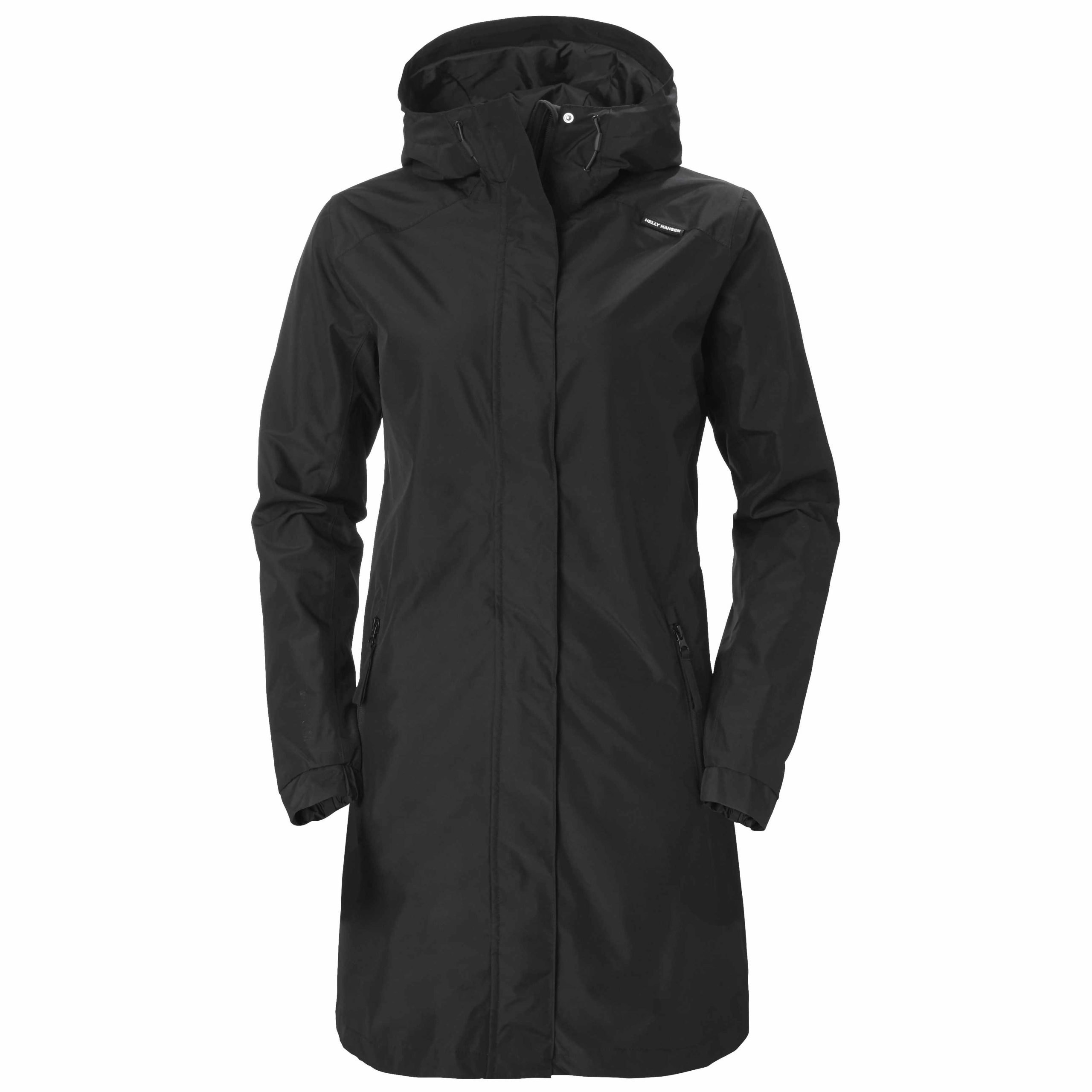
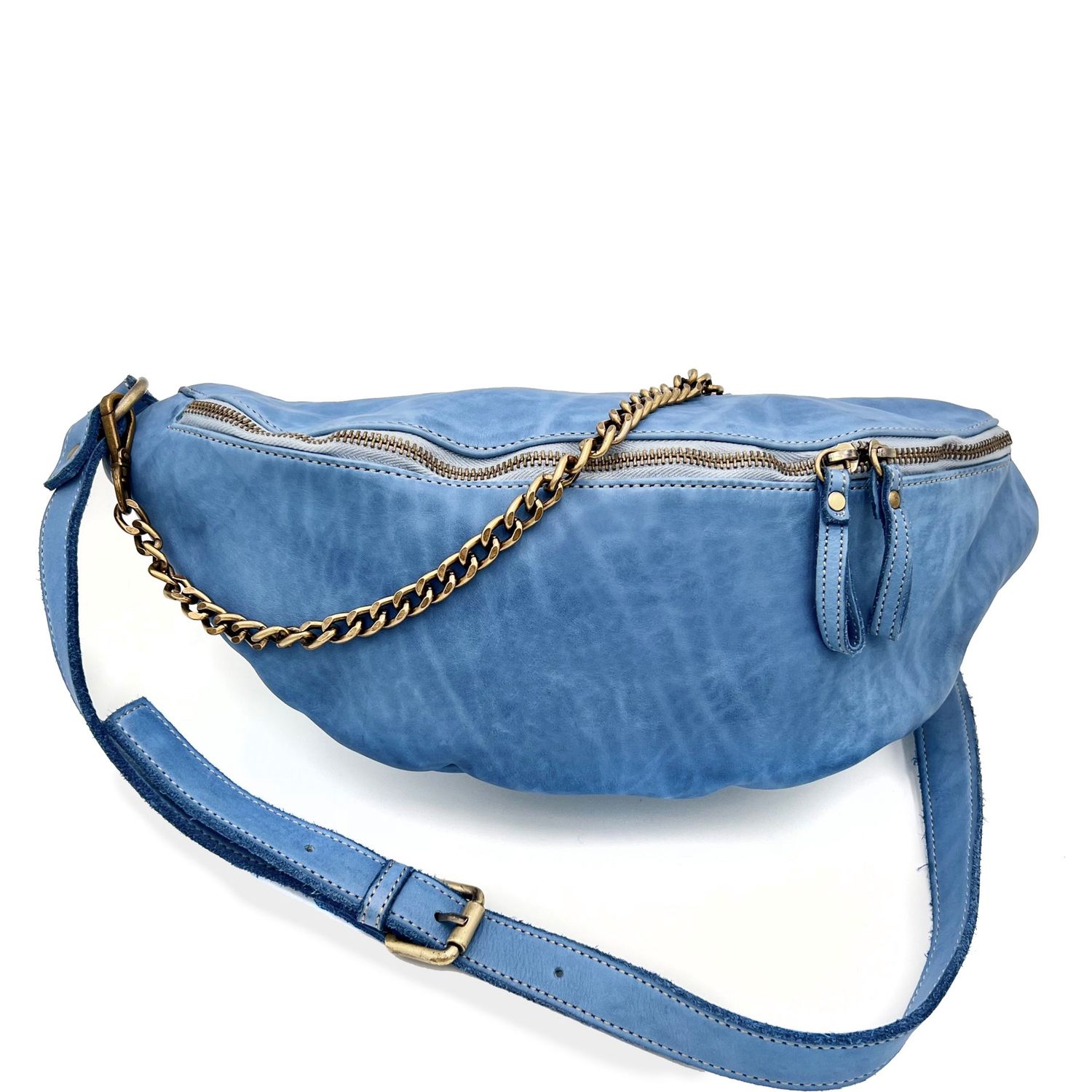
LaSalle Fashion likely presents a thoughtfully curated merchandise selection that balances contemporary design with sustainable production values, offering customers fashion-forward options that don’t compromise on environmental or ethical considerations. The women’s collection probably forms a central component of their offering, featuring versatile separates crafted from eco-friendly fabrics such as organic cotton, responsibly produced linen, recycled polyester, and innovative sustainable textiles derived from natural or reclaimed materials. These garments likely combine modern silhouettes with timeless design elements, creating pieces that transcend fast-changing trends while maintaining contemporary relevance. The store may complement these clothing selections with responsibly produced accessories including handbags made from vegan leather alternatives or upcycled materials, jewelry crafted by artisans using ethical sourcing practices, and scarves or other textile accessories produced through environmentally conscious manufacturing processes. Footwear options might include shoes from brands committed to sustainable production methods, reduced environmental footprints, and fair labor practices throughout their supply chains. The store potentially offers a selection of sustainably produced basics that serve as foundation pieces for versatile wardrobes, including ethically manufactured t-shirts, undergarments, and layering pieces designed for longevity rather than single-season relevance. Special occasion wear may also feature in their collection, providing customers with sophisticated options for professional and social events that align with sustainable values without sacrificing style or quality. Throughout all merchandise categories, LaSalle Fashion likely emphasizes quality construction and materials that support extended garment lifespans, reflecting the sustainable fashion movement’s emphasis on reducing consumption through increased product longevity. The boutique may feature a rotating selection of emerging designers committed to sustainable practices alongside more established ethical brands, creating a dynamic merchandise mix that keeps the store’s offering fresh and engaging for repeat customers while supporting the broader development of sustainable fashion ecosystems.
Special Services
LaSalle Fashion likely enhances the shopping experience through specialized services that complement their sustainable merchandise offerings and reinforce their commitment to conscious consumption. The boutique probably provides personalized styling consultations where knowledgeable staff members help customers build cohesive, versatile wardrobes with sustainable pieces that work together across multiple seasons and occasions. This service supports the sustainable fashion philosophy by emphasizing quality over quantity and encouraging thoughtful purchasing decisions rather than impulsive consumption. The staff likely offers detailed information about the sustainable aspects of their merchandise, educating customers about the materials, production methods, and ethical considerations behind different items and brands, helping shoppers make informed choices aligned with their personal values and priorities.
For regular customers, the store might maintain preference profiles that track size information, style preferences, and previous purchases, facilitating personalized recommendations when new items arrive that match established customer interests. The boutique may offer basic garment care advice to help customers extend the lifespan of their purchases, including guidance on appropriate cleaning methods for sustainable fabrics and repair recommendations that support the extended use of quality pieces. LaSalle Fashion might participate in clothing take-back or recycling initiatives that allow customers to responsibly dispose of worn garments, potentially offering incentives for bringing back items for recycling or responsible disposal. The store could host occasional events such as designer meet-and-greets, sustainable fashion workshops, or educational sessions about environmental issues related to the fashion industry, creating community engagement beyond transactional relationships. For customers seeking specific items not currently in stock, the boutique might offer special ordering services that leverage their brand relationships to source particular pieces. These various service elements collectively support LaSalle Fashion’s presumed mission of promoting more conscious consumption patterns while providing exceptional customer experiences that encourage long-term loyalty to both the store and the sustainable fashion movement it represents.
Payment Methods
LaSalle Fashion likely accommodates various payment preferences through flexible options designed to facilitate convenient transactions while aligning with their presumed sustainability values. The boutique probably accepts all major credit and debit cards including Visa, MasterCard, and European payment systems like Maestro, ensuring that both local customers and international visitors can easily make purchases. For Dutch customers, the store likely supports popular local payment methods such as iDEAL, the Netherlands’ preferred online payment system that connects directly with Dutch bank accounts, providing familiar and trusted transaction options for local shoppers. Traditional payment forms are probably equally welcome, with cash transactions processed efficiently in Euros, the local currency. The Hague’s significant international community might prompt the store to accept major foreign currencies or offer favorable exchange rates for diplomatic and expatriate customers making larger purchases.
The store’s pricing structure likely reflects the true value of sustainable production, with price points that acknowledge the higher costs associated with ethical manufacturing, quality materials, and environmentally responsible practices. Rather than competing on price with fast fashion retailers, LaSalle Fashion probably emphasizes the long-term value proposition of their merchandise, focusing on cost-per-wear calculations that demonstrate how quality sustainable pieces ultimately provide better value despite higher initial prices. For loyal customers, the boutique might offer relationship-based considerations such as advance notice of new collections or special access to limited releases from favored designers. Gift cards are likely available in various denominations, providing convenient options for those purchasing presents while introducing new customers to sustainable fashion options. Throughout all transaction types, LaSalle Fashion probably maintains transparent pricing that honestly reflects the true costs of sustainable production without artificial markups, building trust with customers who appreciate their commitment to both environmental and social responsibility. This balanced approach to payment and pricing supports the store’s presumed mission of promoting conscious consumption while ensuring business sustainability through fair compensation for quality merchandise.
Online Presence
LaSalle Fashion maintains a digital presence through its website www.lasalle-fashion.com, which likely serves as both an information resource and potentially an e-commerce platform extending their reach beyond physical retail. The website probably showcases their sustainable fashion philosophy, providing insights into their brand selection criteria and commitment to environmentally and socially responsible merchandise. Visitors can likely learn about the boutique’s location in The Hague’s historic center, operating hours, and contact information for inquiries or appointment requests. The site may feature visual content highlighting current collections, with photography that captures both the aesthetic appeal and quality construction of featured pieces, helping online browsers appreciate the distinctive attributes of sustainable fashion options.
If offering e-commerce capabilities, the website likely provides detailed product information that extends beyond basic specifications to include sustainability credentials such as material sourcing, manufacturing processes, and ethical labor practices for featured brands and items. These details would support informed purchasing decisions aligned with customers’ specific values and priorities within the broader sustainability movement. The digital platform may include educational content about sustainable fashion topics, potentially featuring articles about environmentally responsible materials, ethical production considerations, or guidance on building versatile wardrobes with fewer, higher-quality pieces. Social media integration probably complements the website, with platforms like Instagram showcasing styled looks, new arrivals, and behind-the-scenes glimpses that build community engagement beyond transactional relationships. Email marketing may provide another digital touchpoint, allowing interested customers to receive updates about new collections, educational content, or special events hosted by the boutique. For international customers interested in their sustainable offerings, the website might offer shipping options to selected countries, potentially with carbon offset programs that align with their environmental values. These various digital elements would collectively extend LaSalle Fashion’s influence beyond their physical location in The Hague, allowing them to participate in the global conversation around sustainable fashion while primarily supporting their brick-and-mortar retail operation.
Sustainable Fashion Approach
LaSalle Fashion likely embodies a comprehensive approach to sustainability that extends beyond simply offering eco-friendly materials to encompass broader environmental and social considerations throughout the fashion lifecycle. The boutique probably applies thoughtful selection criteria when choosing brands and designers for their merchandise collection, evaluating factors such as production methods that minimize environmental impacts through reduced water usage, limited chemical processing, and energy-efficient manufacturing techniques. Material considerations likely play a central role in their sustainability approach, with preference given to organic and naturally grown fibers produced without harmful pesticides, recycled materials that divert waste from landfills, and innovative alternatives derived from agricultural byproducts or other sustainable sources that reduce dependency on resource-intensive conventional textiles.
Beyond environmental factors, the social dimensions of sustainability are likely equally important to LaSalle Fashion’s approach, with attention to fair labor practices, safe working conditions, and appropriate compensation throughout supply chains. The store may prioritize brands that maintain transparent production processes, allowing customers to understand where and how their clothing is made rather than obscuring manufacturing origins. The boutique’s sustainable philosophy might extend to business operations beyond merchandise selection, potentially including energy-efficient lighting, minimal or recyclable packaging, and other practices that reduce the environmental footprint of daily retail activities. Rather than following the traditional fashion industry’s emphasis on seasonal obsolescence and continuous consumption, LaSalle Fashion likely promotes a more mindful approach to style that emphasizes timeless design, versatile pieces, and quality construction that supports extended garment lifespans. This philosophical framework represents a significant departure from conventional fashion retail, positioning the boutique as part of a growing movement toward more responsible consumption patterns that acknowledge the environmental and social impacts of clothing production. By maintaining this comprehensive approach to sustainability, LaSalle Fashion likely attracts customers who view their wardrobe choices as expressions of personal values rather than merely aesthetic preferences, creating a distinctive market position within The Hague’s retail landscape.
The Hague Context
LaSalle Fashion’s location in The Hague (Den Haag) provides a distinctive context that significantly influences the boutique’s character and customer relationships. Situated on Prinsestraat in the historic center, the store benefits from placement in one of the city’s charming shopping districts known for independent retailers and cultural establishments rather than mainstream commercial development. This area attracts discerning shoppers seeking unique offerings beyond standardized retail experiences, creating natural alignment with LaSalle’s presumed focus on distinctive sustainable fashion. The Hague’s identity as an international city of peace and justice, hosting numerous diplomatic missions, international courts, and global organizations, creates a cosmopolitan environment with residents and visitors from diverse backgrounds who bring global perspectives and sophisticated tastes to their shopping experiences.
The city’s significant expatriate community, including diplomats, international civil servants, and professionals working with global institutions, provides LaSalle Fashion with a customer base that likely appreciates fashion with international relevance rather than merely local appeal. These internationally-minded consumers often value sustainability considerations that reflect global awareness of environmental and social concerns. The Hague’s reputation for understated elegance rather than ostentatious luxury aligns perfectly with sustainable fashion’s emphasis on thoughtful quality rather than conspicuous consumption or trend-driven purchasing. The city’s blend of historic architecture and contemporary urban development creates a backdrop that complements sustainable fashion’s balance of timeless elements with modern innovation. Dutch culture’s traditional values of practicality and quality craftsmanship provide a receptive environment for sustainable fashion concepts that emphasize durability and functional design alongside aesthetic considerations. The Netherlands’ progressive stance on environmental issues creates a supportive context for businesses focused on sustainability, with consumers generally well-informed about environmental concerns and increasingly interested in reducing the ecological impact of their lifestyle choices. These various contextual factors collectively create an ideal setting for LaSalle Fashion’s sustainable approach, providing both a physically appropriate location and a culturally receptive environment for their specialized fashion offerings.