About the Store
Second Life Resale Shoppe stands as a community treasure in Crown Point, Indiana, offering far more than typical thrift store merchandise through its carefully curated selection of quality pre-owned items ranging from fashionable clothing to home furnishings. Established in 2010 with the dual mission of providing affordable shopping options while supporting Crown Point Christian School, this nonprofit enterprise has evolved into what locals affectionately call “The Region’s favorite resale shoppe.” Unlike conventional thrift stores focused primarily on clothing, Second Life encompasses multiple merchandise categories under one roof, creating a comprehensive shopping destination where customers can discover everything from gently used furniture and home decor to clothing for all ages, seasonal decorations, and unique gift items. This diverse inventory, combined with their commitment to quality standards and thoughtful organization, elevates the shopping experience beyond typical secondhand expectations.
The store’s spacious layout and thoughtful merchandising transform what could be an overwhelming abundance of used goods into a pleasant, discovery-focused shopping environment. Clearly defined departments with logical organization make navigation intuitive, while regular inventory rotation ensures fresh selections that reward repeat visits. Display techniques borrowed from conventional retail create attractive vignettes showcasing furniture and decor combinations, while clothing sections maintain organization by size, style, and season for efficient browsing. The clean, well-lit environment with wide aisles and clear signage further enhances the shopping experience, challenging stereotypical assumptions about resale shopping. This professional approach to store design and operations creates a welcoming atmosphere that attracts diverse shoppers beyond those driven purely by economic necessity, including environmentally-conscious consumers, vintage enthusiasts, and treasure hunters enjoying the thrill of unexpected discoveries.
What truly distinguishes Second Life from other resale operations is its direct connection to Crown Point Christian School, creating purpose beyond mere commerce. Unlike corporate thrift chains where community benefits may seem distant or abstract, Second Life maintains transparent connection to its educational mission, with proceeds directly supporting students and families through tangible programs and financial assistance. This clear purpose infuses the entire operation with meaning that resonates with donors, customers, and volunteers alike. The resulting community engagement has created a virtuous cycle where quality donations generate attractive merchandise, drawing increased customer traffic that maximizes revenue for the school while creating meaningful volunteer opportunities for those wishing to contribute beyond financial support. This integrated approach to mission, community, and commerce has established Second Life as both valued shopping destination and meaningful expression of local values, demonstrating how thoughtful nonprofit retail can create multidimensional impact beyond simple charitable fundraising.
Departments and Offerings:
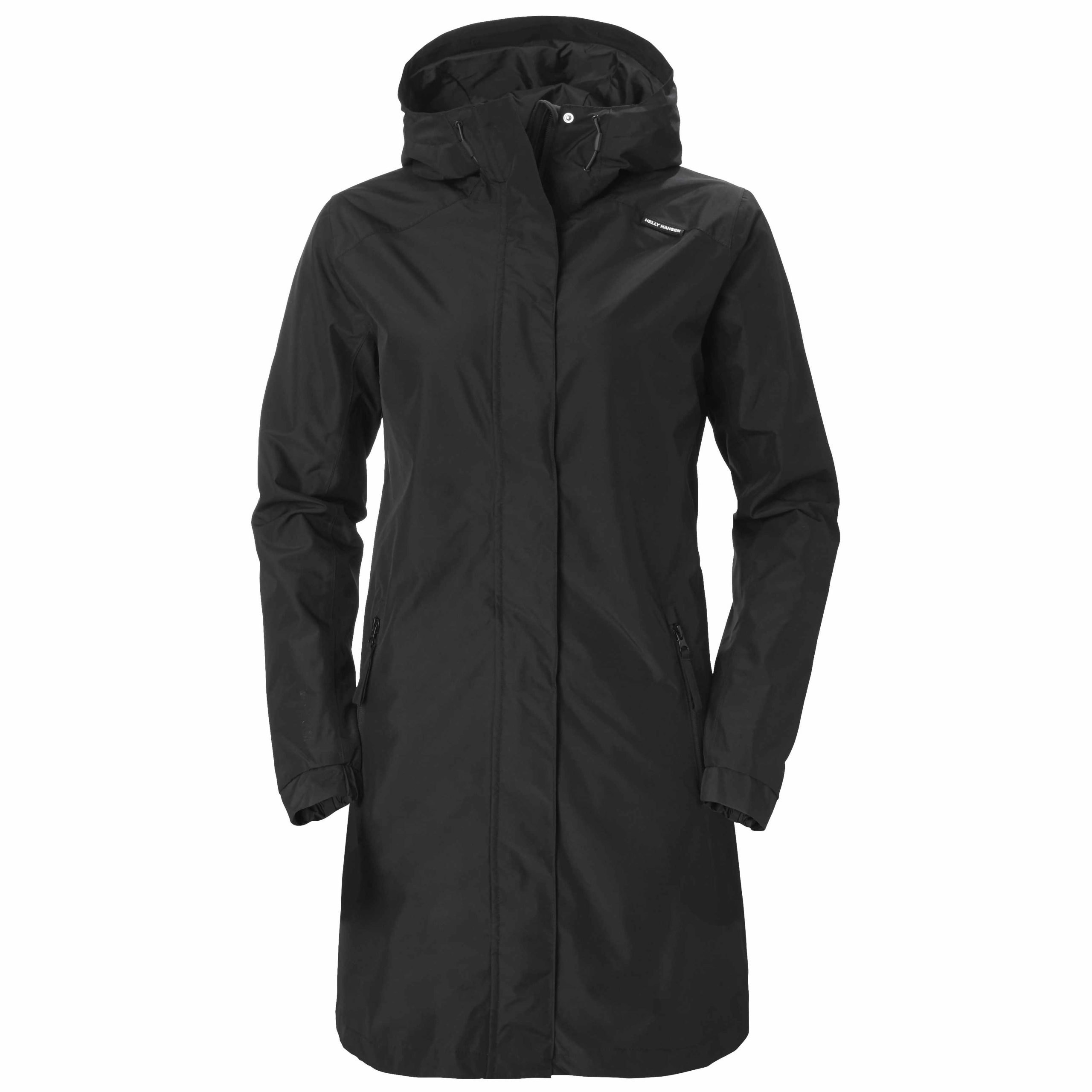
The clothing department showcases Second Life’s commitment to quality and organization through its thoughtfully curated selection and retail-inspired presentation. Unlike some thrift operations that present clothing in haphazard arrangements, Second Life maintains clear organization by size, gender, and garment type that respects shoppers’ time and enhances discovery. The merchandise selection reflects careful screening that prioritizes current styles, minimal wear, and brands representing good value while accommodating diverse size ranges, including an impressive plus-size selection often underrepresented in conventional retail. Seasonal rotation ensures appropriate offerings throughout the year, with timely shifts between summer wear and cold-weather necessities reflecting Indiana’s distinct seasonal needs. Special sections highlight professional attire suitable for job interviews and workplace environments, while occasional designer finds and vintage pieces create excitement for fashion-savvy treasure hunters. The department’s success stems from the donation evaluation process, where experienced volunteers assess items based on condition, current appeal, and appropriate pricing to maintain inventory that feels curated rather than merely accumulated.
The furniture and home goods department represents one of Second Life’s most distinctive strengths, offering substantial selection rarely matched by typical clothing-focused thrift operations. The diverse inventory encompasses everything from practical household essentials to statement furniture pieces, creating opportunities for budget-conscious home furnishing across various tastes and needs. Functional categories include dining sets, bedroom furniture, living room seating, occasional tables, and storage solutions in styles ranging from contemporary to traditional, accommodating diverse aesthetic preferences. Complementary home goods include kitchenware, small appliances, linens, decorative accessories, artwork, and lighting that allow comprehensive home outfitting beyond major furniture pieces. What distinguishes this department is the balance between affordability and quality standards, with careful assessment ensuring all pieces maintain structural integrity and functional condition despite being pre-owned. The department proves particularly valuable for those establishing first homes, furnishing temporary living situations, or seeking budget-friendly options for children’s rooms where perfect condition isn’t paramount.
The specialty departments encompass diverse merchandise categories that expand Second Life’s appeal beyond clothing and furniture, creating multiple reasons for regular visits. The seasonal section transitions through annual celebrations with appropriate decorations, dishware, and textiles for holidays ranging from Christmas and Easter to Halloween and Thanksgiving, allowing budget-friendly festive updates for homes and gatherings. The children’s department extends beyond clothing to include toys, books, baby equipment, and nursery items that address the rapid turnover needs of growing families. Craft and hobby sections feature gently used supplies that allow affordable exploration of new creative pursuits without significant investment in new materials. A dedicated gift section showcases new or like-new items suitable for present-giving, often including unopened merchandise from estate donations or retail overstock. The book department maintains organized selection across genres from fiction to cookbooks, while media sections offer movies, music, and games. These diverse specialty areas transform Second Life from single-purpose shopping destination into community resource addressing multiple household needs through affordable, sustainable reuse.
Donation Process
Second Life’s donation program represents the lifeblood of their operation, thoughtfully structured to maximize both donor convenience and merchandise quality through systematic processes that benefit all stakeholders. The accepting process balances generous inclusivity with necessary quality standards, welcoming most gently used household items while maintaining clear guidelines that prevent unusable donations that would create disposal costs. Convenient drop-off hours accommodate diverse schedules, with dedicated receiving areas designed for efficient unloading and initial sorting. The tax receipt system provides appropriate documentation for charitable contribution verification, while regular donor communication through newsletters and social media highlights specific current needs that guide contribution choices. Special arrangements for furniture and large item pickup serve donors unable to transport substantial pieces, creating win-win situations where donors receive removal assistance while the store acquires valuable large merchandise. This comprehensive approach transforms potential household discards into valuable resources supporting educational purposes, creating meaningful alternatives to landfill disposal while generating financial support for Crown Point Christian School.
Behind the scenes, Second Life’s detailed evaluation and processing system transforms raw donations into retail-ready merchandise through systematic assessment, cleaning, repair when feasible, and appropriate pricing. Trained volunteers and staff evaluate each item for condition, marketability, and appropriate categorization, applying consistent standards that maintain the store’s reputation for quality merchandise. Items meeting acceptance criteria receive necessary attention ranging from simple cleaning to minor repairs that enhance value without excessive processing costs. The pricing approach balances accessibility with reasonable value capture, typically offering significant discounts from comparable new items while recognizing quality differences between brands and conditions. This thoughtful processing creates triple-benefit outcomes where donors receive convenient disposal and tax advantages, shoppers access quality goods at significant savings, and the school receives maximized financial support from each donation. The system’s efficiency ensures rapid turnaround from donation to sales floor, maintaining fresh inventory while preventing backroom accumulation that could overwhelm processing capacity.
Volunteer Program
Second Life’s robust volunteer program forms the operational backbone of their successful model, creating meaningful engagement opportunities while maintaining affordable staffing that maximizes financial benefit for Crown Point Christian School. Unlike purely commercial operations with traditional employment structures, Second Life harnesses community goodwill through structured volunteer roles that accommodate diverse skills, availability, and physical capabilities. Opportunities range from customer-facing positions including cashiering and sales floor assistance to behind-the-scenes roles in donation processing, pricing, merchandising, and store maintenance. The scheduling system offers remarkable flexibility with options for regular weekly commitments, occasional participation, or special project involvement, allowing contributors to balance volunteer service with other responsibilities. Training programs ensure both consistency and quality, with experienced volunteers mentoring newcomers through well-developed protocols that maintain operational standards while creating supportive learning environments. This structured approach transforms well-intentioned helping into genuinely productive contributions that simultaneously benefit the store, the school, and the volunteers themselves.
Beyond operational necessity, Second Life’s volunteer program creates meaningful community benefits through multiple dimensions of engagement. For school parents, volunteering provides tangible ways to support their children’s education beyond financial contributions, creating ownership and connection to the broader school community. For retirees, the program offers purposeful activity, social connection, and opportunities to apply professional skills in retirement, addressing common challenges of post-career life transitions. For students, volunteer opportunities develop marketable skills, fulfill service requirements, and build résumé experience in retail, customer service, and nonprofit operations. For community members without direct school connections, volunteering creates meaningful ways to support educational values while building relationships outside usual social circles. The resulting volunteer community develops its own positive culture with friendships, celebration traditions, and mutual support that extends beyond store activities into participants’ broader lives. This multidimensional impact transforms what could be merely transactional labor into meaningful community building that strengthens Crown Point’s social fabric while supporting educational excellence.
Educational Mission
Second Life’s distinctive educational mission differentiates it from typical thrift operations through direct, transparent connection to Crown Point Christian School that infuses the entire enterprise with purpose beyond mere commerce. The store’s financial contributions support multiple dimensions of the school’s operations, including scholarship programs that make Christian education accessible across economic circumstances, facility improvements that enhance learning environments, educational technology that prepares students for contemporary challenges, and special programs beyond core curriculum. Unlike generic fundraising where supporters might question impact, Second Life creates visible, tangible results through specific projects and improvements directly attributable to store proceeds. This clear connection between shopping or donating and concrete educational outcomes strengthens supporter engagement while providing accountability for fund utilization. The store effectively functions as a sustainable funding source less vulnerable to economic fluctuations than traditional fundraising approaches, creating reliable revenue that enables long-term educational planning beyond immediate necessities.
Beyond financial support, Second Life creates numerous non-monetary benefits for Crown Point Christian School through integrated operations that enhance educational experiences. Students participate through classroom service projects preparing donations, art classes creating seasonal store displays, and musical groups performing during special events, connecting young people directly to the community support sustaining their education. The store provides real-world laboratory for business education, with older students learning retail operations, marketing principles, and nonprofit management through structured experiences that complement classroom learning with practical application. Parents develop deeper school engagement through volunteer participation that creates ownership beyond tuition payments, while community volunteers without direct school connections develop appreciation for the educational mission that builds broader support networks. These multidimensional connections transform Second Life from merely external funding source into integral component of the educational ecosystem, demonstrating how thoughtfully structured nonprofit enterprise can simultaneously generate financial resources while enhancing educational experiences through meaningful integration.
Payment Methods
Second Life accommodates diverse customer needs through flexible payment options that balance modern convenience with practical considerations appropriate for their nonprofit operational model. Traditional payment methods including cash transactions remain welcome and common, with efficient cash handling procedures ensuring accurate processing and appropriate security measures. All major credit and debit cards including Visa, MasterCard, Discover, and American Express are accepted through modern processing systems with reasonable minimum purchase requirements that balance transaction fees with customer convenience. Mobile payment options including Apple Pay and Google Pay provide contactless alternatives increasingly preferred by younger shoppers and those concerned with hygiene considerations. The store maintains thoughtful policies regarding personal checks, typically accepting them from established customers with appropriate identification while maintaining reasonable limits that protect against potential losses. For substantial furniture purchases, the store offers short-term hold policies allowing payment completion within specified timeframes while merchandise remains secured. Special arrangements including layaway options for larger purchases accommodate customers with limited immediate funds but genuine need for specific items, particularly in cases involving families facing temporary financial challenges.
Access and Accessibility
Second Life’s commitment to community service extends to thoughtful accessibility considerations that accommodate diverse physical needs throughout the shopping experience. The store’s North Main Street location offers convenient access with dedicated parking including appropriate accessible spaces near the entrance. The single-level layout eliminates navigation barriers for those using mobility devices or having difficulty with stairs, while wide, uncluttered aisles provide comfortable passage throughout all departments. The clothing section includes accessible fitting rooms with sufficient space for mobility devices and appropriate seating for those requiring rest during the trying-on process. Checkout counters include sections at accessible heights, accommodating both standing and seated customers comfortably. Staff and volunteers receive basic training on assisting customers with disabilities, including appropriate interaction approaches and practical assistance techniques that respect autonomy while providing genuine help when requested. These physical accommodations create welcoming shopping environments for all community members regardless of mobility limitations or other physical considerations.
Environmental Impact
Second Life’s resale model inherently supports environmental sustainability through resource conservation and waste reduction that extend well beyond their educational fundraising mission. By facilitating material reuse across multiple product categories, the store diverts substantial volumes from landfills and incinerators, extending useful lifespans of everything from clothing to furniture that might otherwise be discarded despite remaining functionality. This waste reduction impact proves particularly significant for bulky items including sofas, dining sets, and bookshelves that consume substantial landfill space and decompose slowly. The environmental benefits extend upstream through reduced demand for new manufacturing, indirectly conserving raw materials, energy, and water while minimizing pollution associated with production processes. For clothing specifically, the reuse model addresses growing concerns regarding fast fashion’s environmental consequences, providing alternative consumption models that reduce textile waste while allowing affordable wardrobe variety without environmental compromise.
Beyond the inherent sustainability of their core resale model, Second Life demonstrates environmental responsibility through operational practices that minimize their direct ecological footprint. Responsible handling of non-saleable donations prevents merely shifting waste elsewhere, with careful sorting identifying items appropriate for material recycling, specialized donation to other organizations with different acceptance criteria, or environmentally appropriate disposal when genuinely unusable. Energy efficiency measures including LED lighting, programmable thermostats, and conscientious equipment maintenance reduce operational resource consumption. Packaging approaches emphasize reused bags and boxes whenever possible, with minimal new packaging materials purchased. These environmental considerations reflect understanding that genuine sustainability requires comprehensive approaches beyond single-dimension efforts. While economic necessity and educational support remain primary motivations for many shoppers and donors, the environmental benefits represent increasingly significant secondary value for growing segments of environmentally conscious consumers seeking consumption alternatives aligned with their ecological values.
Community Events
Second Life extends their community engagement beyond everyday operations through special events that create distinctive shopping experiences while building awareness and support for their educational mission. Seasonal sales transform routine thrift shopping into celebration opportunities through themed promotions, refreshments, extended hours, and special merchandise unveiled specifically for these occasions. Holiday open houses featuring festive environments, refreshments, and first access to seasonal decorations have become particularly anticipated community traditions, while back-to-school events highlight affordable clothing options for growing children. The store’s anniversary celebrations each year mark their continued service with appreciation activities for donors, volunteers, and customers who have supported their journey. Special discount days including senior appreciation events create both community goodwill and targeted promotional opportunities that introduce new audiences to the store’s offerings. These recurring events build rhythms of engagement that encourage regular participation while creating memorable shopping experiences that differentiate Second Life from both conventional retail and typical thrift operations.
Beyond sales-focused events, Second Life hosts educational programming that extends their impact into broader community service aligned with their values. Workshops featuring upcycling techniques, furniture refinishing basics, and creative reuse inspire sustainable practices while building skills that further extend resource lifespans. Financial stewardship seminars address budgeting, smart shopping strategies, and affordable homemaking techniques that support holistic family wellbeing beyond mere consumption. Collaboration events with Crown Point Christian School create natural integration opportunities, including student performances, art displays, and presentations that showcase the educational excellence supported through store proceeds. Community appreciation events specifically honoring volunteers, significant donors, and loyal customers build relationship beyond transactional interactions. These diverse events transform the store from merely commercial space into genuine community gathering place where shared values find expression through both commerce and connection. The resulting community engagement creates resilient support networks that sustain the operation through both prosperous and challenging periods while continually expanding their positive impact beyond immediate fundraising objectives.