About the Shop
Polkadots Consignment Shop stands as a vibrant cornerstone in the second-hand retail landscape of New York’s Capital Region. Located at 10 New Karner Road in Guilderland, this well-established consignment destination has earned a solid 4.2-star rating from dozens of satisfied customers who appreciate its dual focus on providing quality pre-owned merchandise while offering convenient selling options for community members looking to declutter and earn cash from their gently used possessions. Unlike traditional thrift stores or purely profit-driven resale operations, Polkadots has developed a sophisticated business model that balances customer experience on both the buying and selling sides of the equation, creating a circular retail environment that benefits all participants while extending the useful life of quality goods.
What distinguishes Polkadots from other second-hand retailers is its exceptionally streamlined and transparent selling process, designed to eliminate the frustration and uncertainty often associated with consignment. The shop has developed clear, customer-friendly procedures that make selling unwanted items remarkably straightforward, with options for immediate cash payment or consignment arrangements depending on the merchandise category and customer preference. This systematic approach reflects years of industry experience and thoughtful business development, resulting in processes that respect sellers’ time while maintaining the quality standards necessary for retail success. By removing common barriers to consignment participation, Polkadots has cultivated a steady stream of desirable merchandise that keeps its inventory fresh and appealing, creating a positive feedback loop that benefits both the business and its community.
Beyond its commercial operations, Polkadots demonstrates a genuine commitment to community service through integrated donation programs that extend its positive impact beyond purely economic transactions. Sellers have the convenient option to donate any items not selected for purchase or consignment, with the shop facilitating distribution to local charitable organizations. This thoughtful approach transforms potential disappointment over rejected items into an opportunity for community contribution, while simultaneously streamlining the selling process for customers who might otherwise need to reclaim and dispose of unwanted goods. By incorporating this charitable dimension into its standard business practices, Polkadots positions itself as more than simply a retail establishment—it functions as a community resource that facilitates the responsible redistribution of useful goods while providing economic benefits to participants at every stage of the process.
Merchandise and Services:
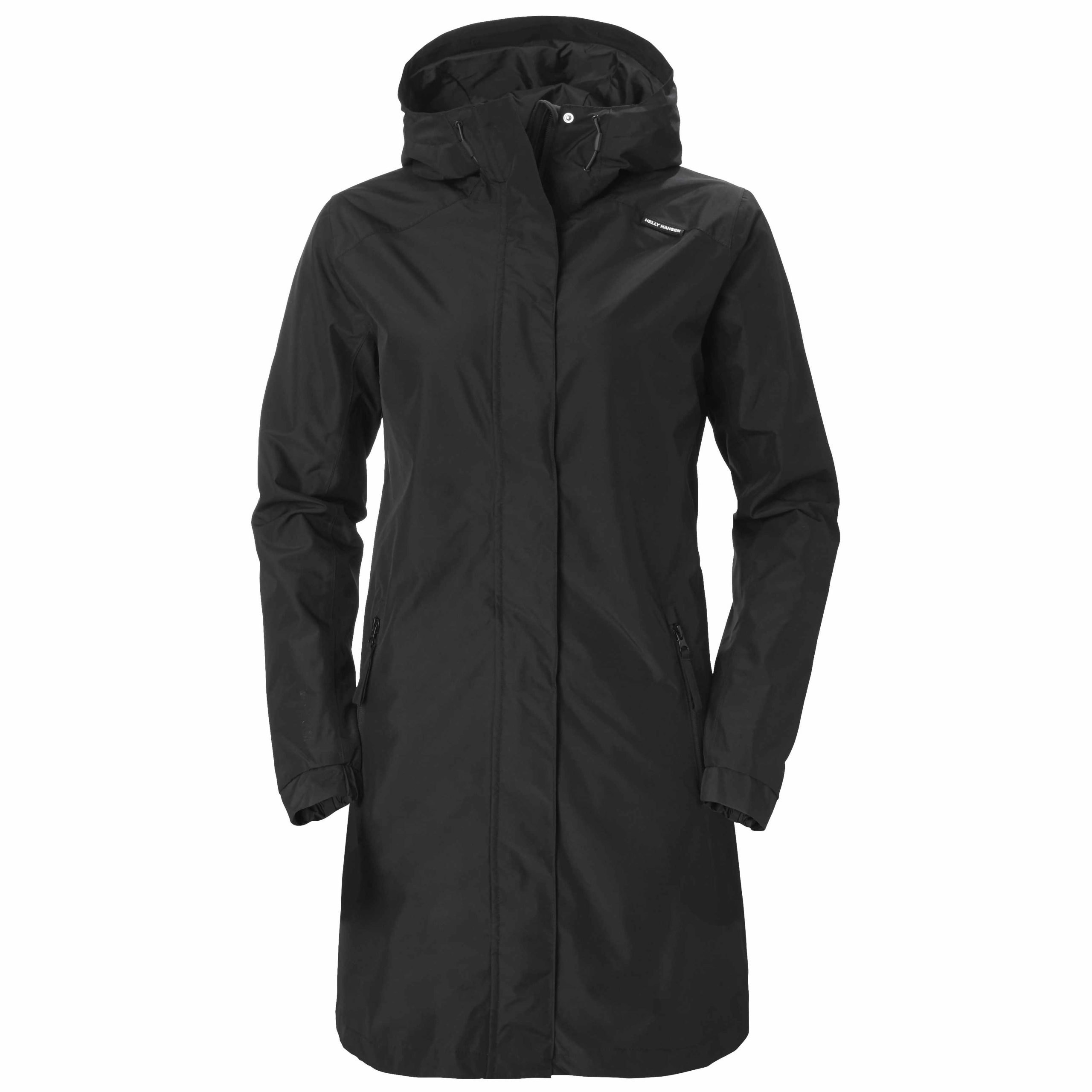
Polkadots Consignment Shop maintains a diverse merchandise selection that spans multiple categories of gently used goods, with particular emphasis on quality clothing brands and designer items in excellent to new condition. The carefully curated apparel department features women’s fashions across various style categories, sizes, and price points, unified by the shop’s stringent quality standards rather than narrow aesthetic parameters. This approach creates a treasure-hunting shopping experience where customers can discover everything from everyday casual wear to special occasion outfits, all at significant discounts compared to original retail prices. The shop’s merchandise buyers demonstrate exceptional knowledge of brand values and current market demand, enabling them to make fair offers to sellers while ensuring saleable inventory that appeals to their customer base. Regular inventory turnover keeps the selection fresh and relevant, encouraging frequent visits from bargain-hunting fashion enthusiasts seeking unique finds.
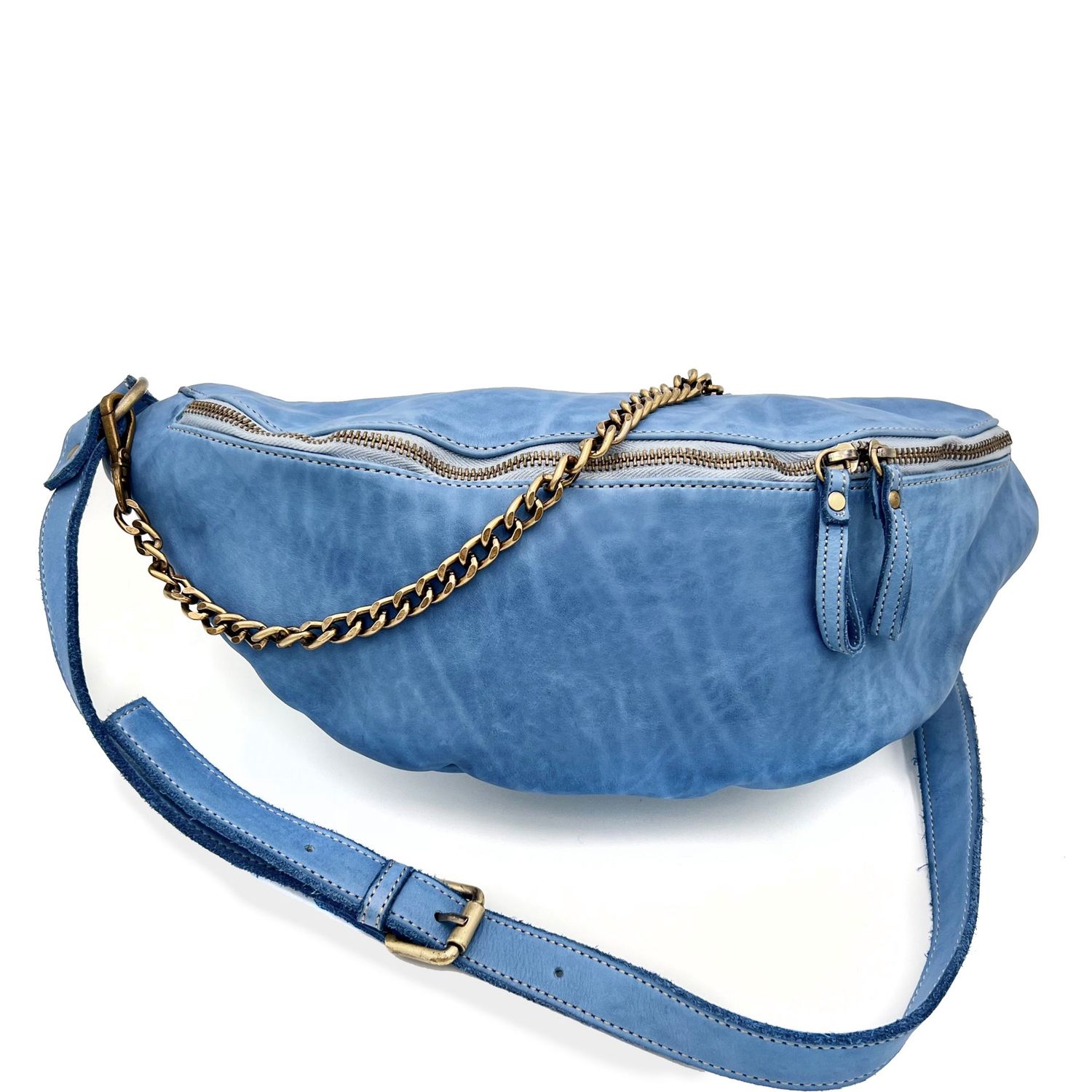
Beyond clothing, Polkadots offers an array of non-apparel merchandise that broadens its appeal and provides additional options for consignment clients. Home accessories, decorative items, small furniture pieces, jewelry, handbags, and seasonal decor regularly appear among the shop’s offerings, creating a varied shopping environment that rewards exploration. These non-clothing categories often operate under the traditional consignment model rather than direct purchase, allowing sellers to potentially realize greater returns while giving the shop flexibility in pricing and promotion. Complementing the physical merchandise, Polkadots provides comprehensive selling services with two distinct tracks: “Fast Cash” for immediate payment (especially for clothing) and consignment arrangements primarily for non-apparel items where sellers receive a percentage of the eventual sale price. This dual approach accommodates different seller priorities, whether they value immediate returns or are willing to wait for potentially larger payouts through the consignment process.
Selling Process and Policies
Polkadots has developed an exceptionally well-defined selling process that balances efficiency for the business with convenience for clients looking to monetize unwanted items. The shop’s “Walk-in Weekdays” program represents a particularly customer-friendly innovation, eliminating the need for appointments during regular weekday business hours and reducing barriers to participation. This streamlined approach begins with clear preparation instructions: sellers are directed to properly prepare their items by cleaning them thoroughly, ensuring all functional elements work properly, and organizing clothing in a specific manner (zipped, buttoned, laid flat, folded once, and placed in clean containers rather than bags). These detailed guidelines serve multiple purposes—they respect the shop’s staff by providing properly presented merchandise for evaluation, maintain quality standards that protect the business’s reputation, and increase the likelihood that items will be accepted, benefiting the seller. By establishing these expectations upfront, Polkadots creates a more efficient and pleasant experience for everyone involved in the transaction.
Transparency regarding acceptance criteria represents another significant strength of Polkadots’ business model, with detailed information provided about condition standards and brand preferences. The shop maintains and publicizes specific guidelines about acceptable brands, effectively managing seller expectations while ensuring inventory aligns with customer demand. Similarly, condition requirements are clearly communicated, with emphasis on “excellent to new” merchandise free from damage, excessive wear, or outdated styling. This transparency serves several important functions: it prevents wasted effort by sellers whose items don’t meet criteria, maintains consistent quality standards that buyers have come to expect, and streamlines the evaluation process by reducing submissions of unsuitable merchandise. When items are accepted, the shop offers straightforward compensation options—immediate “Fast Cash” payment with no waiting period or seasonal restrictions for clothing and most accessories, or traditional consignment arrangements primarily for non-clothing items where sellers receive a percentage of the eventual sale price. This dual approach accommodates different seller priorities, whether they value immediate returns or are willing to wait for potentially larger payouts through the consignment process.
Shopping Experience
For shoppers, Polkadots offers a retail environment that balances the thrill of discovery inherent in second-hand shopping with the organization and reliability typically associated with conventional retail. Unlike some consignment or thrift operations where merchandise presentation may feel haphazard or overwhelming, Polkadots maintains thoughtful organization that facilitates efficient browsing while still encouraging the “treasure hunt” experience that motivates many second-hand shoppers. Items are typically arranged by category, size, and sometimes color or style, creating intuitive shopping sections that respect customers’ time while still providing the element of surprise when unexpected gems appear among the racks. The shop’s selective acceptance policies ensure that all merchandise meets minimum quality standards, eliminating the need for customers to sort through damaged or excessively worn items to find acceptable pieces. This curated approach creates a more pleasant shopping experience that appeals to a broader customer base, including those who might avoid less discriminating second-hand establishments.
The fundamental value proposition for Polkadots’ shopping clientele centers around access to quality brand-name and designer merchandise at significant discounts from original retail prices. By maintaining strict standards for condition and limiting accepted brands to those with recognized value, the shop creates reliable value for customers seeking quality without premium pricing. This approach particularly appeals to fashion-conscious shoppers with budget constraints, those with environmental or ethical concerns about fast fashion consumption, and bargain hunters who appreciate quality craftsmanship regardless of an item’s new or pre-owned status. The shop’s regular inventory turnover ensures fresh merchandise appears frequently, rewarding repeat visits and creating a sense of urgency that encourages purchase decisions when desirable items are discovered. For sellers actively bringing in merchandise, the shop thoughtfully suggests browsing while items are being evaluated, creating a natural opportunity to transform selling visits into purchasing opportunities as well, effectively connecting both sides of the business model in a single customer interaction.
Community Connection and Impact
Polkadots Consignment Shop delivers significant environmental benefits to its community through business practices that naturally align with sustainability principles. By facilitating the reuse of quality consumer goods, the shop extends product lifecycles and reduces demand for new manufacturing, resulting in practical resource conservation, waste reduction, and lowered carbon emissions without requiring customers to prioritize environmental concerns over financial or practical considerations. Each transaction diverts usable items from potential landfill destinations, with even rejected merchandise finding new purpose through the shop’s donation programs rather than being discarded. This environmental impact scales with business volume, meaning the shop’s commercial success directly correlates with increased sustainability benefits. While Polkadots may not explicitly market itself as an environmentally focused business, its fundamental consignment model inherently supports circular economy principles that maximize the utility of existing goods before new resources are extracted and processed for manufacturing, making sustainable consumption accessible to mainstream consumers regardless of their primary shopping motivations.
The shop’s business model creates significant economic accessibility benefits within its community by serving financial needs across the economic spectrum. For sellers, Polkadots provides a legitimate, convenient avenue to convert unwanted possessions into cash or store credit, offering financial recapture opportunities particularly valuable during economic downturns or personal financial challenges. These selling opportunities benefit diverse community members from those downsizing homes to parents with growing children who have outgrown clothing and toys. Simultaneously, buyers gain access to quality merchandise at substantial discounts from original retail prices, making brand-name and designer items accessible to consumers with limited discretionary income who might otherwise be priced out of these markets. This democratization of access to quality goods creates practical value for budget-conscious families, young professionals establishing households, and anyone seeking to maximize purchasing power without sacrificing quality. By operating at this intersection of buying and selling needs, Polkadots creates an economically beneficial exchange system that serves varied community members while maintaining a sustainable business model.
Donation Programs and Partnerships
Polkadots demonstrates exemplary corporate citizenship through its integrated donation program that transforms a potential pain point in the selling process—rejected items—into an opportunity for community contribution. When sellers bring merchandise that doesn’t meet the shop’s criteria for purchase or consignment, they face a potentially frustrating decision about whether to reclaim these items or dispose of them. Polkadots solves this dilemma by offering a convenient donation option, accepting these items on behalf of sellers and facilitating their distribution to appropriate charitable organizations. This thoughtfully designed process requires minimal additional effort from shop staff while providing significant value to sellers relieved of the burden of reclaiming rejected items. The program is presented as an opt-in service rather than an automatic process, respecting seller ownership while gently encouraging participation through convenience and community benefit. By integrating this donation pathway into standard operations, Polkadots transforms what could be a disappointment (item rejection) into a positive outcome for all parties involved.
The effectiveness of Polkadots’ donation program depends on strategic partnerships with local charitable organizations equipped to utilize or distribute the donated goods. While specific partner organizations aren’t named in available materials, the shop clearly maintains relationships with appropriate recipients for different merchandise categories, ensuring donations reach community members who can benefit from them. These partnerships likely include organizations serving populations with specific needs—clothing donations might support job training programs providing interview attire for employment seekers or organizations assisting families facing financial hardship, while household items could benefit agencies helping individuals transition from homelessness to stable housing or supporting refugees establishing new homes. By thoughtfully matching donations with appropriate recipients, Polkadots maximizes the community impact of these goods while supporting the missions of partner organizations. These relationships represent a sophisticated approach to corporate social responsibility that extends beyond simple charitable giving to create systemic benefits through thoughtful resource redistribution, demonstrating how retail businesses can integrate community support directly into their operational models.
Business Operations and Efficiency
Polkadots’ business success stems largely from carefully developed operational systems that maximize efficiency while maintaining quality standards essential for retail viability. The shop’s detailed instructions for item preparation represent a perfect example of this systematic approach—by directing sellers to properly organize, clean, and present their merchandise in specific ways (clothing zipped/buttoned, folded uniformly, presented in bins rather than bags), the shop streamlines the evaluation process while reducing handling time and potential damage. Similarly, the quantity limitations (one 18-gallon bin of clothing per day) allow staff to provide thorough attention to each seller’s items without becoming overwhelmed during busy periods. The differentiated weekday versus weekend policies—accepting all items including clothing Monday through Friday but excluding clothing on Saturdays—demonstrates thoughtful workload management that accommodates weekend traffic patterns while maintaining service quality. These highly specific procedures reflect sophisticated operations planning that balances customer convenience with business sustainability, resulting in a smoothly functioning enterprise despite the inherently unpredictable nature of consignment inventory.
The dual-track business model offering both immediate purchase (“Fast Cash”) and traditional consignment options demonstrates Polkadots’ market-responsive approach to second-hand retail. By providing immediate payment for clothing items, the shop removes a significant barrier to participation—the waiting period typically associated with consignment—while maintaining greater inventory control over these high-turnover categories. For non-clothing items where market value may be higher or more variable, the traditional consignment arrangement sharing proceeds with the original owner allows the business to offer these goods without significant upfront investment while potentially providing sellers higher returns. This differentiated approach reflects sophisticated understanding of merchandise category dynamics, cash flow management, and customer preferences. The shop’s regular business hours (9:30 AM to 5:30 PM Monday through Friday and 11:00 AM to 4:00 PM on Saturdays) provide predictable access for both buyers and sellers, with extended weekday hours accommodating after-work visits. By closing on Sundays, the business creates necessary operational downtime for inventory management, store resets, and staff recovery, ensuring sustainable operations without burnout.
Market Position and Differentiation
Within the broader landscape of second-hand retail, Polkadots occupies a distinctive middle-market position that differentiates it from both high-end luxury consignment boutiques and less selective thrift operations. Unlike exclusive consignment shops that might accept only premium designer labels in pristine condition, Polkadots maintains quality standards while embracing a broader range of acceptable brands, creating inventory diversity that appeals to various consumer segments. Simultaneously, the shop’s selective acceptance criteria and quality requirements distinguish it from donation-based thrift stores where merchandise condition and brand value vary dramatically. This carefully calibrated market position allows Polkadots to serve a broad customer base seeking quality merchandise at accessible price points without limiting itself to either luxury or bargain-basement extremes. Within the Capital Region specifically, this positioning creates a valuable retail niche that complements rather than directly competes with either high-end consignment boutiques or charitable thrift operations, contributing to a healthy second-hand ecosystem that serves diverse consumer needs while collectively extending product lifecycles.
Polkadots’ most significant competitive differentiation lies in its seller-friendly processes that transform the typically cumbersome consignment experience into a streamlined, transparent interaction. The “Walk-in Weekdays” program eliminating appointment requirements represents a particularly valuable innovation in an industry where appointment scheduling often creates barriers to participation. The clear, detailed guidelines about acceptable items, preparation requirements, and compensation expectations set realistic seller expectations while reducing time wasted on unsuitable merchandise. The option for immediate payment rather than traditional consignment wait periods particularly appeals to sellers prioritizing convenience and certainty over maximizing returns. These seller-focused improvements, combined with the integrated donation option for rejected items, create a distinctly positive selling experience that encourages repeat participation and word-of-mouth referrals. By solving common pain points in the consignment process, Polkadots has developed a sustainable competitive advantage that ensures consistent inventory acquisition—the lifeblood of any second-hand retail operation—while building a reputation for seller-friendly policies that distinguish it from less systematized competitors.
Future Trends and Evolution
Polkadots operates within a second-hand retail sector experiencing significant growth driven by converging economic, environmental, and social trends that suggest continued expansion rather than cyclical fluctuation. Economic factors including inflation pressures, income inequality, and budget consciousness across demographic groups create sustained demand for quality goods at reduced prices. Environmental awareness continues driving consumer interest in extended product lifecycles and reduced waste, with second-hand purchasing increasingly viewed as an accessible sustainability practice. Social media and influencer culture have dramatically destigmatized “pre-loved” fashion, with younger consumers particularly embracing vintage and second-hand finds as expressions of individual style rather than financial necessity. These concurrent trends suggest Polkadots and similar operations are positioned within a growth industry rather than a niche market, with potential for continued customer base expansion as second-hand shopping normalizes across consumer segments. Industry projections consistently indicate second-hand retail growing significantly faster than traditional retail over the coming decade, creating opportunities for established operations like Polkadots to capitalize on broader market acceptance.
To maintain relevance amid evolving consumer expectations, Polkadots may consider strategic adaptations that build upon its established operational strengths while embracing emerging retail technologies and practices. Expanded digital engagement represents a natural evolution, potentially including enhanced social media presence showcasing new inventory, online selling options for select merchandise categories, or digital systems streamlining the consignment process through online registration and tracking. Sustainability messaging could become more explicit, highlighting the environmental benefits inherent in the shop’s business model to attract eco-conscious consumers without alienating value-focused customers. Category expansion into growing second-hand segments like children’s items, specialized sports equipment, or sustainable home goods could diversify revenue streams while serving emerging consumer needs. Educational content around capsule wardrobes, quality assessment, and sustainable fashion could enhance customer loyalty while positioning the shop as a resource beyond transactions. These potential adaptations would maintain the core business model while gradually evolving to meet changing consumer preferences and capitalize on growing interest in circular economy concepts, ensuring continued relevance in an increasingly sustainability-focused retail landscape.